

As a beret supplier deeply entrenched in the world of headwear, I often find myself contemplating the suitability of berets for different seasons. Today, I want to delve into the question: Are berets suitable for winter?
Understanding the Beret
Before we explore the winter suitability, let's take a moment to understand what a beret is. A beret is a soft, round, flat-crowned hat that has a rich history. Originating in the Basque region straddling the border between France and Spain, berets have evolved from being a practical accessory for shepherds and fishermen to a fashion statement worn by people around the globe.
The Material Factor
One of the key determinants of a beret's winter suitability is the material it's made from. Berets can be crafted from a variety of materials, each with its own set of properties.
Wool Berets
Wool is a classic choice for winter berets. It's a natural fiber that offers excellent insulation. Wool fibers have tiny air pockets that trap heat, keeping your head warm in cold weather. Additionally, wool is breathable, which means it can wick away moisture from your scalp. In winter, when you might be sweating from physical activity or from being indoors in a heated environment, this moisture-wicking property is crucial. It helps prevent your head from feeling damp and cold, which can be uncomfortable and potentially lead to health issues.
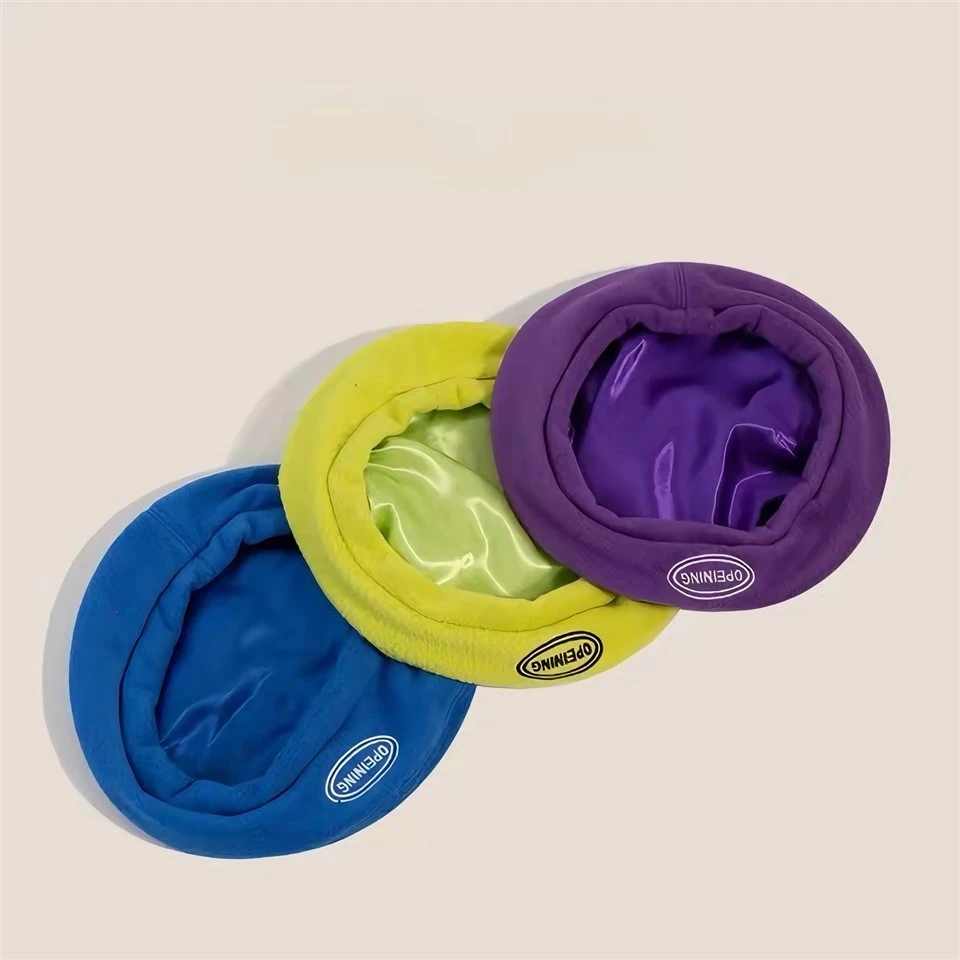
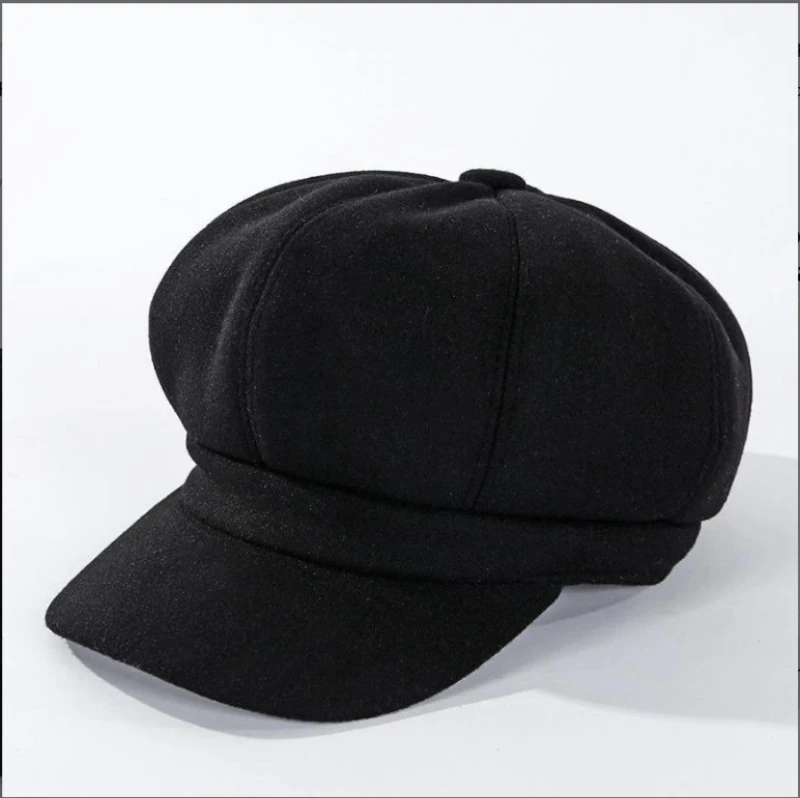
Our Plain Beret in wool is a great example of a winter-friendly option. It comes in a range of colors, allowing you to choose one that suits your personal style. Whether you prefer a classic black, a neutral beige, or a bold red, there's a wool plain beret for you.
Felt Berets
Felt is another material commonly used for berets. It's often made from wool or a blend of wool and other fibers. Felt berets are known for their durability and shape retention. They can provide good insulation in winter, especially if they are thick and well-made. The felted construction creates a dense fabric that helps to keep the cold out.
Felt berets also have a certain aesthetic appeal. They can give a more polished and sophisticated look compared to some other materials. Our Classic Beret Hats For Women in felt are designed with a timeless style in mind. They are perfect for adding a touch of elegance to your winter wardrobe.
Synthetic Material Berets
Some berets are made from synthetic materials such as acrylic or polyester. These materials can be more affordable and may offer some level of warmth. However, they generally don't have the same natural insulating properties as wool or felt. Synthetic materials may not be as breathable, which can lead to a stuffy feeling on your head. But they can still be a viable option if you're looking for a budget-friendly or lightweight beret for milder winter days.
Style and Functionality in Winter
Beyond the material, the style of a beret can also contribute to its winter suitability. Berets come in different shapes and sizes, and some are better suited for cold weather than others.
The Traditional Beret Shape
The classic beret shape with its flat crown and sloping sides provides good coverage for your head and ears. This helps to protect these sensitive areas from the cold wind. You can pull the beret down a bit over your ears for added warmth, similar to how you would with a winter hat.
Beret Accessories
In winter, you can enhance the functionality of your beret by adding accessories. For example, you can attach a pom-pom or a fur trim to the top of the beret. Not only does this add a stylish touch, but it can also provide some extra warmth. You can also wear a beret with a scarf or a neck warmer. The combination of these accessories creates a layered look that helps to keep you cozy from head to neck.
Practical Considerations
When it comes to wearing berets in winter, there are a few practical considerations to keep in mind.
Moisture Resistance
In areas where it snows or rains in winter, you'll want a beret that can withstand moisture. Wool and felt berets have some natural water resistance, but they may not be completely waterproof. If you expect to be out in wet conditions, you might want to consider treating your beret with a water-repellent spray. This can help to keep it dry and prevent it from getting damaged.
Compatibility with Other Winter Gear
Your beret should be compatible with other winter gear you wear, such as coats and gloves. You want to create a cohesive look that is both stylish and functional. For example, if you're wearing a bulky winter coat, a larger beret might balance out the look. If you're wearing a more streamlined coat, a smaller, more understated beret could be a better choice.
Market Trends and Customer Preferences
In recent years, there has been a growing trend of wearing berets in winter. Customers are increasingly looking for stylish yet practical headwear options that can keep them warm. Our sales data shows that the demand for wool and felt berets spikes during the winter months. Customers appreciate the quality and warmth that these materials offer.
We also notice that customers are interested in unique and trendy beret designs. They want something that stands out from the crowd while still being suitable for winter. That's why we're constantly working on developing new styles and colors to meet these demands.
Conclusion
So, are berets suitable for winter? The answer is a resounding yes. With the right material, style, and practical considerations, berets can be a great addition to your winter wardrobe. Whether you're looking for a classic wool beret, a stylish felt beret, or a budget-friendly synthetic beret, there's an option for you.
As a Beret Manufacturers, we're committed to providing high-quality berets that are both fashionable and functional. If you're interested in purchasing berets for your retail store or personal use, we'd love to hear from you. Contact us to discuss your requirements and explore our range of winter berets.
References
- "The History of the Beret" - Fashion History Museum
- "Materials for Winter Headwear" - Textile Research Journal
- "Styling Tips for Winter Hats" - Vogue Magazine