

Yo, what's up everyone! I'm a supplier of Plain Berets, and today I wanna chat about a question that I get a lot: Are Plain Berets waterproof?
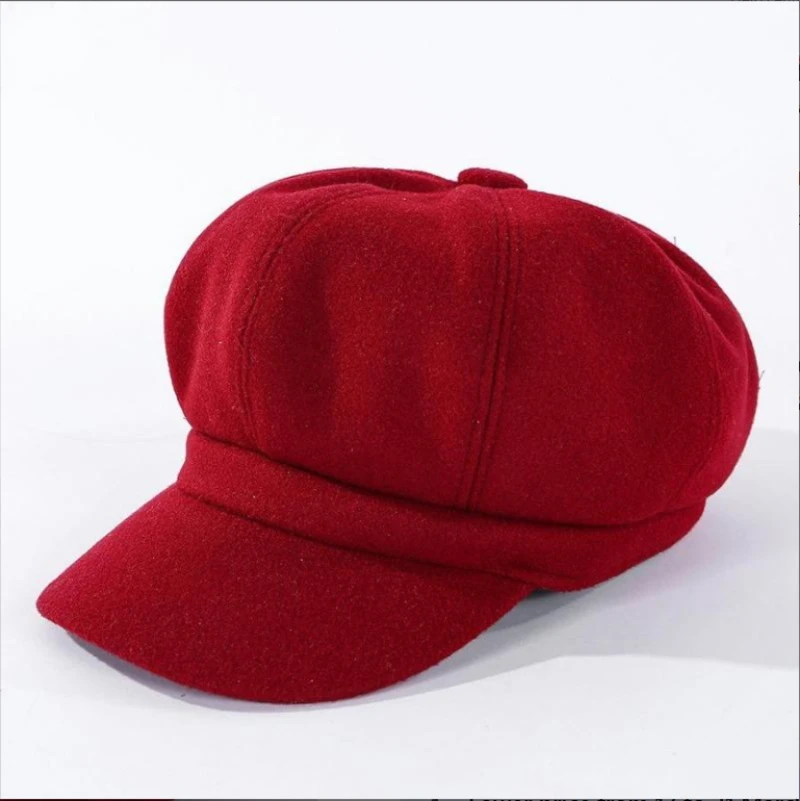
Let's start by understanding what a plain beret is. It's a simple, round, flat-crowned hat that's been around for ages. Berets have a super cool history, and they've been worn by all sorts of people, from soldiers to artists. They're stylish, comfortable, and can add a touch of flair to any outfit. Whether you're a woman looking for a Soft Beret Style Hat Women's or just into the Beret Hat Fashion Women, plain berets are a great choice.
Now, let's dig into the waterproof thing. The short answer is, it depends. Plain berets can be made from a variety of materials, and each material has its own properties when it comes to water resistance.
Materials and Their Waterproofness
Wool Berets
Wool is one of the most common materials for berets. It's a natural fiber that has some interesting properties. Wool has tiny scales on its fibers, and these scales can help repel water to a certain extent. When it starts to drizzle, a wool beret can keep your head dry for a little while. The tight weave of wool also helps to prevent water from seeping through quickly.
However, wool is not completely waterproof. If you're out in heavy rain for a long time, the wool will eventually soak up water. Once it gets saturated, it can become heavy and lose its shape. And if you don't dry it properly, it can start to smell funky. So, while a wool beret can give you some protection in light rain, it's not the best option for a downpour.
Cotton Berets
Cotton is another popular material for berets. It's soft, breathable, and comfortable to wear. But when it comes to water, cotton is not a great choice. Cotton fibers absorb water like a sponge. As soon as it starts to rain, a cotton beret will get wet right away. It won't take long for it to become heavy and soggy.
And here's the thing about wet cotton. It can take a long time to dry, especially if the weather is cool and humid. Plus, wet cotton against your skin can be really uncomfortable. So, if you're expecting rain, you might want to leave your cotton beret at home.
Synthetic Material Berets
There are also berets made from synthetic materials like polyester or nylon. These materials can be treated to be water-resistant. Some synthetic berets have a special coating that helps to repel water. They can provide better protection in wet weather compared to wool or cotton berets.
Synthetic berets dry much faster than natural fiber berets. Even if they get wet, they'll be back to normal in no time. And they're usually more durable and can withstand more wear and tear. However, they might not have the same natural look and feel as wool or cotton berets.
Waterproofing Treatments
If you have a beret that's not very waterproof, you can try using a waterproofing treatment. There are lots of products available in the market that can help make your beret more water-resistant. These treatments work by creating a thin layer on the surface of the beret that repels water.
Before applying a waterproofing treatment, make sure your beret is clean and dry. Follow the instructions on the product carefully. Usually, you just need to spray or brush the treatment onto the beret and let it dry. Keep in mind that these treatments won't make your beret completely waterproof, but they can definitely improve its water resistance.

When to Wear a Plain Beret in the Rain
So, when is it okay to wear a plain beret in the rain? If it's just a light drizzle and you're only going to be out for a short time, a wool or a treated synthetic beret can work. You can still look stylish and keep your head mostly dry.
But if you know it's going to be a heavy rain or you'll be outside for a long time, it's better to choose a waterproof hat like a rain hat or an umbrella hat. You don't want your precious beret to get ruined.
Our Wholesale Berets
As a supplier, I offer a wide range of plain berets. Whether you're a retailer looking for Wholesale Beret or an individual who wants to add some berets to your collection, we've got you covered.
We have berets in different materials, colors, and styles. You can choose from classic wool berets, trendy cotton berets, or high-tech synthetic berets. And if you have any special requirements, we can work with you to create custom berets.
If you're interested in our products, don't hesitate to reach out. We're always happy to have a chat about your needs and see how we can work together. Whether you're a small boutique or a large fashion brand, we can offer you competitive prices and high-quality berets.
In conclusion, plain berets can offer some protection in light rain, but they're not completely waterproof. The material of the beret plays a big role in its water resistance. If you want to wear a beret in the rain, choose the right material or use a waterproofing treatment. And if you're in the market for some great berets, check out our Wholesale Beret options.
Let's start a conversation and see how we can bring some stylish berets to your customers or your wardrobe. Looking forward to hearing from you!
References
- Textile Institute. “Properties of Natural and Synthetic Fibers.”
- Fashion Industry Journal. “Materials Used in Hat Making.”