

Superstitions have long been a part of human culture, influencing our beliefs, decisions, and even our perception of everyday objects. In the world of fashion, various items have been associated with superstitions, from lucky socks to charm - adorned jewelry. But what about low crown caps? As a supplier of low crown caps, I've often wondered if there are any superstitions tied to these stylish headpieces.
The Origins of Superstitions in Fashion
Before delving into low crown caps specifically, it's important to understand the general concept of fashion - related superstitions. These beliefs often stem from cultural, historical, or religious backgrounds. For example, in some cultures, wearing red is considered lucky, as it symbolizes good fortune and prosperity. In the realm of hats, certain styles may have been associated with social status or protection in the past, leading to the development of superstitions.
Hats have been used throughout history for various purposes, including protection from the elements, as a symbol of authority, or as a fashion statement. In ancient times, warriors wore helmets for protection in battle, and over time, different hat styles evolved. Some hats were reserved for the upper classes, while others were worn by laborers. These social and historical associations could have contributed to the development of superstitions.
Low Crown Caps: A Fashionable Staple
Low crown caps have gained popularity in recent years, becoming a staple in many wardrobes. Their sleek and modern design makes them suitable for a variety of occasions, from casual outings to sports events. There are different types of low crown caps available, such as the Plain Baseball Cap, Flat Low Crown Cap, and Low Crown Unstructured Hats.
The low crown design gives these caps a more laid - back and contemporary look compared to traditional high - crown caps. They are often made from a variety of materials, including cotton, polyester, and wool, offering different levels of comfort and durability.
Searching for Superstitions
Despite extensive research, I've found that there are relatively few well - known superstitions directly associated with low crown caps. However, we can draw some parallels from general hat - related superstitions.
In some cultures, it is considered bad luck to wear a hat indoors. This belief may have originated from the idea that hats were used for protection outdoors and wearing them inside could bring in negative energy or disrupt the harmony of the home. While this is not specific to low crown caps, it could potentially apply to them as well.
Another common hat superstition is that a new hat should be worn with the brim facing forward. Wearing it backwards or sideways was sometimes seen as a sign of disrespect or bad luck. This superstition may have been more prevalent in the past when strict social norms governed hat - wearing etiquette.
Cultural and Regional Variations
It's important to note that superstitions can vary greatly depending on the culture and region. In some parts of the world, hats are an integral part of traditional costumes and may carry deep cultural and religious significance. For example, in certain Native American cultures, headdresses are sacred and are worn only on specific ceremonial occasions.
In Western cultures, the association between hats and superstitions has become less prominent in modern times. However, some individuals may still hold onto these beliefs, especially in more conservative or traditional communities.
The Power of Perception
Even if there are no widespread superstitions associated with low crown caps, the power of perception can play a role. Some people may develop their own personal superstitions based on their experiences. For example, if someone has a particularly good day while wearing a low crown cap, they may start to believe that the cap brings them luck.
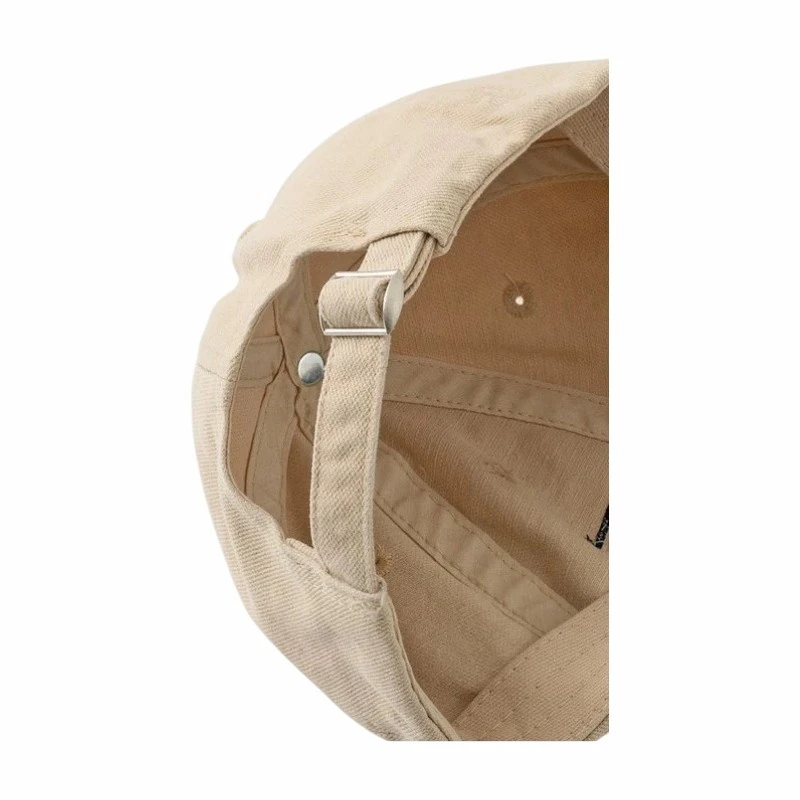

This personal connection to an item of clothing can be a powerful motivator. It can influence purchasing decisions and how a person feels when wearing the item. As a supplier, understanding these psychological aspects can help in marketing and promoting low crown caps.
Marketing Low Crown Caps in the Context of Superstitions
While we can't rely on well - established superstitions to sell low crown caps, we can use the concept of positive associations to our advantage. We can market these caps as symbols of style, confidence, and good fortune. For example, we can create advertising campaigns that show people looking their best and having a great time while wearing low crown caps.
We can also highlight the quality and versatility of our products. By emphasizing that our low crown caps are made from high - quality materials and are suitable for a variety of activities, we can create a positive perception in the minds of consumers.
Encouraging Contact for Purchase
If you're interested in adding these stylish low crown caps to your collection or are a retailer looking to stock our products, we'd love to hear from you. Our low crown caps come in a wide range of styles, colors, and materials, ensuring that there's something for everyone. Whether you prefer the classic look of a Plain Baseball Cap, the modern appeal of a Flat Low Crown Cap, or the relaxed fit of Low Crown Unstructured Hats, we have you covered.
Contact us to discuss your specific needs, place an order, or get more information about our products. We're committed to providing excellent customer service and high - quality products at competitive prices.
References
- Barber, E. J. W. (1991). Prehistoric Textiles: The Development of Cloth in the Neolithic and Bronze Ages with Special Reference to the Aegean. Princeton University Press.
- Breward, C. (2003). The Culture of Fashion: A New History of Fashionable Dress. Manchester University Press.
- Eicher, J. B., & Roach - Higgins, M. (1992). Dress and Ethnicity: Change Across Space and Time. Berg.