

Hey there! As a supplier of low crown caps, I often get asked a bunch of questions, and one that pops up quite a bit is, "Can I iron a low crown cap?" Well, let's dive right into this topic and find out the ins and outs.
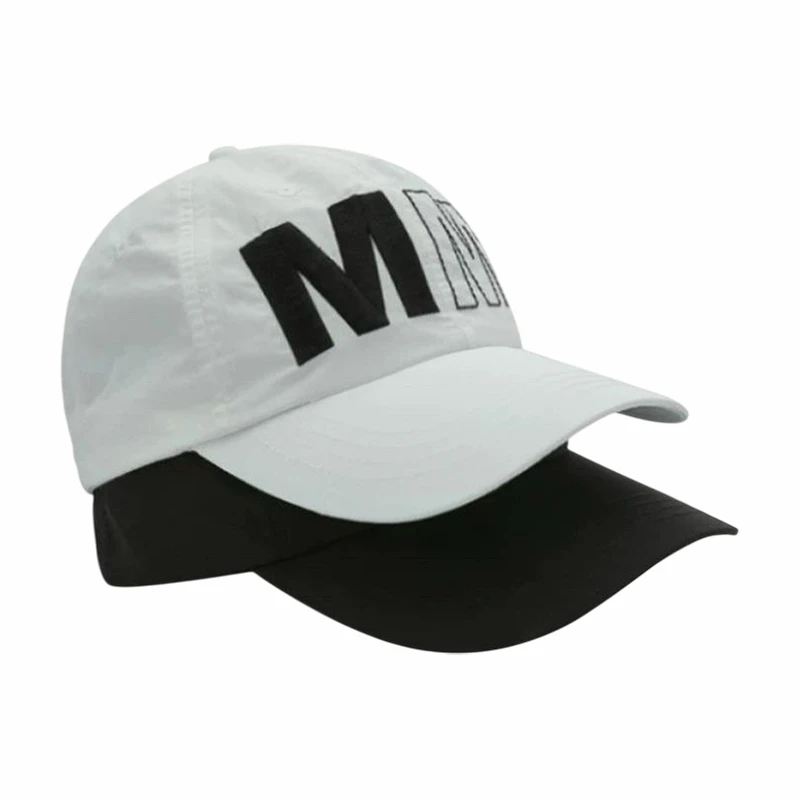
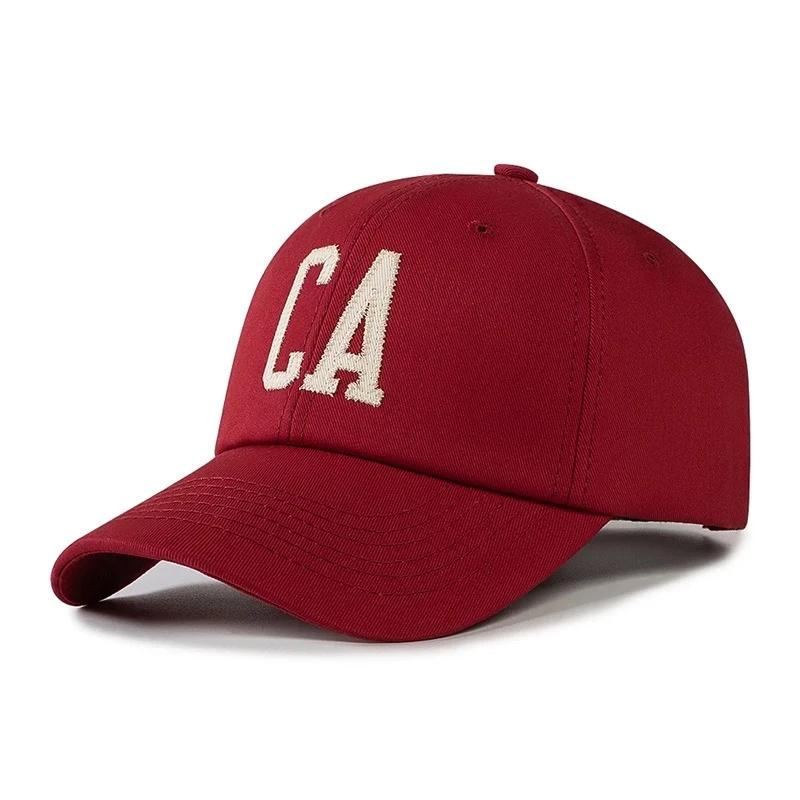
First off, let's talk about what a low crown cap is. Low crown caps are super trendy these days. They have a shorter height compared to regular caps, giving them a more laid - back and casual look. Whether you're into Logo Baseball Caps, which are great for showing off a brand or a cool design, or Plain Distressed Baseball Cap for that rugged, vintage vibe, or Low Crown Unstructured Hats that offer a more relaxed fit, low crown caps come in all sorts of styles to suit different tastes.
Now, back to the main question: Can you iron a low crown cap? The short answer is, it depends. There are a few factors you need to consider before you start heating up that iron.
Material Matters
The material of your low crown cap plays a huge role in whether you can iron it or not. Different materials react differently to heat, so it's crucial to know what your cap is made of.
Cotton Caps
Cotton is one of the most common materials for low crown caps. Good news! Cotton is generally pretty forgiving when it comes to ironing. You can usually iron a cotton low crown cap on a low - to - medium heat setting. But here's the catch: you don't want to iron the cap directly. Instead, place a thin cloth, like a cotton handkerchief or a piece of muslin, over the area you want to iron. This acts as a buffer between the iron and the cap, preventing direct heat damage. And don't forget to keep the iron moving. If you leave it in one spot for too long, you might end up scorching the fabric.
Polyester Caps
Polyester is another popular material. However, it's a bit more sensitive to heat. High temperatures can cause the polyester fibers to melt or warp. If you have a polyester low crown cap and you really need to iron it, use the lowest heat setting on your iron. And again, use a cloth as a barrier. You might also want to test a small, inconspicuous area of the cap first to see how it reacts to the heat.
Wool Caps
Wool caps are a bit trickier. Wool can shrink and felt when exposed to too much heat and moisture. If you have a wool low crown cap that needs a little smoothing out, it's best to use a steamer instead of an iron. Hold the steamer a few inches away from the cap and let the steam do its work. Gently reshape the cap while it's still damp, but be careful not to pull or stretch it too much.
Cap Structure
The structure of the low crown cap also affects the ironing process.
Structured Caps
Structured low crown caps have a firm shape, often with a stiff brim and a defined crown. Ironing these caps requires extra caution. You don't want to mess up the structure. If you're going to iron a structured cap, try to support the inside of the cap with something like a cap form or a balled - up piece of newspaper. This helps maintain the shape while you're ironing. And when it comes to the brim, you can use a thin piece of cardboard to keep it straight and prevent it from curling during the ironing process.
Unstructured Caps
Unstructured low crown caps are more flexible and have a softer shape. They're generally a bit easier to iron. You can usually get away with a bit more movement and reshaping during the ironing process. Just make sure to follow the material - specific guidelines mentioned above.
Potential Risks
Even if you follow all the right steps, there are still some risks associated with ironing a low crown cap.
Color Fading
Heat can cause colors to fade, especially on caps with bright or bold prints. This is more likely to happen if you use too high a heat setting or if you iron the cap for too long. To minimize the risk of color fading, use the lowest heat setting possible and keep the ironing time short.
Shape Distortion
As I mentioned earlier, ironing can mess up the shape of your cap, especially if it's a structured one. If you're not careful, you might end up with a cap that looks lopsided or has a misshapen brim. That's why it's so important to support the cap properly and be gentle when reshaping it.
Alternatives to Ironing
If you're still not comfortable ironing your low crown cap, there are some alternatives you can try.
Steaming
As I mentioned before, steaming is a great option, especially for wool and delicate materials. A handheld steamer is easy to use and can help remove wrinkles without the risk of direct heat damage. Just hold the steamer a few inches away from the cap and move it around evenly. You can also use a regular iron in steam mode. Just make sure the iron is not touching the cap directly.
Hanging
Sometimes, just hanging your low crown cap can help it regain its shape. If it's a bit wrinkled, hang it up in a well - ventilated area for a few hours. Gravity will do its thing, and the wrinkles might start to fall out on their own. You can also give the cap a gentle shake to help loosen up the fabric.
Conclusion
So, can you iron a low crown cap? In many cases, yes, but you need to do it right. Consider the material, the structure of the cap, and the potential risks. If you're unsure, it's always a good idea to consult the care instructions that came with your cap or to test a small area first.
At the end of the day, as a low crown cap supplier, I want you to enjoy your caps to the fullest. Whether you're looking for a stylish Logo Baseball Caps for a special event or a Plain Distressed Baseball Cap for everyday wear, we've got you covered. And if you're in the market to purchase low crown caps in bulk, we'd love to have a chat with you. We offer a wide range of high - quality low crown caps at competitive prices. So, if you're interested in starting a business partnership or just want to stock up on some cool caps, don't hesitate to reach out for a procurement discussion.
References
- "Textile Care: A Guide to Fabrics and Their Care," by Textile Institute
- "Cap Making and Design," by Cap Manufacturers Association