

Do berets stretch over time? This is a question that often comes up among beret enthusiasts and potential buyers. As a beret supplier, I've had numerous conversations with customers about this very topic. In this blog post, I'll delve into the science behind beret stretching, share my experiences in the industry, and provide some practical advice for those interested in purchasing or maintaining berets.
The Science of Beret Stretching
To understand whether berets stretch over time, we first need to look at the materials used in their construction. Berets are typically made from a variety of fabrics, including wool, felt, cotton, and synthetic blends. Each material has its own unique properties that can affect how it stretches.

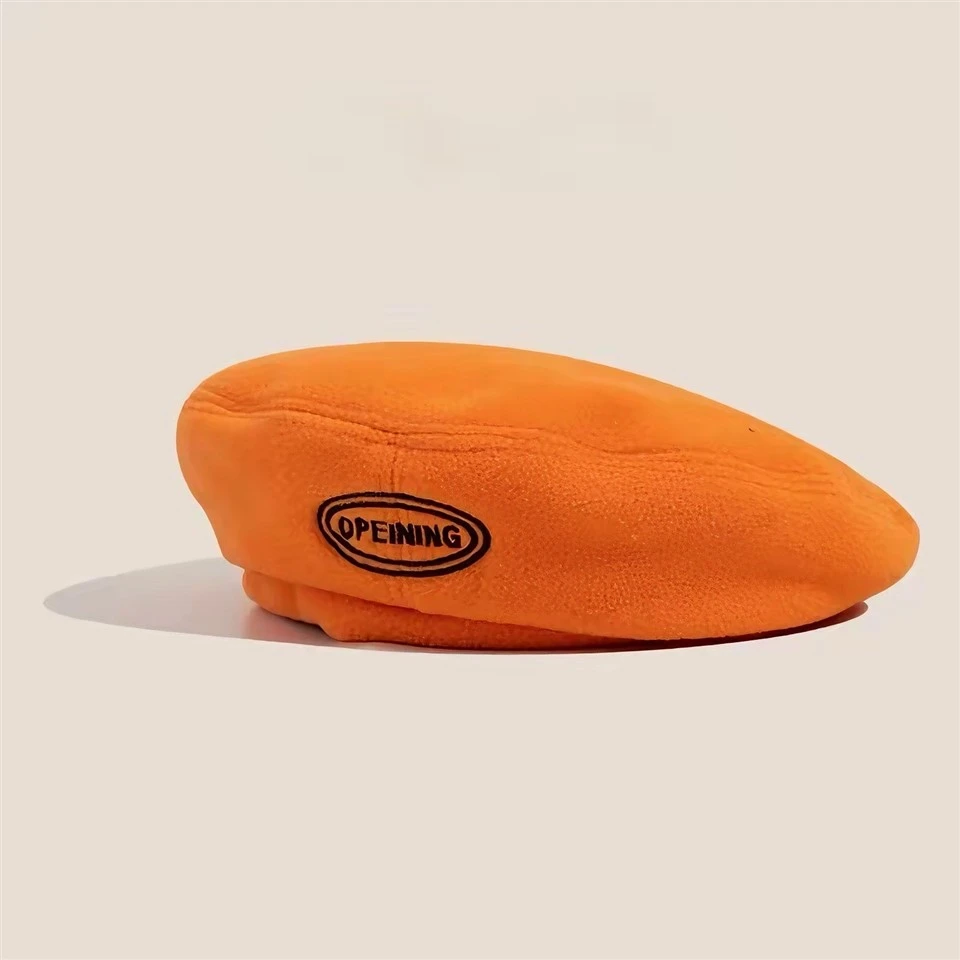
Wool Berets
Wool is one of the most common materials used for berets. It's known for its warmth, durability, and natural elasticity. Wool fibers have a unique structure that allows them to stretch and then return to their original shape. This is due to the presence of a protein called keratin, which gives wool its resilience. However, when exposed to heat, moisture, or repeated stretching, wool fibers can lose some of their elasticity over time. For example, if you wear a wool beret in hot and humid weather, the moisture can cause the fibers to relax and stretch. Similarly, if you constantly pull on the beret to adjust it, the fibers may gradually lose their ability to bounce back.
Felt Berets
Felt is another popular material for berets. It's made by matting, condensing, and pressing fibers together. Felt berets are known for their shape retention and durability. Unlike wool, felt fibers are more tightly packed and less likely to stretch. However, over time, especially with repeated wear and exposure to moisture, felt berets can also experience some stretching. The moisture can cause the fibers to loosen up, and the weight of the beret itself can gradually pull it out of shape.
Cotton and Synthetic Blend Berets
Cotton berets are lightweight and breathable, but they tend to have less elasticity than wool or felt. Cotton fibers are relatively straight and do not stretch as easily. Synthetic blends, on the other hand, can vary in their stretching properties depending on the type of synthetic fibers used. Some synthetic fibers, like spandex, are highly elastic and can add stretch to a beret. However, if the blend contains a high percentage of non - stretchy fibers, the beret may not stretch much at all.
Factors Affecting Beret Stretching
Several factors can influence whether a beret will stretch over time.
Frequency of Wear
The more often you wear a beret, the more likely it is to stretch. Every time you put on and take off the beret, you're applying some amount of force to the fabric. Over time, this repeated stress can cause the fibers to stretch. For example, if you wear a beret every day for work or as part of your daily fashion routine, it will experience more wear and tear than a beret that you only wear occasionally.
Environmental Conditions
Environmental factors such as heat, humidity, and sunlight can also affect beret stretching. As mentioned earlier, heat and moisture can cause the fibers in a beret to relax and stretch. Sunlight, on the other hand, can weaken the fibers over time, making them more prone to stretching. If you live in a hot and humid climate, or if you often expose your beret to direct sunlight, it's more likely to stretch.
How the Beret is Worn and Stored
The way you wear and store your beret can also play a role in its stretching. If you pull the beret too tightly over your head or constantly adjust it by pulling on the edges, you're more likely to stretch it. Similarly, if you store your beret in a way that puts pressure on it, such as stuffing it into a small bag or leaving it under a heavy object, it can lose its shape and stretch.
My Experience as a Beret Supplier
Over the years, I've seen a wide range of berets come through our business. I've noticed that different customers have different experiences with beret stretching. Some customers report that their berets stretch quickly, while others say that their berets maintain their shape for a long time.
One of the things I've learned is that proper care and maintenance can make a big difference. Customers who follow our care instructions, such as hand - washing their berets in cold water and laying them flat to dry, tend to have berets that last longer and stretch less. On the other hand, customers who machine - wash their berets or dry them in a dryer often end up with berets that are misshapen and stretched.
I've also found that the quality of the beret matters. Higher - quality berets made from premium materials are generally more resistant to stretching. We source our berets from some of the best Beret Manufacturers in the industry, and we've noticed that their products tend to hold up better over time.
Practical Advice for Beret Owners
If you're a beret owner or considering purchasing a beret, here are some tips to help prevent stretching and keep your beret in good condition.
Choose the Right Size
When buying a beret, make sure to choose the right size. A beret that is too tight will be more likely to stretch as you try to fit it on your head. Measure your head circumference and refer to the size chart provided by the supplier.
Follow the Care Instructions
Always follow the care instructions provided with your beret. Most berets can be hand - washed in cold water with a mild detergent. Avoid using hot water or harsh chemicals, as these can damage the fibers and cause stretching. After washing, lay the beret flat to dry and reshape it if necessary.
Store Your Beret Properly
Store your beret in a cool, dry place. Avoid storing it in a way that puts pressure on it. You can use a beret stand or simply lay it flat in a drawer. If you need to travel with your beret, use a beret box or a soft bag to protect it.
Beret Fashion and Stretching
Berets are not only practical but also a stylish accessory. They come in a variety of styles and colors, and they can add a touch of elegance to any outfit. For women, Beret Hat Fashion Women offers a wide range of options, from classic black berets to trendy patterned ones.
However, when it comes to fashion, the shape of the beret is crucial. A stretched - out beret may not look as stylish as one that maintains its shape. That's why it's important to take care of your beret to ensure that it continues to look good. For example, a Winter Plaid Beret can be a great addition to your winter wardrobe, but if it stretches out, it may lose its charm.
Conclusion
In conclusion, berets can stretch over time, but the extent of stretching depends on several factors, including the material, frequency of wear, environmental conditions, and how the beret is worn and stored. As a beret supplier, I recommend choosing a high - quality beret, following the care instructions, and storing it properly to minimize stretching.
If you're interested in purchasing berets for your personal use or for your business, I'd be happy to assist you. We offer a wide range of berets in different materials, styles, and colors. Whether you're looking for a classic wool beret or a trendy synthetic blend one, we have something to suit your needs. Feel free to reach out to discuss your requirements and start a procurement conversation.
References
- Textile Science textbooks for information on fabric properties
- Industry reports on beret manufacturing and materials
- Customer feedback and experiences shared over the years