

Do golf visors provide UV protection?
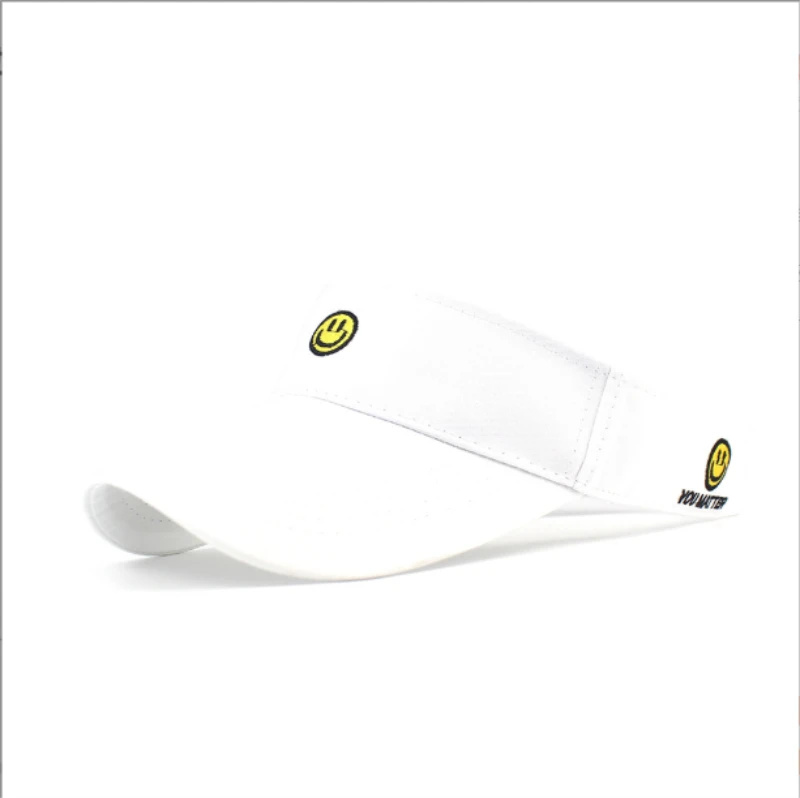
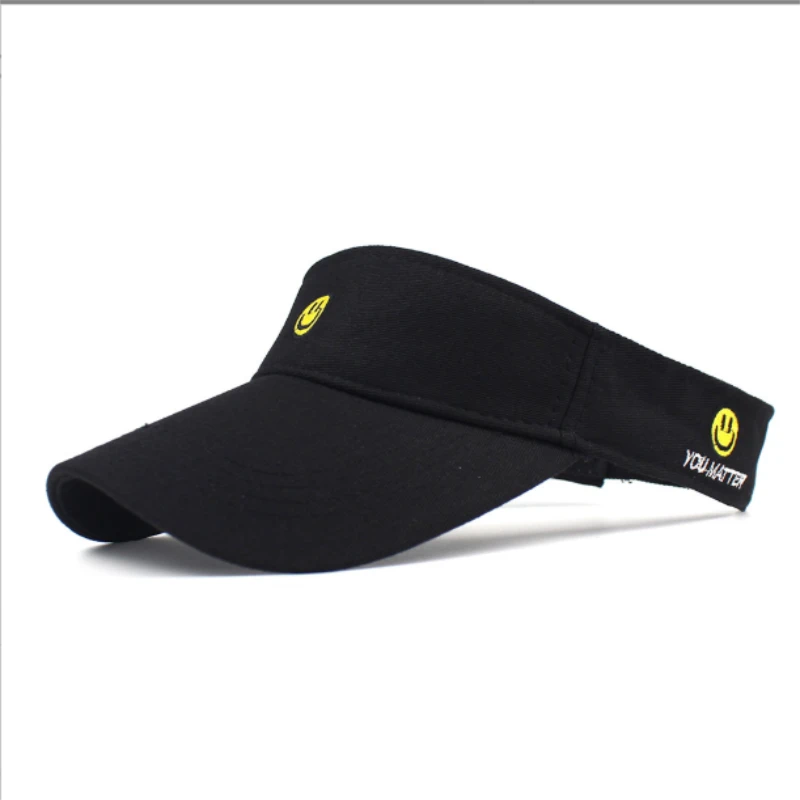
As a supplier of golf visors, I've often been asked about the UV - protection capabilities of our products. In this blog, I'll dive deep into the science behind UV protection and how golf visors can play a role in shielding you from the sun's harmful rays.
Understanding UV Radiation
Ultraviolet (UV) radiation is a part of the electromagnetic spectrum emitted by the sun. There are three main types of UV rays: UVA, UVB, and UVC. UVC rays are mostly absorbed by the Earth's atmosphere, so they pose little threat at the surface. However, UVA and UVB rays can reach the Earth and have significant impacts on our skin and eyes.
UVA rays have a longer wavelength and can penetrate deep into the skin's dermis. They are associated with skin aging, wrinkling, and long - term damage. UVB rays, on the other hand, have a shorter wavelength and are responsible for sunburns. Prolonged exposure to both UVA and UVB rays can increase the risk of skin cancer.
How Do Golf Visors Offer UV Protection?
Golf visors are designed to cover the forehead and the eyes, which are areas highly exposed to the sun during a round of golf. The primary way they provide UV protection is through the material they are made of.
Many high - quality golf visors are crafted from fabrics that have been treated with UV - blocking agents. These agents work by absorbing or reflecting UV radiation. For example, some visors use special polymers that can absorb UV rays before they reach the skin. When the UV rays hit the fabric, the polymers undergo a chemical reaction that dissipates the energy of the rays, preventing them from causing harm.
The brim of the golf visor also plays a crucial role. A wide brim can create a shadow over the eyes and forehead, blocking a significant amount of direct sunlight. This physical barrier reduces the amount of UV radiation that reaches these areas.
Factors Affecting UV Protection of Golf Visors
- Material Quality: The quality of the fabric used in the visor is a major determinant of its UV - protection ability. Higher - quality materials are often treated more effectively with UV - blocking agents and have a tighter weave, which can block more UV rays. For instance, a visor made from a thin, low - quality polyester may not offer the same level of protection as one made from a high - performance, UV - treated cotton blend.
- Color: Darker colors generally absorb more UV radiation than lighter colors. A black or navy - blue golf visor may provide better UV protection than a white or light - colored one. However, this also depends on the UV - treatment of the fabric. Even a light - colored visor that has been properly treated can offer good protection.
- Fit: A well - fitting visor is essential for optimal UV protection. If the visor is too loose, it may shift during play, leaving areas of the forehead and eyes exposed. On the other hand, a visor that is too tight can be uncomfortable and may also not provide full coverage.
Our Golf Visor Product Range
At our company, we offer a diverse range of golf visors that are designed to provide excellent UV protection.
- Sun Protection Golf Visor: This visor is made from a premium fabric that has been specially treated to block up to 99% of UVA and UVB rays. The wide brim offers ample coverage, and it comes in a variety of stylish colors. Whether you're a professional golfer or a weekend enthusiast, this visor will keep you protected under the sun.
- Women's Golf Sun Visors Hat: Our women's golf visors are not only functional but also fashionable. They are designed with a feminine touch, featuring floral patterns and soft colors. The fabric is lightweight and breathable, ensuring comfort during long rounds of golf. And of course, they provide reliable UV protection for the eyes and forehead.
- Golf Cap Visor: This visor combines the style of a cap with the functionality of a visor. It has a unique design that offers full coverage of the forehead and the sides of the face. The adjustable strap ensures a perfect fit, and the high - quality material provides effective UV protection.
Testing and Certification
To ensure the UV - protection claims of our golf visors, we subject them to rigorous testing. We use industry - standard methods to measure the UV protection factor (UPF) of our visors. UPF is a rating system that indicates how well a fabric blocks UV radiation. A visor with a UPF of 50+ means that it blocks 98% or more of UV radiation.
Many of our visors have been independently certified by recognized testing organizations. This certification gives our customers peace of mind, knowing that they are getting a product that meets high - quality standards for UV protection.
Importance of UV Protection in Golf
Golf is a sport that is played outdoors for extended periods, often under direct sunlight. This makes golfers particularly vulnerable to the harmful effects of UV radiation. In addition to skin damage, UV rays can also cause eye problems such as cataracts, macular degeneration, and photokeratitis (a painful condition similar to a sunburn of the eye).
By wearing a golf visor with proper UV protection, golfers can significantly reduce their risk of these health issues. It not only protects their physical well - being but also allows them to focus on their game without having to worry about the sun's harmful rays.
Conclusion
In conclusion, golf visors can indeed provide effective UV protection. The combination of UV - treated materials and the physical barrier of the brim makes them a valuable accessory for golfers. At our company, we are committed to providing high - quality golf visors that offer both style and protection.
If you're interested in purchasing our golf visors for your store or for personal use, we encourage you to contact us for a procurement discussion. We offer competitive prices, bulk discounts, and excellent customer service. Let's work together to ensure that golfers everywhere can enjoy the game while staying protected from the sun.
References
- American Cancer Society. "Ultraviolet (UV) Radiation."
- World Health Organization. "Global Solar UV Index: A Practical Guide."
- International Ultraviolet Association. "UV Radiation and Skin Cancer."