

Running visors have become a popular accessory among runners in recent years. They offer protection from the sun's glare and help keep sweat out of the eyes. But one question that often comes up is whether running visors can block wind. As a running visor supplier, I've done a fair bit of research on this topic, and in this blog post, I'll delve into the science behind it and share my insights.
The Science of Wind Resistance
To understand whether running visors can block wind, it's important to first understand the basic principles of wind resistance. When an object moves through the air, it encounters resistance, which is determined by several factors, including the object's shape, size, and surface area. The greater the surface area of an object facing the wind, the more resistance it will encounter.
In the context of running, the human body is the primary object moving through the air. The body's shape and position can have a significant impact on wind resistance. For example, a runner with a streamlined body position will encounter less wind resistance than a runner with a more upright posture.
How Running Visors Affect Wind Resistance
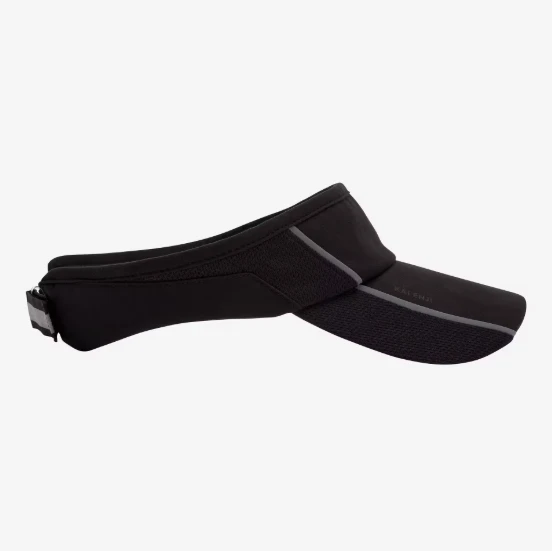
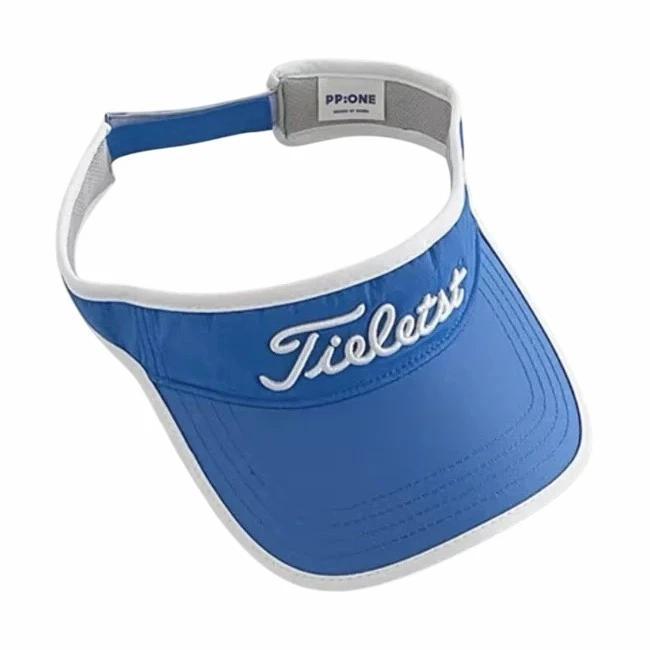
Running visors are designed to be lightweight and aerodynamic, with a relatively small surface area compared to other types of headgear, such as hats or caps. This means that they generally have a minimal impact on wind resistance.
However, the shape and design of a running visor can still affect how it interacts with the wind. Some running visors have a curved shape that helps to deflect the wind away from the face, while others have a more flat or angled design that may create more drag.
In addition, the material used to make the running visor can also play a role in its wind-blocking capabilities. Visors made from lightweight, breathable materials, such as mesh or polyester, are generally more aerodynamic than those made from heavier materials, such as cotton or wool.
Factors That Affect Wind Blocking
While running visors can provide some degree of wind protection, there are several factors that can affect their effectiveness. These include:
- Wind speed and direction: The strength and direction of the wind can have a significant impact on how much wind a running visor can block. In general, a running visor will be more effective at blocking wind when the wind is blowing from the front or side than when it is blowing from the back.
- Running speed: The faster a runner is moving, the more wind resistance they will encounter. This means that a running visor may be less effective at blocking wind at higher speeds.
- Head position: The position of the runner's head can also affect how much wind a running visor can block. If the runner's head is tilted forward or backward, the visor may not be positioned correctly to block the wind.
Benefits of Using a Running Visor
Even if running visors don't provide complete wind protection, they still offer several benefits for runners. These include:
- Sun protection: Running visors can help to block the sun's glare and protect the eyes from harmful UV rays. This can be especially important for runners who train or compete outdoors during the day.
- Sweat management: Running visors can help to keep sweat out of the eyes, which can improve visibility and prevent irritation. This can be particularly beneficial for runners who sweat heavily.
- Comfort: Running visors are generally lightweight and breathable, which makes them comfortable to wear for extended periods of time. They also come in a variety of styles and colors, so runners can choose a visor that suits their personal taste.
Our Running Visor Products
As a running visor supplier, we offer a wide range of high-quality running visors that are designed to provide maximum comfort, protection, and performance. Our visors are made from lightweight, breathable materials and feature a variety of innovative designs and technologies to help runners stay cool, dry, and focused.
Some of our popular running visor products include:
- Sun Running Visor Uv Protection: This visor is designed to provide excellent sun protection, with a UPF 50+ rating to block 99% of harmful UV rays. It also features a moisture-wicking sweatband to keep sweat out of the eyes.
- Best Sun Running Visor: This visor is our top-of-the-line model, with a sleek, aerodynamic design and advanced ventilation technology to keep runners cool and comfortable. It also features a removable visor for easy cleaning and customization.
- Running Summer Visor: This visor is specifically designed for summer running, with a lightweight, breathable mesh construction and a wide brim to provide maximum sun protection. It also features a reflective logo for added visibility in low-light conditions.
Conclusion
In conclusion, while running visors may not provide complete wind protection, they can still offer some degree of wind blocking and several other benefits for runners. The effectiveness of a running visor at blocking wind depends on several factors, including the wind speed and direction, running speed, and head position.
As a running visor supplier, we are committed to providing our customers with high-quality running visors that are designed to meet their specific needs and preferences. Whether you're looking for a visor that provides excellent sun protection, sweat management, or aerodynamics, we have a product that's right for you.
If you're interested in learning more about our running visor products or would like to place an order, please don't hesitate to contact us. We'd be happy to answer any questions you may have and help you find the perfect running visor for your next run.
References
- Brown, J. (2018). The Science of Running: How to Run Faster, Longer, and Injury-Free. New York: HarperCollins.
- Daniels, J. (2014). Daniels' Running Formula. Champaign, IL: Human Kinetics.
- Fitzgerald, G. (2017). The Endurance Athlete's Guide to Sports Nutrition. Boulder, CO: VeloPress.