

Do running visors provide UV protection? This is a question that many runners, especially those who frequently hit the trails or roads under the sun, often ask. As a running visor supplier, I've spent a great deal of time researching and understanding the relationship between running visors and UV protection. In this blog, I'll delve into the science behind it, the factors that affect UV protection in running visors, and how you can choose the right one for your needs.
The Science of UV Protection
Ultraviolet (UV) radiation from the sun is divided into three types: UVA, UVB, and UVC. UVC is mostly absorbed by the Earth's atmosphere and doesn't reach the surface. However, UVA and UVB can penetrate the atmosphere and cause various skin problems, including sunburn, premature aging, and an increased risk of skin cancer.
When it comes to protecting ourselves from UV radiation, we often think of sunscreen, sunglasses, and long - sleeved clothing. Running visors, on the other hand, are a less - talked - about but equally important piece of protective gear. The principle behind UV protection in running visors is similar to that of other protective materials. It involves either absorbing or reflecting the UV rays before they reach the skin.
The fabric used in running visors plays a crucial role in determining its UV protection capabilities. Some fabrics are naturally more resistant to UV radiation than others. For example, tightly woven fabrics with a high thread count tend to block more UV rays compared to loosely woven ones. Additionally, fabrics treated with special UV - blocking chemicals can provide enhanced protection.
Factors Affecting UV Protection in Running Visors
- Fabric Quality and Type
As mentioned earlier, the quality and type of fabric are key factors. Synthetic fabrics like polyester and nylon can be engineered to have high UV protection. These materials can be treated with UV - absorbing agents during the manufacturing process. Cotton, on the other hand, is a natural fiber that provides some UV protection, but it may not be as effective as synthetic fabrics, especially when it gets wet. Wet cotton loses some of its ability to block UV rays. - UPF Rating
The Ultraviolet Protection Factor (UPF) is a measure of how well a fabric blocks UV radiation. A UPF rating of 50+ means that the fabric allows less than 1/50th of the sun's UV radiation to pass through. When choosing a running visor, look for one with a high UPF rating. This information is usually provided on the product label. For instance, our Best Sun Running Visor has a UPF rating of 50+, which offers excellent protection against both UVA and UVB rays. - Design and Coverage
The design of the running visor also affects its UV protection. A visor with a wider brim will provide more coverage and protect a larger area of the face, including the eyes, cheeks, and nose, from direct sunlight. Some running visors are designed with extended sides to protect the ears as well. Our Adjustable Running Visor not only has a wide brim but also allows for a customizable fit, ensuring maximum coverage and protection.
Benefits of Using a Running Visor for UV Protection
- Eye Protection
Running under the sun can be harsh on the eyes. Prolonged exposure to UV rays can cause damage to the eyes, including cataracts and macular degeneration. A running visor with a good brim can shade the eyes from direct sunlight, reducing the risk of UV - related eye problems. It also helps to reduce glare, making it easier to see while running. - Skin Protection
The face is one of the most exposed areas of the body when running. A running visor can protect the skin on the forehead, nose, and cheeks from sunburn and long - term UV damage. This is especially important for runners who spend a lot of time outdoors, as cumulative UV exposure can have serious health consequences. - Comfort
Unlike hats, running visors allow for better air circulation around the head. This means that you can stay cool and comfortable while running, even in hot weather. The adjustable straps on many running visors ensure a snug fit, so the visor won't bounce around or fall off during your run.
How to Choose the Right Running Visor for UV Protection
- Consider the UPF Rating
As mentioned before, a high UPF rating is essential for effective UV protection. Look for a visor with a UPF of at least 50+. This will ensure that you're getting the best possible protection against UV radiation. - Check the Design and Fit
Choose a visor with a wide brim that provides adequate coverage for your face and eyes. The visor should also fit comfortably on your head. An adjustable strap is a plus, as it allows you to customize the fit according to your head size. - Look for Breathable Fabrics
Since you'll be sweating while running, it's important to choose a visor made from breathable fabrics. This will help to keep you cool and prevent the visor from becoming damp and uncomfortable.
Our Running Visors and UV Protection
At our company, we understand the importance of UV protection for runners. That's why we've developed a range of running visors that offer excellent UV protection. Our Sun Running Visor Uv Protection is made from high - quality synthetic fabric with a UPF rating of 50+. The wide brim provides generous coverage for the face and eyes, and the adjustable strap ensures a perfect fit.
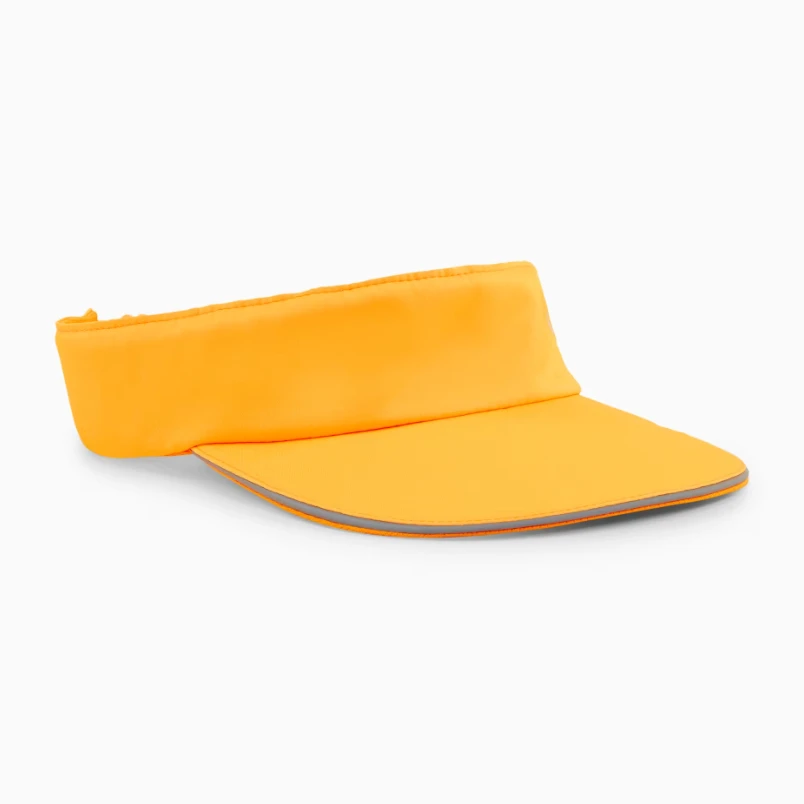
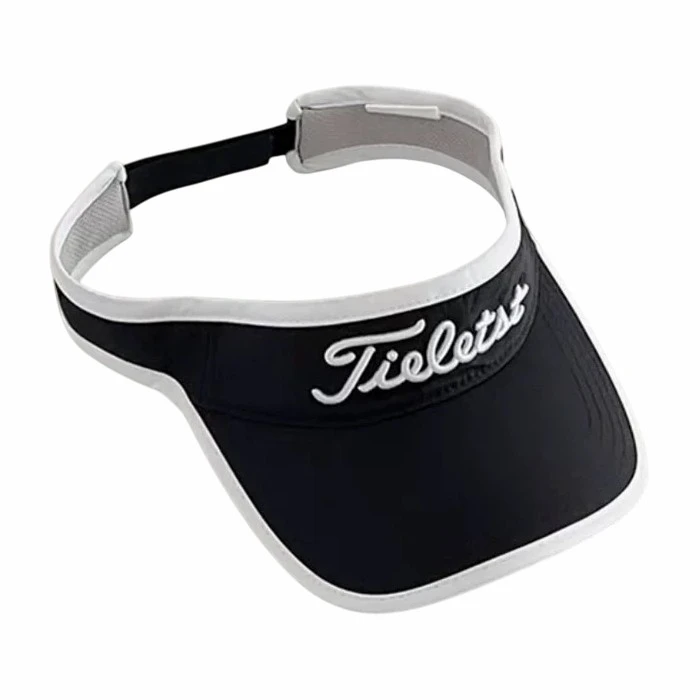
In addition to UV protection, our running visors are also designed for comfort and performance. The breathable fabric allows for good air circulation, and the lightweight design won't weigh you down during your run.
Conclusion
Running visors can indeed provide effective UV protection. By choosing a visor with a high UPF rating, a suitable design, and breathable fabric, you can protect your eyes and skin from the harmful effects of UV radiation while enjoying your runs.
If you're interested in purchasing high - quality running visors with excellent UV protection, we'd love to hear from you. Whether you're a retailer looking to stock our products or an individual runner in need of a reliable visor, we're here to assist you. Contact us to start a procurement discussion and find out how our running visors can meet your needs.
References
- American Academy of Dermatology. "Sun Protection." Accessed [date].
- World Health Organization. "Ultraviolet (UV) Radiation." Accessed [date].