

As a seasoned golf visor supplier, I've encountered numerous inquiries from golf enthusiasts about the best way to dry a wet golf visor. A wet visor not only affects its appearance but can also compromise its functionality and durability. In this blog, I'll share some scientifically - backed methods to dry your golf visor effectively, ensuring it remains in top - notch condition for your next game.
Understanding the Material of Golf Visors
Before delving into the drying methods, it's essential to understand the materials commonly used in golf visors. Most golf visors are made from fabrics like cotton, polyester, or a blend of both. Some high - end visors may also incorporate synthetic materials for enhanced performance. Each material has its own characteristics when it comes to moisture absorption and drying.
Cotton is highly absorbent, which means it can hold a significant amount of water. However, it also dries relatively quickly compared to some synthetic materials. Polyester, on the other hand, is less absorbent but can be more resistant to wrinkles and shrinkage. A blend of these materials combines the advantages of both, offering good absorbency and durability.
Immediate Actions After a Visor Gets Wet
When your golf visor gets wet, the first step is to remove as much water as possible. Gently squeeze the visor to expel excess water. Avoid wringing it vigorously, as this can distort the shape of the visor and damage the fabric or any embroidery. If the visor has an adjustable strap, make sure it's also free of excess water to prevent mold growth.
Air Drying: The Most Gentle Method
Air drying is the safest and most recommended way to dry a wet golf visor. It minimizes the risk of damage to the fabric and any embellishments on the visor. Here's how to do it effectively:
- Shape the Visor: Place the visor on a flat surface, such as a clean towel or a drying rack. Gently reshape it to its original form, ensuring the brim is straight. If the visor has a curved brim, you can use a visor form or a similar object to maintain the curve while it dries.
- Choose a Well - Ventilated Area: Find a spot with good air circulation, away from direct sunlight. Direct sunlight can cause the fabric to fade, especially if it's a colored visor. A room with a fan or a breezy outdoor area under a shade is ideal.
- Flip the Visor Occasionally: To ensure even drying, flip the visor over every few hours. This helps to prevent moisture from getting trapped on one side, which could lead to mold or mildew growth.
Using a Fan for Faster Drying
If you're in a hurry and need to dry your visor more quickly, using a fan can be a great option. A fan increases the air circulation around the visor, accelerating the evaporation process.
- Position the Fan Correctly: Place the visor on a flat surface and position a fan so that it blows directly over the visor. You can set the fan on a low or medium speed to avoid causing any damage to the visor.
- Keep an Eye on the Visor: Check the visor regularly to make sure it's drying evenly. You may need to adjust the position of the visor or the fan to ensure all parts of the visor are getting adequate airflow.
Avoiding Heat Sources
While it might be tempting to use a hair dryer or a heating pad to dry your visor quickly, it's generally not recommended. High heat can damage the fabric of the visor, causing it to shrink, fade, or lose its shape. If you must use a heat source, keep it at a very low temperature and keep the heat source at a safe distance from the visor. For example, if using a hair dryer, set it on the lowest heat setting and hold it at least 12 inches away from the visor.
Special Considerations for Embroidered or Decorated Visors
If you own an Embroidered Golf Visor, extra care is needed during the drying process. Embroidery can be delicate, and excessive moisture or heat can cause the threads to unravel or fade.
- Pat Dry First: Instead of squeezing the visor, gently pat it dry with a clean towel. This helps to remove excess water without putting too much pressure on the embroidery.
- Air Dry Flat: Place the visor flat on a towel or a drying rack. Avoid hanging it, as the weight of the water can cause the embroidery to stretch or distort.
Drying White Visors
White visors are a popular choice among golfers, but they require special attention when it comes to drying. Stains can be more noticeable on white fabric, and improper drying can lead to yellowing.
- Use a Mild Detergent: If the white visor is dirty, wash it with a mild detergent before drying. This helps to keep it looking fresh.
- Avoid Direct Sunlight Completely: Direct sunlight can cause white visors to yellow over time. Opt for a well - ventilated, shady area to dry your White Visor Golf Hat.
Maintaining the Shape of the Visor
Maintaining the shape of your visor is crucial for its functionality and appearance. Here are some tips to keep it in shape during the drying process:
- Use a Visor Form: As mentioned earlier, a visor form can help maintain the curve of the brim. You can also use a similar object, like a rolled - up towel, to support the brim while the visor dries.
- Be Gentle: Throughout the drying process, handle the visor gently. Avoid bending or folding the visor in ways that could permanently distort its shape.
Long - Term Storage After Drying
Once your visor is dry, proper storage is essential to keep it in good condition. Store it in a cool, dry place, away from direct sunlight. You can also use a visor case to protect it from dust and damage.
Conclusion and Call to Action
By following these methods, you can effectively dry your wet golf visor and extend its lifespan. At our company, we are committed to providing high - quality golf visors, including Embroidered Golf Visor, White Visor Golf Hat, and Golf Cap Visor. We understand the importance of proper care for your visors, and we are here to assist you in any way we can.

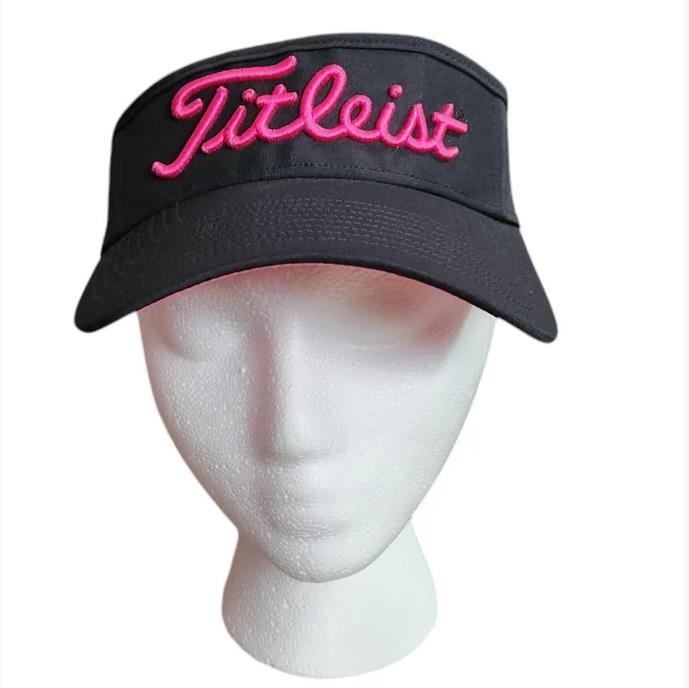
If you are interested in purchasing our golf visors or have any questions about their care and maintenance, please feel free to reach out to us. We'd be delighted to engage in procurement discussions and help you find the perfect visors for your needs.
References
- "Textile Science and Technology" by J. E. Hearle
- "Golf Equipment and Accessories Handbook"