

The history of snapback trucker hats is a fascinating journey that combines elements of fashion, functionality, and cultural significance. As a supplier of snapback trucker hats, I've had the privilege of witnessing the evolution of these iconic headpieces firsthand. In this blog, we'll explore the origins, development, and cultural impact of snapback trucker hats, and how they've become a staple in modern fashion.
Origins of Trucker Hats
The story of trucker hats begins in the mid-20th century, primarily in rural America. Farmers and agricultural workers needed a practical hat that could protect them from the sun while working long hours in the fields. These early hats were typically made with a foam front panel and a mesh back, which provided ventilation and comfort. The foam front could be easily embroidered with the logo of a farming or agricultural company, often given away as promotional items to farmers and truck drivers.
The snapback feature, which allows the hat to be adjusted to fit different head sizes, was a significant innovation. It made the hats more versatile and accessible to a wider range of people. Instead of having to find a hat in the exact right size, wearers could simply adjust the snap to get a perfect fit. This feature, combined with the practical design, made trucker hats a popular choice among workers in various industries.
Rise in Popularity
In the 1970s and 1980s, trucker hats started to gain popularity beyond the agricultural and trucking communities. The rise of skateboarding and hip-hop cultures played a significant role in this shift. Skateboarders were drawn to the hats' casual style and durability, making them a part of the skateboarding uniform. Hip-hop artists also began wearing trucker hats, often customized with their own logos or brands. This exposure in popular culture helped to bring trucker hats into the mainstream.
During this time, the design of trucker hats also started to evolve. More colors and patterns became available, and the logos on the front became more elaborate. Companies began to produce trucker hats specifically for the consumer market, rather than just as promotional items. This led to an increase in the variety of styles and designs, making trucker hats more appealing to a broader audience.
The Snapback Revolution
The 1990s saw the emergence of the snapback trucker hat as we know it today. The snapback feature became even more prominent, and hats were designed with a more structured front panel. This gave the hats a cleaner, more modern look. Brands started to experiment with different materials and construction techniques, resulting in higher-quality hats.
One of the key factors in the snapback trucker hat's popularity during this period was the influence of sports. Athletes, especially in baseball and basketball, began wearing snapback trucker hats both on and off the field. This endorsement from sports stars helped to further solidify the hat's place in popular culture. Fans started to emulate their favorite athletes by wearing the same style of hats, leading to a surge in demand.
Modern Trends
In recent years, snapback trucker hats have continued to evolve and adapt to modern fashion trends. Today, you can find a wide variety of styles, from classic designs with simple logos to more elaborate, streetwear-inspired hats. The popularity of flat bill snapback trucker hats has grown significantly, offering a more contemporary look. You can explore our selection of Flat Bill Snapback Trucker Hats to see the latest styles.
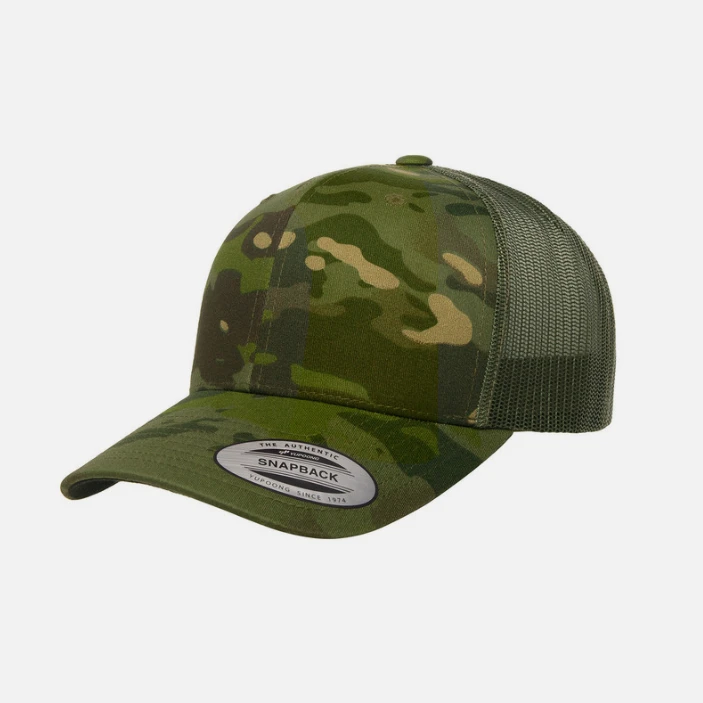
Camo patterns have also become extremely popular in snapback trucker hats. The camo design adds a rugged and edgy look to the hats, making them a favorite among fashion-forward individuals. Check out our Camo Snapback Trucker Hat collection for some great options.
Cultural Significance
Snapback trucker hats have become more than just a fashion accessory; they carry cultural significance. They represent a sense of casualness, individuality, and self-expression. In many subcultures, wearing a specific type of trucker hat can be a way to identify with a particular group or lifestyle. For example, in the skateboarding community, a well-worn trucker hat can be a symbol of experience and dedication to the sport.
In the hip-hop world, trucker hats are often used as a form of branding. Artists use their hats to promote their music, merchandise, and personal brand. This has helped to create a strong connection between the hats and the music industry, further fueling their popularity.
Our Role as a Supplier
As a supplier of snapback trucker hats, we're committed to providing high-quality products that reflect the latest trends. We source the best materials and work with skilled manufacturers to ensure that our hats meet the highest standards of quality and craftsmanship. Our goal is to offer a wide range of styles and designs to meet the diverse needs of our customers.
Whether you're a retailer looking to stock the latest fashion items or an individual looking for a unique hat to express your style, we have something for you. We offer competitive pricing and excellent customer service, making it easy for you to do business with us.

Contact Us for Procurement
If you're interested in purchasing snapback trucker hats for your business or personal use, we'd love to hear from you. Our team is ready to assist you with any questions you may have and to help you find the perfect hats for your needs. We can work with you on custom orders, bulk purchases, and more.
Don't miss out on the opportunity to be a part of the snapback trucker hat trend. Contact us today to start the procurement process and take your fashion game to the next level.
References
- Fashion History Timeline. (n.d.). History of Trucker Hats. Retrieved from [Website Name]
- Sports Illustrated. (Year). The Influence of Athletes on Fashion Trends. Retrieved from [Website Name]
- HipHopDX. (Year). How Hip-Hop Artists Have Shaped Fashion Culture. Retrieved from [Website Name]