

The beret, a timeless and versatile headwear, has a rich and storied history that spans centuries and continents. As a beret supplier, I've always been fascinated by the journey of this iconic hat, from its humble beginnings to its status as a symbol of style and rebellion. In this blog post, I'll take you on a historical tour of the beret, exploring its origins, evolution, and cultural significance.
Origins of the Beret
The exact origins of the beret are somewhat unclear, but it is widely believed to have originated in the Basque region, which straddles the border between France and Spain. The Basques, a distinct ethnic group with a unique culture and language, were known for their sheep farming and the production of high - quality wool. The beret, made from soft, woolen fabric, was a practical and functional hat for the shepherds and farmers in the region.
The earliest berets were likely simple, round hats with a flat top and a slightly sloping brim. They were designed to protect the wearer from the elements, including rain, wind, and sun. The soft, flexible nature of the beret made it easy to fold and carry, and it could be shaped to fit the individual's head.
The Beret in Military History
The beret's journey from a practical work hat to a military symbol began in the early 20th century. In 1916, during World War I, the French military adopted the beret as part of the uniform for the Alpine Chasseurs, a specialized mountain infantry unit. The beret was chosen for its practicality in the rugged mountain terrain, as it was lightweight, comfortable, and easy to wear under a helmet.
The use of the beret by the French military quickly spread to other countries. In the 1930s, the British Army began to issue berets to certain units, including the Royal Tank Regiment. The black beret became the official headgear of the British paratroopers during World War II, and it soon became a symbol of the elite status of these soldiers.
In the United States, the beret was first adopted by the military during the Korean War. The green beret was later chosen as the official headgear of the U.S. Army Special Forces, also known as the Green Berets. The beret became a symbol of the Special Forces' unique skills and mission, and it helped to popularize the hat among the general public.
The Beret in Fashion
The beret's transition from military wear to fashion accessory can be traced back to the 1920s and 1930s. Artists, writers, and intellectuals in Paris, such as Pablo Picasso and Jean - Paul Sartre, began to wear berets as a symbol of their bohemian lifestyle. The beret became associated with creativity, intellectualism, and non - conformity.
In the 1940s and 1950s, the beret became a popular fashion item among women. It was often worn with a simple, tailored suit or a blouse and skirt, adding a touch of elegance and sophistication to the outfit. The beret was also a favorite of Hollywood stars, such as Audrey Hepburn, who helped to popularize the hat around the world.
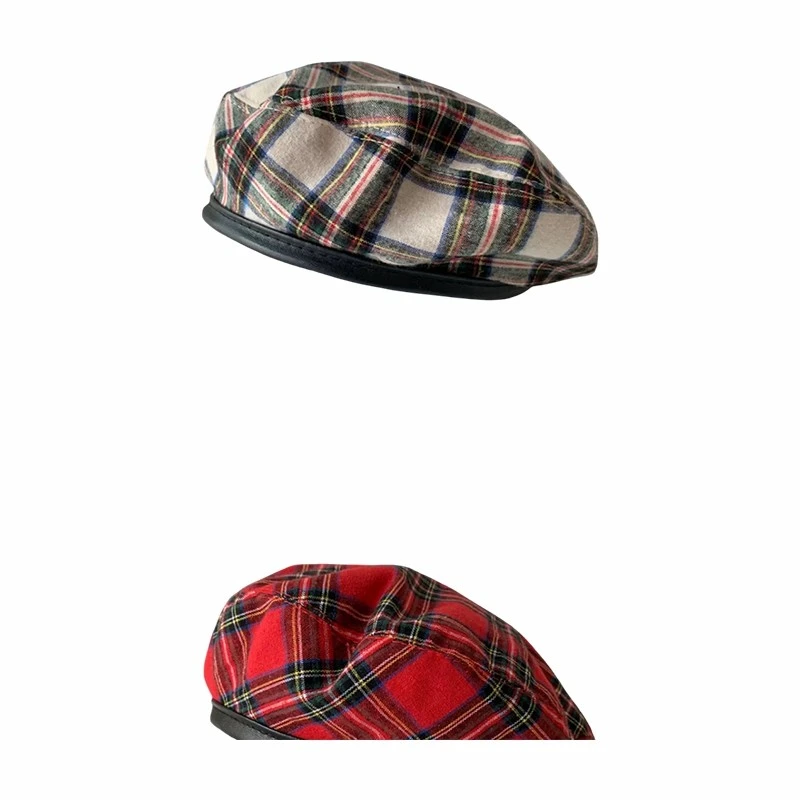
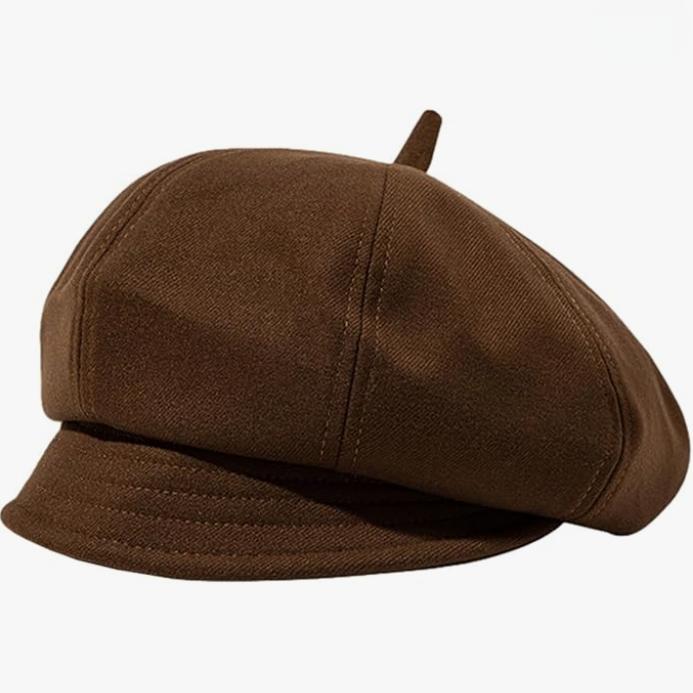
Today, the beret continues to be a popular fashion accessory for both men and women. It comes in a wide variety of colors, materials, and styles, making it suitable for any occasion. Whether you're looking for a classic black beret for a formal event or a colorful, patterned beret for a casual outing, there's a beret out there for you. You can explore a wide range of women's beret options at Beret Hat Fashion Women.
Cultural Significance of the Beret
The beret has taken on different cultural meanings in various parts of the world. In France, the beret remains a symbol of national identity, particularly in the Basque region. It is often associated with traditional French culture, art, and cuisine.
In Spain, the beret is also an important part of the cultural heritage, especially in the regions where the Basque influence is strong. The beret is sometimes worn during traditional festivals and celebrations, adding a touch of authenticity to the event.
In the United States, the beret has become a symbol of counter - culture and rebellion. In the 1960s and 1970s, the beret was worn by members of the Black Panther Party as a symbol of their struggle for civil rights and social justice.
Beret Production and Modern Trends
As a beret supplier, I'm well - aware of the production process and the modern trends in beret fashion. Berets are typically made from wool, but they can also be made from other materials such as cotton, silk, and synthetic fibers. The manufacturing process involves cutting the fabric into a circular shape, shaping it to form the beret's characteristic dome, and then adding a lining and any additional details.
In recent years, there has been a resurgence of interest in berets, especially among younger generations. The beret has become a popular accessory for streetwear, with many fashion influencers and celebrities incorporating it into their outfits. There are also new designs and styles emerging, such as the Soft Beret Style Hat Women's, which offers a more comfortable and stylish option for women.
Why Choose Our Berets
At our beret supply business, we take pride in offering high - quality berets that are both stylish and comfortable. We source the best materials from around the world and use traditional manufacturing techniques to ensure that each beret meets our strict quality standards.
Whether you're a retailer looking to stock our berets in your store or an individual interested in purchasing a beret for yourself, we have a wide range of options to choose from. We also offer Wholesale Beret services for those who are interested in bulk orders.
Contact Us for Procurement
If you're interested in purchasing our berets, whether for personal use or for your business, we'd love to hear from you. We can provide you with more information about our products, pricing, and shipping options. Contact us today to start the procurement process and add these stylish and timeless berets to your collection or inventory.
References
- "The History of the Beret" by Hat Historian, 2015
- "Military Headgear Through the Ages" by Military Museum Publications, 2018
- "Fashion Icons and Their Accessories" by Fashion Studies Press, 2020