

Hey there! I'm a supplier of low crown caps, and today I wanna dive into a question that might not cross everyone's mind right away: What is the purpose of the lining in a low crown cap?
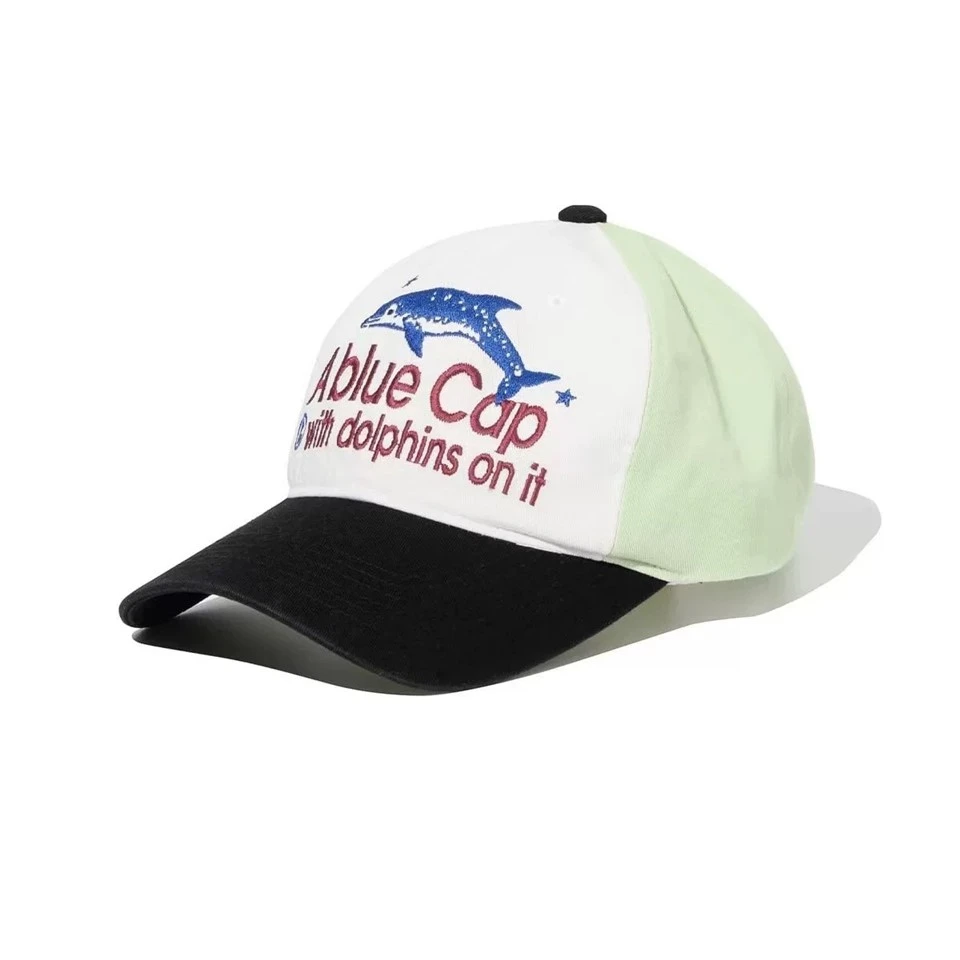
First off, let's talk about what a low crown cap is. If you're not familiar, you can check out Low Crown Unstructured Hats. These caps have a shorter height compared to regular caps, giving them a more laid - back and casual look. They've become quite popular in Baseball Cap Fashion lately.
Now, onto the lining. The lining in a low crown cap isn't just there for show. One of the main purposes is comfort. When you wear a cap, your head sweats, especially on hot days or when you're active. The lining acts as a barrier between your head and the outer material of the cap. It absorbs the sweat, preventing it from seeping through and making the cap look dirty or uncomfortable. This is super important because nobody wants a soggy cap sticking to their head. It also helps to keep your hair dry and reduces the chance of that "hat hair" look that can be a real pain to fix.
Another big advantage of the lining is durability. The outer material of a low crown cap, whether it's cotton, polyester, or some other fabric, can get worn out over time. The constant rubbing against your head, exposure to the elements, and general wear and tear can cause it to fray or lose its shape. The lining adds an extra layer of protection. It takes some of the brunt of the daily use, extending the lifespan of the cap. So, if you're someone who likes to wear the same cap for a long time, a well - lined low crown cap is definitely the way to go.
The lining also plays a role in the overall aesthetics of the cap. It can add a pop of color or a unique pattern that isn't visible from the outside. This gives the cap an extra element of surprise when you take it off or look inside. It's like a little secret that only the wearer and those up close can appreciate. For example, you might have a plain - looking black low crown cap on the outside, but when you look inside, there's a bright red lining with a cool geometric pattern. It adds a bit of personality to the cap.
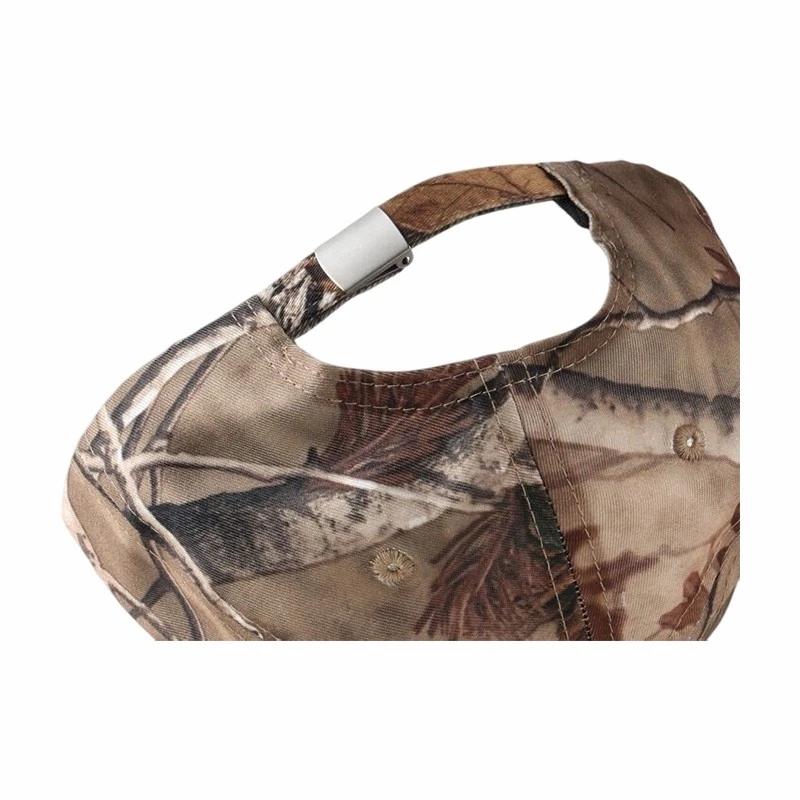
In addition to comfort, durability, and aesthetics, the lining can also provide some insulation. On colder days, it helps to keep your head warm by trapping a layer of air close to your scalp. This is especially useful for those who like to wear their low crown caps all year round. Even a thin lining can make a noticeable difference in how warm you feel.
Let's not forget about the fit. The lining can help to hold the shape of the cap. A low crown cap needs to maintain its proper form to look good and fit well on your head. The lining acts as a sort of internal structure, preventing the cap from collapsing or losing its shape. It's like a hidden support system that keeps everything in place. Whether you're wearing a Flat Low Crown Cap or one with a bit more curvature, the lining ensures that it stays looking sharp.
Now, as a low crown cap supplier, I know that different types of linings can be used depending on the specific needs of the cap. Some linings are made from natural materials like cotton, which are great for breathability and comfort. Others are synthetic, such as polyester, which can be more durable and moisture - wicking. We can customize the lining based on what our customers want. Maybe you want a lining that's extra soft for a luxury feel, or perhaps you need one that's highly absorbent for sports use.
If you're in the market for low crown caps, whether it's for personal use or for your business, I'd love to have a chat with you. We have a wide range of options when it comes to low crown caps, and we can work with you to create the perfect cap with the right lining for your needs. Whether you're looking for a classic style or something more trendy, we've got you covered.
So, if you're interested in discussing your low crown cap requirements, don't hesitate to reach out. We're here to help you get the best caps at a great price. Let's work together to find the perfect low crown caps for you!
References:
- General knowledge of cap manufacturing and design
- Industry experience as a low crown cap supplier