

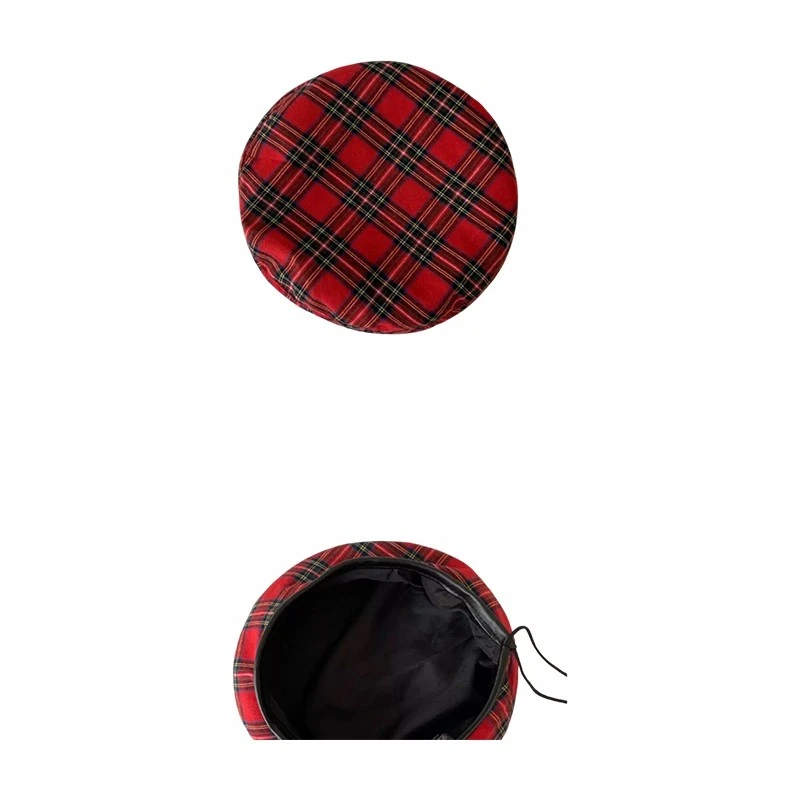
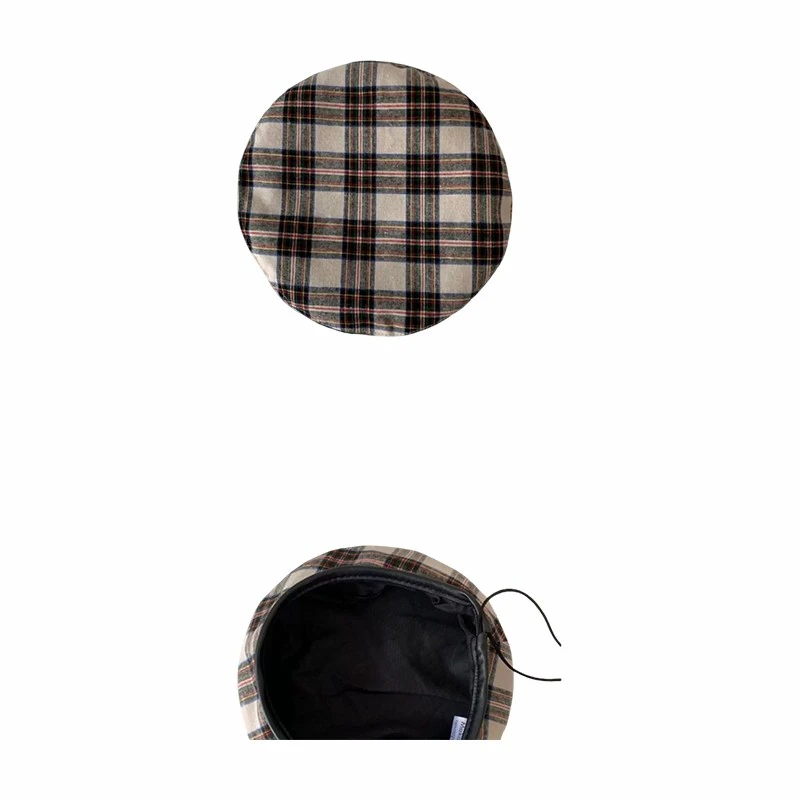
Winter plaid berets are a timeless and fashionable accessory that combines style with warmth during the colder months. As a supplier of these charming headpieces, I often get asked about the kind of lining they usually have. In this blog, I'll delve into the different types of linings commonly used in winter plaid berets, their benefits, and how they contribute to the overall quality and comfort of the beret.
Understanding the Importance of Lining in Winter Plaid Berets
Before we explore the specific types of linings, it's important to understand why lining is crucial for winter plaid berets. A good lining serves several purposes. Firstly, it adds an extra layer of insulation, helping to keep your head warm in cold weather. Secondly, it enhances the durability of the beret by protecting the outer fabric from wear and tear. Thirdly, a well-chosen lining can improve the fit and drape of the beret, making it more comfortable to wear. Finally, the lining can also add a touch of luxury and sophistication to the overall design of the beret.
Common Types of Linings for Winter Plaid Berets
1. Wool Lining
Wool is one of the most popular choices for lining winter plaid berets. It's a natural fiber that offers excellent insulation properties, making it ideal for cold weather. Wool is also breathable, which means it can help regulate your body temperature by wicking away moisture and allowing air to circulate. This prevents your head from getting too hot or sweaty, even when you're wearing the beret for an extended period.
In addition to its practical benefits, wool lining adds a soft and luxurious feel to the beret. It's gentle on the skin and provides a comfortable wearing experience. Wool lining also has a natural elasticity, which helps the beret maintain its shape over time.
2. Fleece Lining
Fleece is another common lining material for winter plaid berets. It's a synthetic fabric that's known for its warmth and softness. Fleece is lightweight and easy to care for, making it a convenient choice for everyday wear. It's also highly resistant to pilling and shrinking, ensuring that the beret retains its quality even after multiple washes.
One of the key advantages of fleece lining is its ability to trap air, which provides excellent insulation. It's also moisture-wicking, which helps keep your head dry and comfortable. Fleece lining comes in a variety of colors and textures, allowing you to choose a lining that complements the outer plaid fabric of the beret.
3. Satin Lining
Satin is a smooth and shiny fabric that's often used to line high-end winter plaid berets. It adds a touch of elegance and sophistication to the beret, making it a great choice for formal occasions. Satin is also a lightweight fabric, which means it won't add too much bulk to the beret.
In addition to its aesthetic appeal, satin lining offers some practical benefits. It's gentle on the skin and reduces friction, which can prevent irritation and hair breakage. Satin lining also helps the beret glide over your hair, making it easier to put on and take off.
4. Silk Lining
Silk is a luxurious and delicate fabric that's sometimes used to line winter plaid berets. It's a natural fiber that's known for its softness, smoothness, and luster. Silk lining adds a touch of opulence to the beret, making it a statement piece.
Silk is also a breathable fabric, which helps regulate your body temperature. It's moisture-wicking, which means it can keep your head dry and comfortable. However, silk is a relatively expensive fabric, and it requires special care to maintain its quality.
Choosing the Right Lining for Your Winter Plaid Beret
When choosing a lining for your winter plaid beret, there are several factors to consider. Firstly, think about the climate and weather conditions in which you'll be wearing the beret. If you live in a cold and snowy climate, a wool or fleece lining would be a good choice. If you're looking for a more formal beret for special occasions, a satin or silk lining might be more appropriate.
Secondly, consider your personal preferences and style. Do you prefer a soft and cozy lining, or do you want something that's more luxurious and elegant? The lining you choose should complement the outer plaid fabric of the beret and enhance its overall look.
Finally, think about the durability and maintenance of the lining. Some linings, such as wool and fleece, are more durable and easier to care for than others, such as silk. Make sure you choose a lining that fits your lifestyle and needs.
Conclusion
The lining of a winter plaid beret plays a crucial role in its comfort, warmth, and overall quality. Whether you choose a wool, fleece, satin, or silk lining, each type has its own unique benefits and characteristics. As a Winter Plaid Beret Supplier, I offer a wide range of winter plaid berets with different linings to suit your needs and preferences.
If you're interested in purchasing winter plaid berets for your business or personal use, I'd love to hear from you. Please feel free to contact me to discuss your requirements and explore our product range. We can also provide custom-made berets with your preferred lining and design.
References
- "The Benefits of Wool: A Natural Fiber for Cold Weather" - Textile Research Journal
- "Fleece: A Versatile Synthetic Fabric for Winter Accessories" - Journal of Fashion Technology
- "Satin and Silk: Luxurious Linings for High-End Fashion" - International Journal of Fashion Design, Technology and Education