

Running visors are essential accessories for runners, offering protection from the sun and helping to keep sweat out of the eyes. As a running visor supplier, I've had the chance to work with a wide variety of materials. In this blog, I'll break down the common materials used in making running visors, their pros and cons, and what makes them suitable for different running needs.
Polyester
Polyester is one of the most popular materials for running visors, and for good reason. It's a synthetic fabric that's known for its durability. You can throw your visor in the wash countless times, and it'll still hold up well. It doesn't easily stretch out of shape, which is great because you want your visor to fit properly every time you go for a run.
Another big advantage of polyester is its moisture - wicking properties. When you're running, you're bound to sweat a lot. Polyester visors can quickly pull the sweat away from your skin and let it evaporate. This keeps you feeling dry and comfortable, even during long runs.
However, polyester isn't without its drawbacks. Some people find that it can feel a bit stiff, especially when it's brand new. And in hot and humid conditions, it might not breathe as well as some other materials, which could make you feel a bit stuffy.
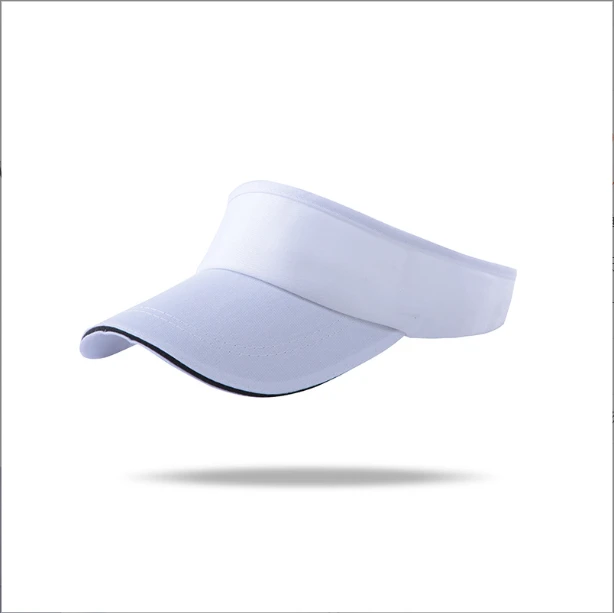
If you're looking for a durable, moisture - wicking running visor, you can check out our Best Sun Running Visor, which is made with high - quality polyester.
Cotton
Cotton is a natural fiber that's been used in clothing for ages. It's soft and comfortable against the skin, which is a huge plus for runners. If you have sensitive skin, a cotton running visor might be the best choice for you. It won't irritate your forehead or cause any itching.
Cotton also has good breathability. It allows air to circulate, which helps keep your head cool. This is great for runs in warm weather. You'll feel less hot and sticky compared to wearing a visor made of a less breathable material.
But cotton does have some downsides. It absorbs a lot of water, which means it can get heavy when you sweat. A wet cotton visor can feel cumbersome and might even start to sag. It also takes longer to dry than polyester, so if you're running multiple times a day or in a hurry to get your visor dry after a wash, cotton might not be the best option.
Our Best Running Visor For Sweat offers a cotton option for those who prioritize comfort and breathability.
Nylon
Nylon is another synthetic material commonly used in running visors. It's incredibly lightweight, which is a major advantage for runners. You'll barely notice you're wearing it, and it won't add any extra weight to slow you down.
Nylon is also very strong and resistant to abrasion. It can withstand a lot of wear and tear, making it a great choice for runners who are rough on their gear. Whether you're running through bushes or accidentally dropping your visor, nylon will hold up well.
Like polyester, nylon has good moisture - wicking properties. It can quickly move sweat away from your skin, keeping you dry. And it dries very fast, so you don't have to wait long before you can use it again.
The main drawback of nylon is that it can be a bit more expensive than some other materials. Also, similar to polyester, it might not be as breathable in extremely hot conditions.
Spandex
Spandex, also known as Lycra, is often blended with other materials in running visors. It's famous for its stretchiness. When spandex is added to a visor, it allows the visor to fit snugly on your head without feeling too tight. It can adapt to different head shapes and sizes, providing a customized fit.
This stretchy quality also means that the visor won't easily fall off during your run. Whether you're doing high - intensity sprints or running on uneven terrain, a visor with spandex will stay in place.
However, spandex doesn't have great moisture - wicking or breathability on its own. That's why it's usually combined with other materials like polyester or nylon.
Mesh
Mesh is a lightweight, breathable material that's often used in the construction of running visors, especially in the crown or the back of the visor. It consists of a network of small holes that allow air to flow freely. This helps to keep your head cool and reduces the build - up of heat and sweat.
Mesh is also very flexible, which makes the visor more comfortable to wear. It can conform to the shape of your head without restricting movement.
The downside of mesh is that it might not be as durable as some other materials. It can snag or tear more easily, especially if it comes into contact with sharp objects.
Our Baseball Cap Sun Visor features a mesh panel for enhanced breathability.
Microfiber
Microfiber is a synthetic material that's made up of extremely fine fibers. It's known for its softness and its ability to absorb and hold a large amount of moisture. A microfiber running visor can soak up sweat quickly and keep it away from your eyes.
Microfiber is also very lightweight and dries rapidly. It's easy to clean and maintain, and it doesn't lose its shape easily.
One potential issue with microfiber is that it can attract lint and dust. But a simple wash usually takes care of this problem.
Neoprene
Neoprene is a synthetic rubber material that's sometimes used in running visors, especially those designed for more extreme conditions. It's water - resistant, which means it can keep your head dry in light rain or when you're running through wet grass.
Neoprene is also very flexible and can provide a good fit. It can be molded to the shape of your head, offering a secure and comfortable wearing experience.
However, neoprene isn't very breathable. It can make your head feel hot and sweaty, so it's not the best choice for long runs in warm weather.
When choosing a running visor, it's important to consider your specific needs. If you run in hot and humid conditions, a visor made of a breathable material like cotton or mesh might be best. For long - distance runs where moisture management is crucial, polyester or microfiber could be the way to go. And if you need a visor that stays in place during high - intensity workouts, a visor with spandex is a great option.
As a running visor supplier, I'm always here to help you find the perfect visor for your running adventures. Whether you have questions about the materials, the fit, or the design, feel free to reach out. We can also discuss bulk orders if you're interested in purchasing running visors for a team or an event. Let's start a conversation and find the best running visor solution for you!
References
- Textile Institute. (2023). Handbook of Textile Fibres. Woodhead Publishing.
- Sports Equipment and Technology International. (2023). Annual Report on Running Gear Materials.