

When it comes to maintaining the pristine appearance of a Winter Plaid Beret, ironing is a crucial step. As a supplier of Winter Plaid Beret, I often receive inquiries about the appropriate ironing temperature. In this blog, I will delve into the science behind ironing a Winter Plaid Beret and provide you with the optimal temperature to ensure your beret looks its best.
Understanding the Fabric of Winter Plaid Berets
Winter Plaid Berets are typically made from a variety of materials, each with its own unique properties and ironing requirements. The most common materials used in these berets include wool, cotton, and blends of the two.
- Wool: Wool is a natural fiber known for its warmth, softness, and durability. It is also prone to shrinking and felting if exposed to high temperatures or excessive moisture. When ironing a wool Winter Plaid Beret, it is important to use a low to medium heat setting and to avoid direct contact with the iron.
- Cotton: Cotton is a breathable and absorbent fabric that is easy to care for. It can withstand higher temperatures than wool, but it is still important to use caution when ironing to prevent scorching or burning.
- Blends: Many Winter Plaid Berets are made from blends of wool and cotton, which combine the best properties of both materials. When ironing a blend beret, it is important to follow the care instructions for the dominant fiber in the blend.
Determining the Optimal Ironing Temperature
The optimal ironing temperature for a Winter Plaid Beret depends on the material of the beret and the type of iron you are using. Here are some general guidelines to help you determine the appropriate temperature:
- Wool Berets: For wool berets, it is recommended to use a low to medium heat setting, typically between 110°C and 150°C (230°F and 300°F). You can also use a steam iron on a low setting to help relax the fibers and remove wrinkles.
- Cotton Berets: Cotton berets can withstand higher temperatures than wool berets. You can use a medium to high heat setting, typically between 150°C and 200°C (300°F and 390°F). However, it is still important to test a small, inconspicuous area of the beret first to ensure that the fabric does not scorch or burn.
- Blend Berets: If your Winter Plaid Beret is made from a blend of wool and cotton, it is best to follow the care instructions for the dominant fiber in the blend. If the blend contains more wool, use a lower heat setting. If the blend contains more cotton, you can use a slightly higher heat setting.
Tips for Ironing a Winter Plaid Beret
In addition to using the appropriate ironing temperature, there are several other tips you can follow to ensure that your Winter Plaid Beret looks its best:
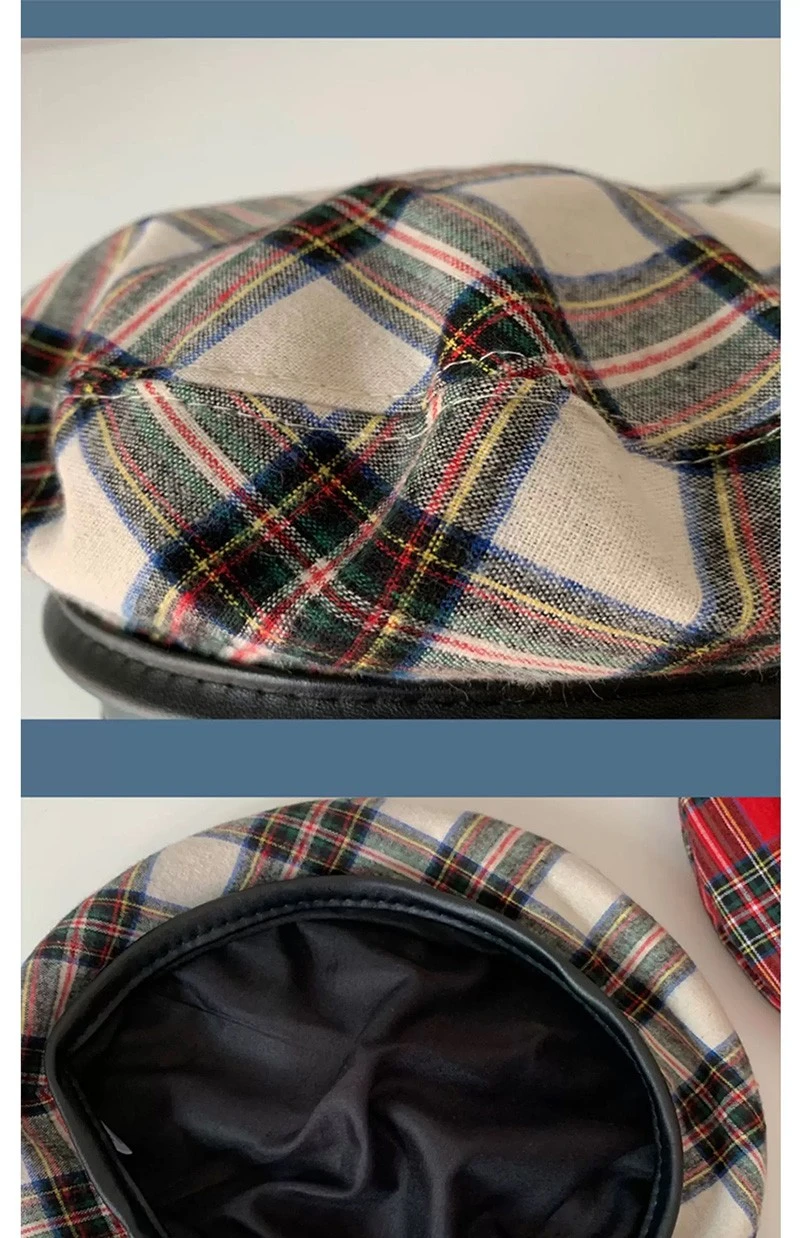
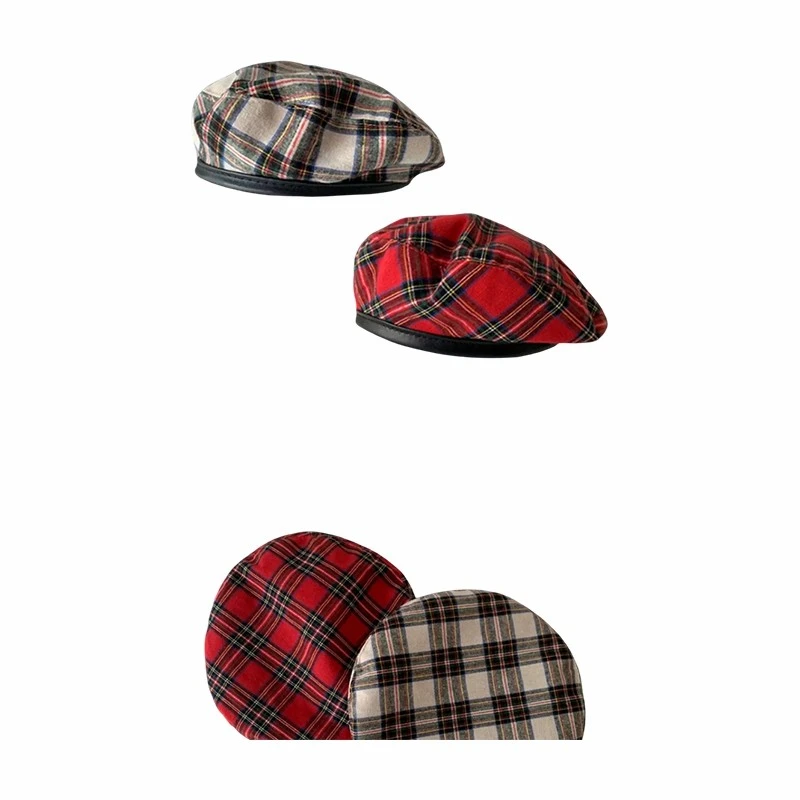
- Use a Pressing Cloth: To protect the fabric of your beret from direct contact with the iron, place a clean, white cotton cloth over the beret before ironing. This will help prevent scorching, burning, and discoloration.
- Iron on the Reverse Side: Whenever possible, iron your beret on the reverse side to avoid damaging the front of the fabric. This is especially important for berets with delicate patterns or embellishments.
- Avoid Over-Ironing: Over-ironing can cause the fibers of the fabric to break down and lose their shape. To prevent this, only iron your beret when necessary and avoid applying too much pressure or heat.
- Let the Beret Cool Completely: After ironing, let your beret cool completely before wearing or storing it. This will help the fibers set in their new shape and prevent wrinkles from reappearing.
The Importance of Proper Care
Proper care is essential for maintaining the quality and appearance of your Winter Plaid Beret. In addition to ironing, there are several other steps you can take to keep your beret looking its best:
- Store Your Beret Properly: When not in use, store your beret in a cool, dry place away from direct sunlight. You can also use a hat box or a beret stand to help maintain its shape.
- Clean Your Beret Regularly: Depending on how often you wear your beret, you may need to clean it every few weeks or months. Follow the care instructions on the label of your beret to determine the best cleaning method.
- Avoid Excessive Moisture: Moisture can cause the fibers of the fabric to shrink, stretch, or mildew. To prevent this, avoid wearing your beret in wet or humid conditions and dry it thoroughly if it gets wet.
Conclusion
Ironing a Winter Plaid Beret requires careful consideration of the fabric type and the appropriate ironing temperature. By following the guidelines outlined in this blog, you can ensure that your beret looks its best and lasts for years to come. As a supplier of Winter Plaid Beret, I am committed to providing high-quality products and excellent customer service. If you have any questions or need further assistance with ironing or caring for your beret, please do not hesitate to contact me. I would be happy to help you find the perfect beret for your style and needs.
If you're interested in purchasing our Winter Plaid Berets in bulk, we welcome you to reach out for a procurement discussion. Our berets are not only stylish but also of high quality, suitable for both individual wear and retail purposes. Whether you're a fashion retailer looking to expand your Beret Hat Fashion Women collection or an event organizer in need of Classic Beret Hats For Women, we can offer you competitive prices and reliable service. Contact us today to start the conversation!
References
- Textile Institute. (Year). Handbook of Textile Fibre Structure. Woodhead Publishing.
- Consumer Reports. (Year). Clothing Care Guide. Consumer Reports Publications.