

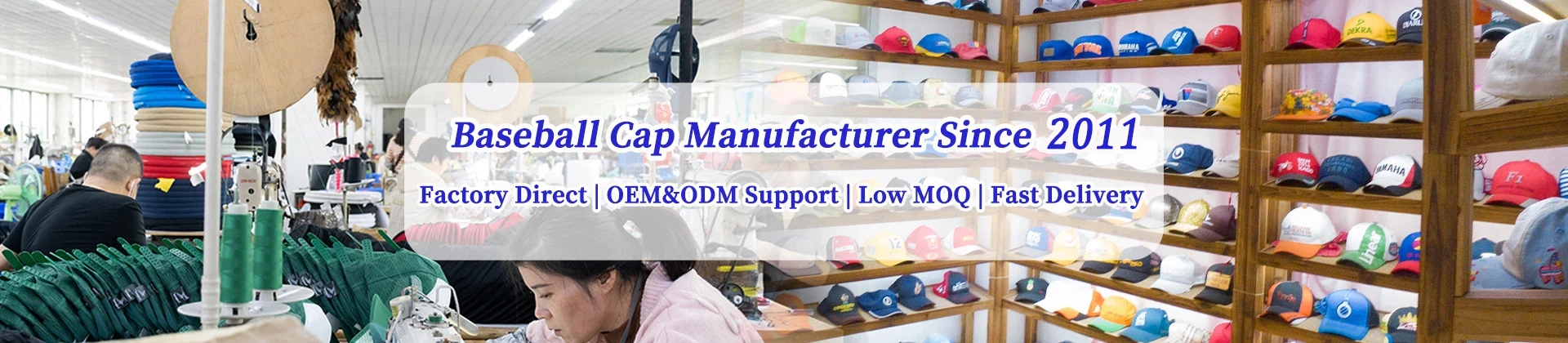
A bucket hat may look like a simple fashion accessory, but producing a high-quality bucket hat requires careful planning, skilled craftsmanship, and strict quality control.
From selecting the right fabric to creating the final finished product, every step affects the hat's appearance, comfort, durability, and overall value.
For consumers, understanding how bucket hats are made provides a better idea of what makes one hat different from another.
For fashion brands, retailers, and businesses looking for a reliable bucket hat manufacturer, knowing the production process helps them make better decisions when developing custom headwear collections.
In this guide, we will explain the complete bucket hat manufacturing process, from design development to final inspection.
Step 1: Design Development and Product Planning
Every bucket hat production process starts with a clear design concept.
Before manufacturing begins, designers and manufacturers need to confirm important details, including:
Hat shape
Crown height
Brim width
Fabric type
Size requirements
Decoration method
Target market
Although bucket hats have a simple appearance, small design changes can create very different wearing effects.
For example, a wider brim creates a stronger outdoor style, while a smaller brim creates a more casual fashion look.
For brands developing custom bucket hats, the design stage is especially important because it determines how the final product represents the brand identity.
A professional manufacturer will usually review the design carefully and suggest improvements based on production experience.
Step 2: Choosing the Right Materials for Bucket Hats
Material selection plays a major role in the quality and performance of a bucket hat.
Different fabrics create different customer experiences.
Cotton Bucket Hats
Cotton is one of the most common materials used in bucket hat production.
Advantages include:
Soft texture
Comfortable wearing experience
Breathability
Natural appearance
Cotton bucket hats are popular among lifestyle brands and everyday fashion collections.
Denim Bucket Hats
Denim materials create a stronger visual identity.
They are often used for:
Streetwear collections
Casual fashion brands
Youth-oriented products
The unique appearance of denim helps brands create products with a more recognizable style.
Polyester and Functional Fabrics
For outdoor-focused products, manufacturers may choose polyester or other technical fabrics.
These materials can provide:
Lightweight construction
Better durability
Quick-drying performance
They are often used for outdoor bucket hats designed for travel and outdoor activities.


Step 3: Pattern Making and Fabric Cutting
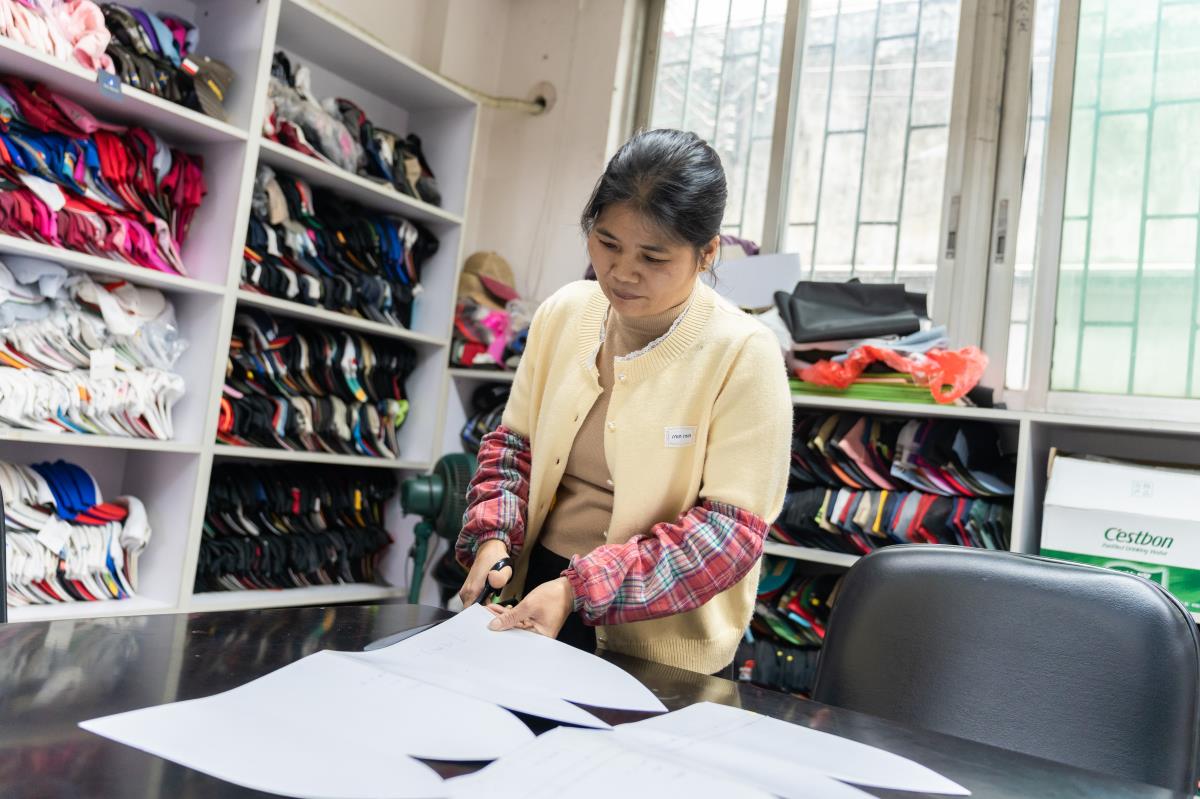
After the design and materials are confirmed, manufacturers create production patterns.
A bucket hat usually consists of several main components:
Crown panels
Brim sections
Inner sweatband
Labels or additional components
The pattern determines the final structure and size of the hat.
During cutting, fabric pieces must be prepared accurately.
Professional factories use experienced workers and proper cutting methods to ensure:
Consistent sizing
Efficient material usage
Stable production quality
Small cutting mistakes can affect the final shape, so this step requires attention to detail.
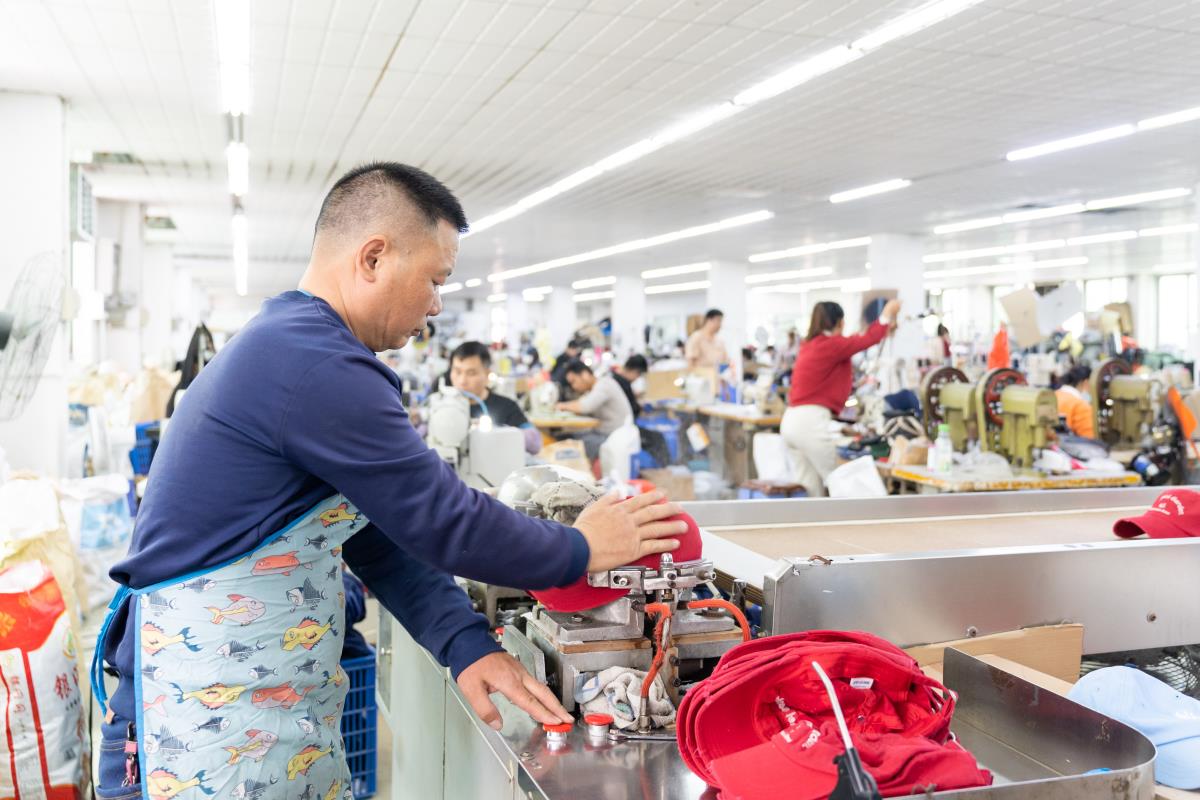
Step 4: Sewing the Bucket Hat Structure
Sewing is one of the most important stages in bucket hat production.
The quality of stitching directly influences the durability and appearance of the finished product.
Joining the Crown Panels
The crown is created by connecting multiple fabric pieces together.
Workers need to ensure:
Correct alignment
Clean seams
Stable structure
A well-made crown helps the bucket hat maintain its shape during wearing.
Attaching the Brim
The brim gives the bucket hat its recognizable silhouette.
Different brim designs create different styles:
Soft brim for relaxed fashion
Structured brim for a stronger shape
The sewing process must maintain balance between appearance and comfort.
Adding Inner Components
Many bucket hats include additional internal details, such as:
Sweatbands
Size labels
Brand labels
Inner lining
These details improve wearing comfort and provide opportunities for brand customization.
Step 5: Adding Custom Branding and Design Elements
For brands and businesses, customization is often the most important part of bucket hat production.
A professional custom bucket hats manufacturer can provide different branding solutions.
Embroidery
Embroidery is widely used for:
Logos
Brand names
Decorative patterns
It creates a premium and long-lasting appearance.
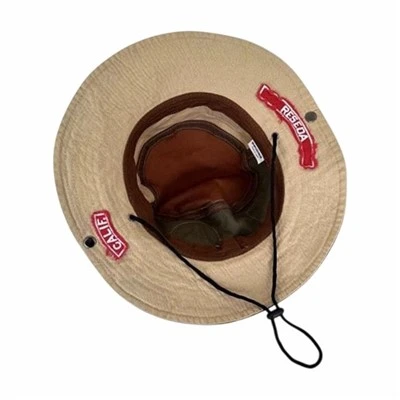
Patches
Custom patches are popular among:
Streetwear brands
Outdoor companies
Lifestyle labels
They provide a unique visual effect and help products stand out.
Custom Labels and Packaging
For private label projects, brands may also customize:
Woven labels
Hang tags
Packaging bags
Retail packaging
These details help create a complete brand experience.
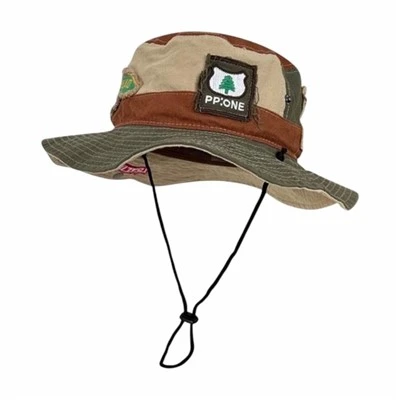
Step 6: Quality Inspection and Final Checking
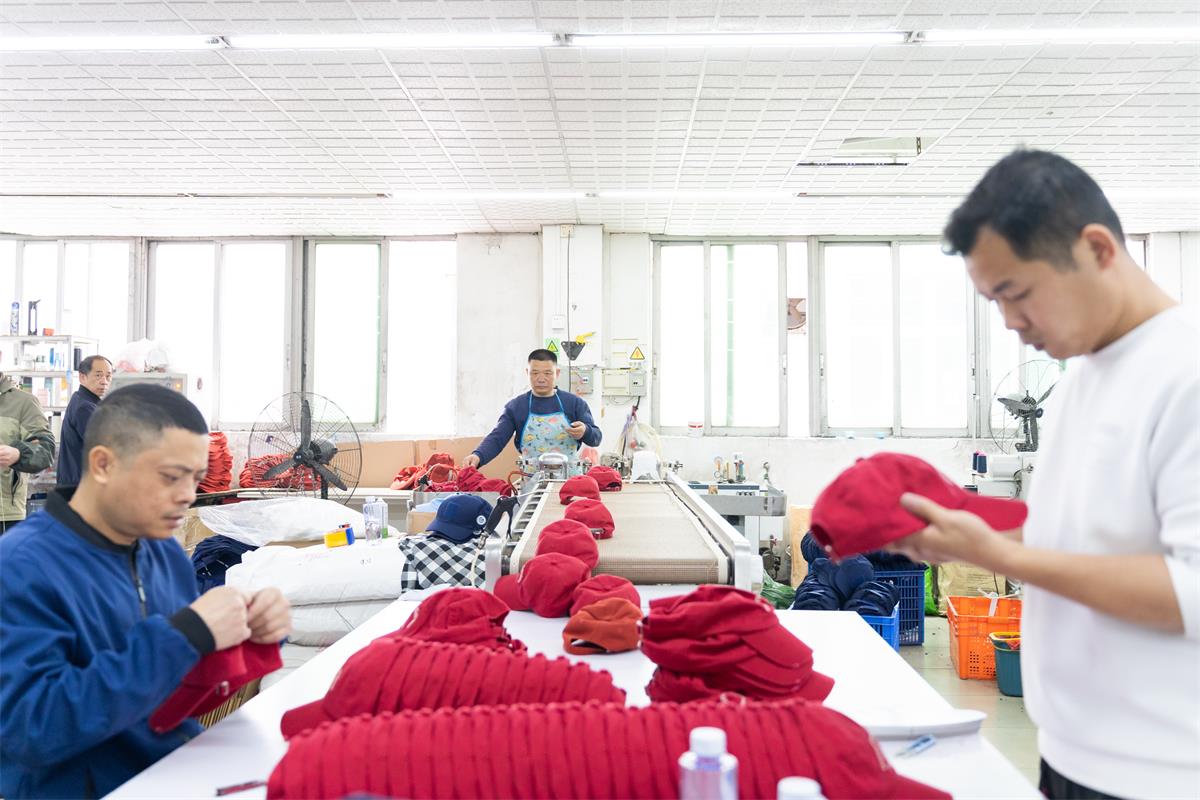
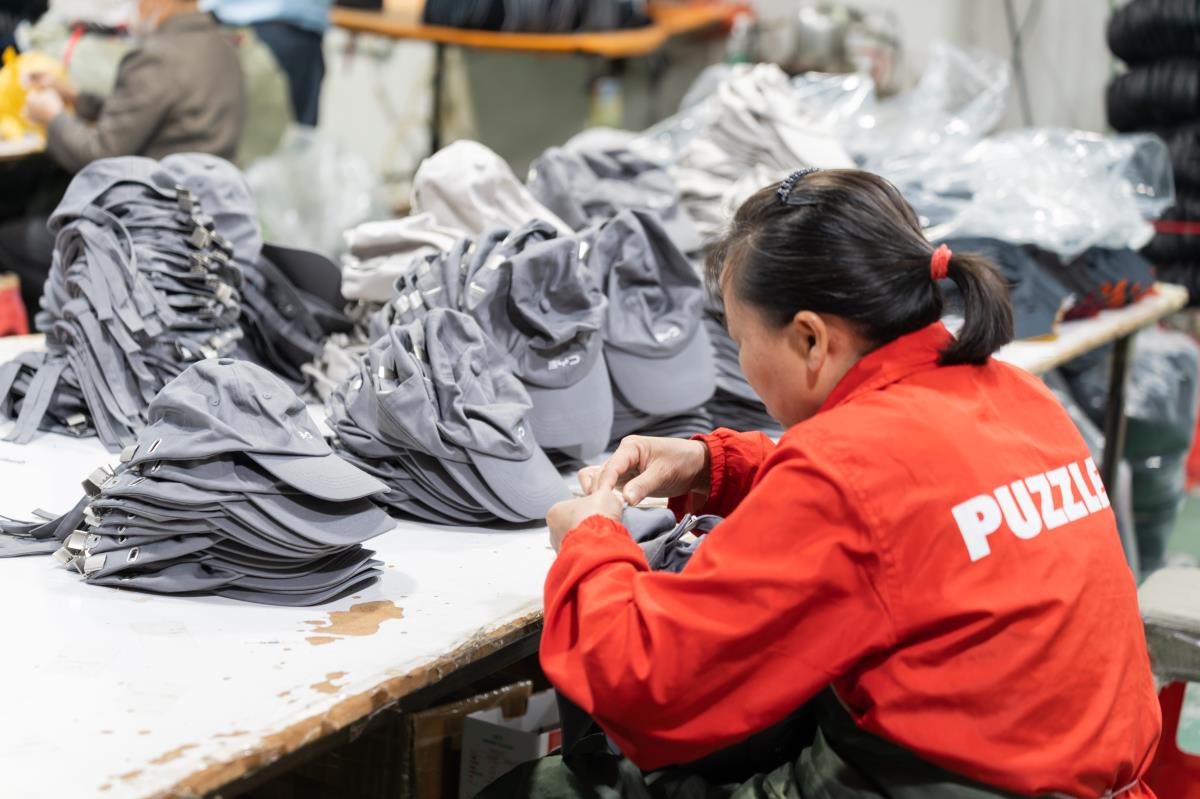
Before shipping, finished bucket hats must go through quality inspection.
A reliable manufacturer checks multiple areas.
Stitching Quality
Inspectors check for:
Loose threads
Uneven seams
Weak stitching points
Size and Shape Accuracy
Consistency is especially important for wholesale orders.
Every batch should maintain the same:
Measurements
Shape
Construction quality
Appearance Inspection
The final product is checked for:
Fabric defects
Color differences
Decoration accuracy
Overall appearance
Quality control helps reduce customer complaints and protects brand reputation.
Step 7: Packaging and Shipping Preparation
After inspection, products are prepared for shipment.
Packaging methods depend on customer requirements.
Options may include:
Individual poly bags
Custom packaging
Carton packing
Retail-ready solutions
For international buyers ordering wholesale bucket hats, proper packaging helps protect products during transportation.

How Long Does It Take to Manufacture Bucket Hats?
The production timeline depends on several factors:
Design complexity
Material availability
Sample approval speed
Order quantity
Customization requirements
A typical custom production process includes:
Design confirmation
Material preparation
Sample development
Customer approval
Bulk production
Quality inspection
Shipping arrangement
Working with an experienced supplier can make the process smoother and reduce unnecessary delays.
Why Choosing the Right Bucket Hat Manufacturer Matters
The final quality of a bucket hat depends heavily on the manufacturer's experience and production system.
A reliable supplier should provide:
Manufacturing Experience
Experienced factories understand:
Material characteristics
Production challenges
Quality requirements
This helps prevent problems during development.
Custom Development Ability
For brands, customization capability is essential.
A professional supplier should support:
OEM projects
ODM designs
Private label bucket hats
Custom branding solutions
Stable Quality Control
Consistency is especially important for wholesale buyers.
A good manufacturer should have clear production standards to ensure every order meets expectations.
From Fabric to Finished Product: The Complete Bucket Hat Journey
A bucket hat may appear simple, but behind every finished product is a detailed manufacturing process.
From selecting materials and creating patterns to sewing, customization, and quality inspection, every step contributes to the final result.
For consumers, understanding how bucket hats are made helps them recognize product quality.
For brands and retailers, choosing the right bucket hat supplier can make a significant difference in product development, customer satisfaction, and long-term business growth.
Whether creating a fashion collection, launching a private label brand, or ordering wholesale headwear, understanding the manufacturing process is the first step toward building better products.