

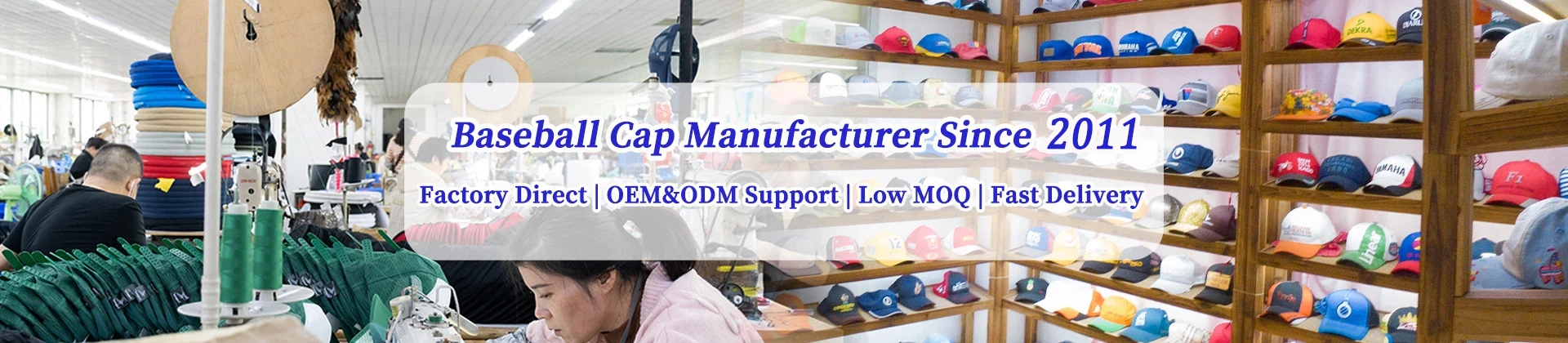


Introduction: Understanding the Real Cost to Manufacture a Hat
If you are searching for "how much does it cost to manufacture a hat," you are probably planning to launch a hat brand, develop a new collection, or source custom hats from a professional manufacturer.
The truth is that hat manufacturing costs vary widely depending on materials, design complexity, order quantity, decoration methods, and production location.
As a professional hat manufacturer, supplier, and OEM factory in China, Wanjia Hat Factory provides custom hat production solutions for global brands, wholesalers, and distributors. We help customers understand every cost factor before starting production, from fabric selection and logo customization to bulk manufacturing and quality control.
A basic blank hat may cost only a few dollars, while a premium customized hat with special fabrics, embroidery, packaging, and complex construction can cost significantly more.
Understanding these costs helps buyers avoid unexpected expenses and choose the right manufacturing strategy.
What Is the Average Cost to Manufacture a Hat?
The average cost to manufacture a hat depends mainly on the product category and customization requirements.
For bulk production, the typical manufacturing price range is:
| Hat Type | Average Manufacturing Cost (Bulk Order) |
|---|---|
| Basic baseball cap | $2.00 – $5.00 |
| Custom embroidered baseball cap | $1.00 – $3.00 |
| Premium golf cap | $5.00 – $10.00 |
| Custom bucket hat | $2.50 – $8.00 |
| Trucker hat | $2.00 – $8.00 |
| Luxury fashion hat | $10.00 – $30.00+ |
These prices are factory production costs and usually depend on:
- Order quantity
- Fabric quality
- Logo method
- Hat structure
- Accessories
- Packaging requirements
- Manufacturing location
For example, producing 1,000 simple cotton baseball caps will have a much lower unit cost than producing 300 premium golf caps with waterproof fabric, custom sweatbands, woven labels, and luxury packaging.
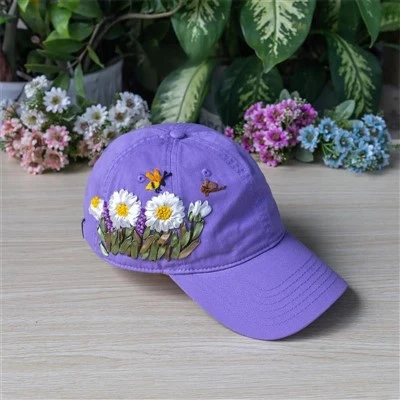
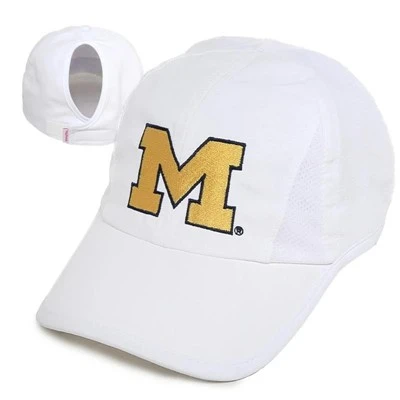
The Main Factors That Affect Hat Manufacturing Cost
1. Fabric and Material Selection
Material is one of the biggest factors affecting the cost of manufacturing a hat.
Different fabrics create different production costs, durability, and market positioning.
Common hat materials include:
| Material | Features | Cost Level |
| Cotton Twill | Comfortable, breathable, classic | Medium |
| Polyester | Lightweight, quick-dry, durable | Low-Medium |
| Nylon | Water-resistant, outdoor performance | Medium-High |
| Wool Blend | Premium appearance, warm | High |
| Organic Cotton | Sustainable, eco-friendly | High |
| Denim | Fashion-focused, durable | Medium-High |
For example:
A standard cotton dad hat may use 100% cotton twill at around 200–260 GSM.
However, a premium outdoor hat may require:
- Technical polyester fabric
- UV protection coating
- Water-resistant finishing
- Moisture-wicking sweatband
These additional materials increase manufacturing costs but also improve product value.


Hat Construction and Design Complexity
Not all hats require the same amount of labor.
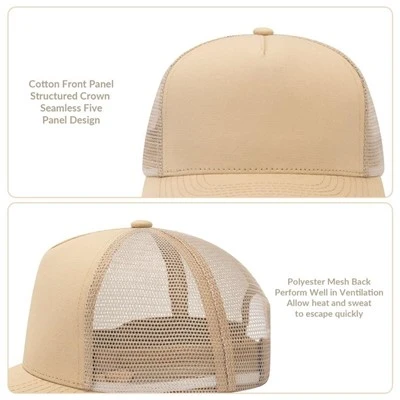
A simple five-panel cap is easier to manufacture than a structured six-panel sports cap with multiple reinforcement layers.
Important construction factors include:
Crown Structure
A hat can be:
Unstructured
Soft crown
Semi-structured
High-profile structured
Structured hats usually require:
Front panel reinforcement
Buckram or fusible backing
Additional stitching
More production time
This increases labor costs.
Number of Panels
More panels usually mean more cutting and sewing processes.
Examples:
| Design | Production Difficulty |
|---|---|
| 5-panel cap | Medium |
| 6-panel baseball cap | Medium |
| Multi-panel outdoor hat | High |
| Reversible bucket hat | High |
A reversible bucket hat requires double fabric cutting, additional sewing, and more quality inspection compared with a standard bucket hat.
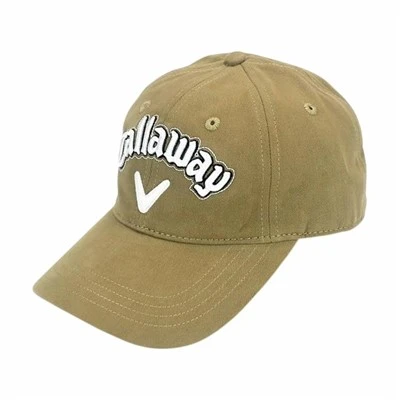
Logo Decoration Method
Logo customization is another major cost factor.
Different decoration methods have different pricing.
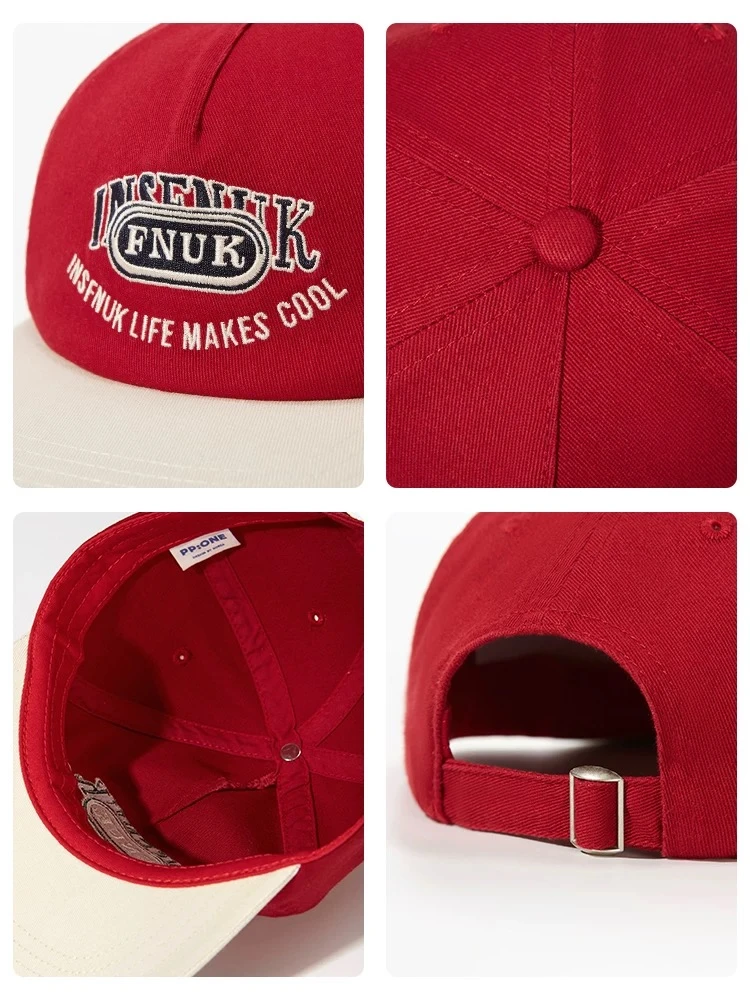
Embroidery
Embroidery is one of the most popular methods for premium hats.
Cost depends on:
Stitch count
Logo size
Number of colors
Embroidery position
Typical applications:
Front logo
Side embroidery
Back embroidery
A simple 5,000-stitch logo costs much less than a detailed 30,000-stitch artwork.
Printing
Printing is suitable for:
- Large artwork
- Fashion designs
- Promotional hats
- Common methods include:
- Screen printing
- Heat transfer printing
- Sublimation printing
- All-over printing
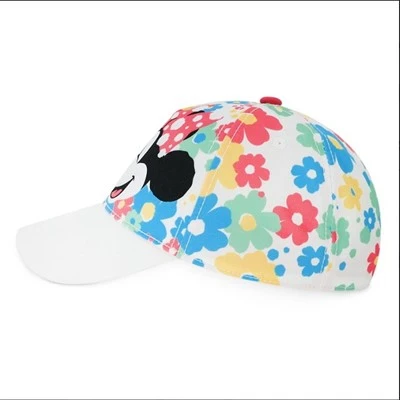
Sublimation printing is especially popular for polyester hats because it allows:
- Full-color designs
- Photo-quality patterns
- Unlimited creativity
Woven Labels and Accessories
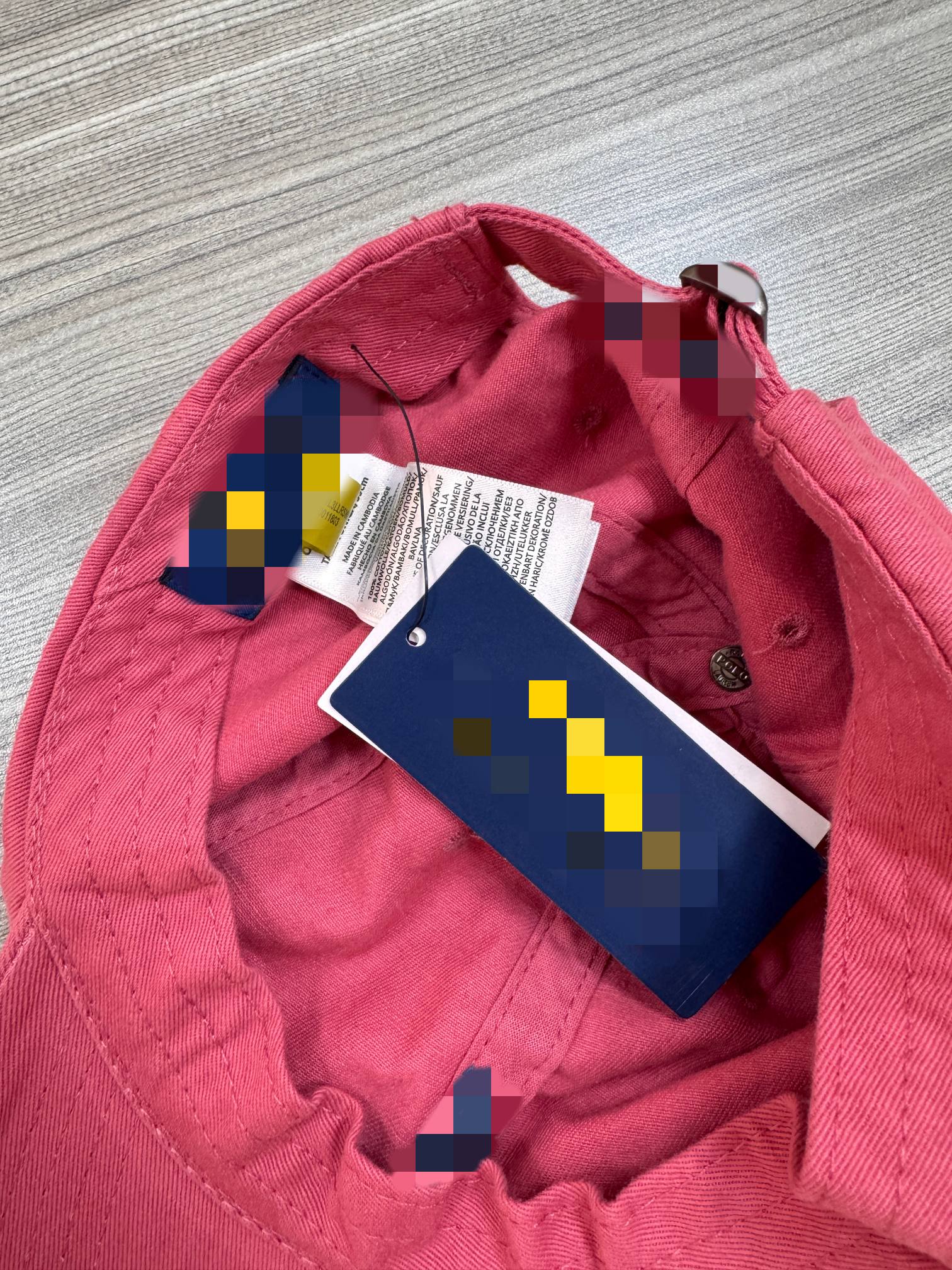
Many brands require additional customization:
Custom woven labels
Hang tags
Metal buckles
Leather patches
Custom packaging
These details create a premium brand experience but add extra costs.
Order Quantity and MOQ
One of the biggest misunderstandings among new buyers is why small orders have higher prices.
The reason is simple:
Manufacturing has fixed costs.
Before producing hats, factories need to prepare:
- Pattern development
- Material purchasing
- Machine setup
- Sample creation
- Production planning
When these costs are divided into a small quantity, the unit price becomes higher.
Example:
| Quantity | Estimated Unit Cost |
|---|---|
| 50 pcs | $10–15/pc |
| 100 pcs | $5–10/pc |
| 200 pcs | $2.5–6/pc |
| 300 pcs+ | $1.5–4/pc |
For brands testing the market, starting with a smaller MOQ may be better.
For established brands, larger orders provide better pricing advantages.
How a Brand Can Reduce Hat Production Costs
Many new brands focus only on getting the lowest factory price.
However, experienced buyers focus on total product value.
For example:
A startup brand wants to produce 500 custom baseball caps.
- Initial requirements:
- Premium cotton fabric
- Complex embroidery
- Custom packaging
- Metal buckle
- Individual poly bags
Estimated cost:
$8.50 per hat
After consulting with the factory, adjustments are made:
Use optimized cotton fabric
Reduce embroidery stitch density
Simplify packaging
Keep premium visual elements
New cost:
$5.80 per hat
The product still looks premium, but production cost decreases by more than 30%.
A professional OEM supplier does not simply lower prices. A good factory helps customers optimize product design.
Why Work With an OEM Hat Manufacturer in China?
For international brands, choosing the right manufacturing partner is just as important as controlling production costs.
China remains one of the world's largest apparel and accessory manufacturing hubs because factories have mature supply chains, skilled workers, and extensive customization capabilities.
A professional OEM hat supplier in China can help brands manage:
- Material sourcing
- Prototype development
- Custom logo production
- Bulk manufacturing
- Quality inspection
- Export packaging
At Wanjia Hat Factory, we work with overseas brands, wholesalers, and promotional companies to develop custom hats based on their market positioning and budget requirements.
Instead of offering only standard products, an experienced factory can recommend:
Alternative fabrics with better cost performance
More efficient production methods
Suitable decoration techniques
Better packaging solutions
This allows brands to achieve a balance between quality, price, and market competitiveness.
Complete Breakdown: Where Does Your Hat Manufacturing Budget Go?
Many buyers only see the final unit price, but professional production includes multiple cost components.
| Cost Category | Approximate Percentage |
| Fabric & Materials | 25–40% |
| Labor & Sewing | 20–35% |
| Decoration (Embroidery/Printing) | 10–20% |
| Accessories | 5–10% |
| Quality Control | 5–10% |
| Packaging | 3–8% |
| Factory Management & Overhead | 5–10% |
The exact percentage changes depending on the product type.
For example:
A premium golf hat may spend more on technical fabric and functional accessories.
A fashion bucket hat may spend more on fabric design, printing, and finishing details.
The Custom Hat Manufacturing Process and Cost Stages
Understanding the production process helps buyers estimate their investment more accurately.
Step 1: Product Design and Specification Confirmation
Before production starts, the factory reviews:
Hat style
Measurements
Fabric requirements
Color options
Logo placement
Accessories
Packaging
A detailed specification sheet prevents mistakes and reduces unnecessary revisions.
Professional buyers usually prepare:
Reference images
Logo files
Size requirements
Material preferences
Target quantity
Step 2: Sample Development
A sample allows customers to check:
Shape
Size
Fabric feeling
Logo appearance
Sewing quality
Overall design
Sample costs usually include:
Material preparation
Labor
Machine setup
Decoration setup
Although samples create an additional cost, they reduce risks before mass production.
A typical custom hat sample takes:
7–15 working days
depending on complexity.
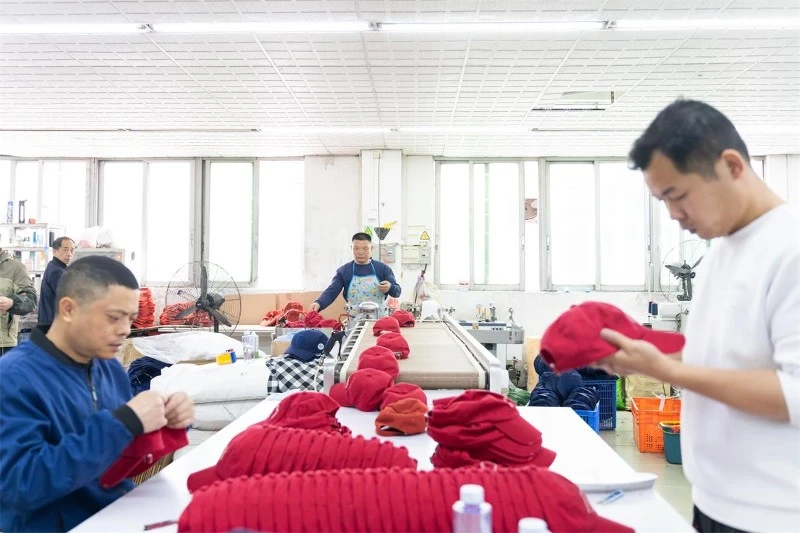
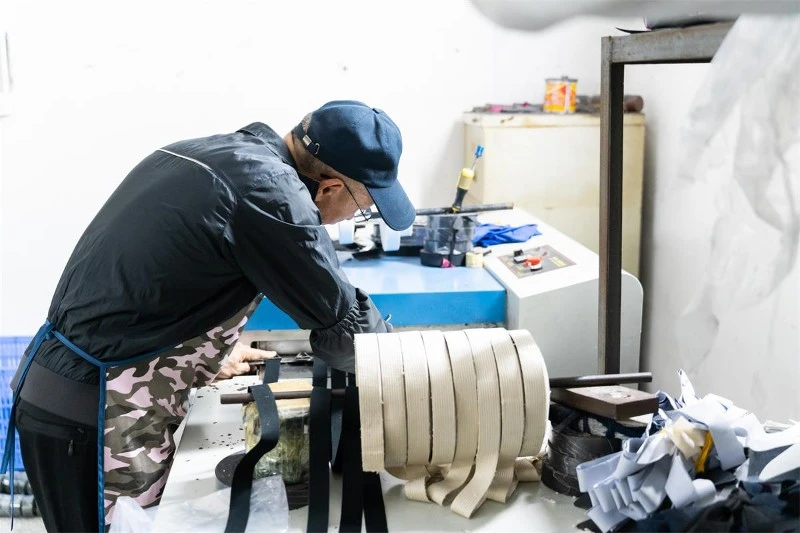
Step 3: Bulk Production
After sample approval, factories begin mass production.
The production process usually includes:
Fabric inspection
Fabric cutting
Logo decoration
Sewing
Brim shaping
Quality inspection
Packaging
A reliable factory monitors quality throughout the process instead of checking only finished products.

Practical Steps to Estimate Your Hat Manufacturing Budget
Before requesting a quotation, buyers can prepare the following information.
Step 1: Define Your Target Market
Ask:
Is this a premium fashion product?
A promotional giveaway?
A sports product?
An outdoor performance hat?
Different markets require different materials and construction.
Step 2: Select Your Hat Style
Common options include:
Baseball caps
Dad hats
Snapback hats
Bucket hats
Trucker hats
Golf visors
Outdoor sun hats
Each style has different manufacturing requirements.
Step 3: Decide Your Customization Level
Basic customization:
✔ Custom color
✔ Simple logo embroidery
✔ Standard packaging
Premium customization:
✔ Custom fabric
✔ Special washing process
✔ Multiple embroidery locations
✔ Custom labels
✔ Retail packaging
More customization increases cost but improves brand recognition.
Step 4: Prepare Your Production Quantity
Before contacting a factory, estimate:
First order quantity
Future order volume
Expected yearly demand
A factory can usually provide better pricing when they understand your long-term plan.

How Can Brands Reduce Custom Hat Manufacturing Costs?
Reducing cost does not mean choosing the cheapest materials.
Poor quality can damage your brand reputation.
Instead, smart cost control focuses on optimization.
1. Increase Order Quantity
Larger orders reduce:
Material waste
Setup costs
Labor preparation costs
For example:
Producing 1,000 pieces usually provides a much better unit price than producing 100 pieces.
2. Choose Cost-Effective Materials
A professional factory can recommend alternatives.
Example:
Instead of expensive imported fabric, a similar-quality local fabric may achieve the same appearance at a lower cost.
3. Simplify Unnecessary Details
Some details add cost but little customer value.
Examples:
Extremely complicated embroidery
Excessive accessories
Over-designed packaging
Focus investment on the elements customers notice most.
4. Develop Long-Term Factory Relationships
Brands that cooperate with the same manufacturer often receive advantages:
Faster communication
Better production planning
Stable quality
Improved pricing
A reliable supplier becomes a long-term production partner, not only a vendor.
Common Mistakes Buyers Make When Calculating Hat Manufacturing Costs
Mistake 1: Comparing Only Unit Prices
The cheapest quote is not always the best option.
A lower price may mean:
Lower fabric quality
Weak stitching
Poor shape retention
Limited quality control
Always compare:
Materials
Construction
Production standards
Factory experience
Mistake 2: Ignoring Additional Costs
The final landed cost may include:
Sample fees
Shipping
Import duties
Packaging
Inspection fees
A complete budget should include all expenses.
Mistake 3: Not Communicating Design Details Clearly
Incomplete specifications often create:
Incorrect samples
Production delays
Extra modification costs
Providing detailed information early saves both time and money.
The Future Trend of Hat Manufacturing Costs
The hat industry is changing rapidly.
Today, brands are paying more attention to:
- Demand is increasing for:
- Organic cotton
- Recycled polyester
- Eco-friendly packaging
Although these materials may cost more initially, they help brands build stronger market positioning.
Small-Batch Production
Many emerging brands prefer:
100–500 piece orders
Market testing
Limited collections
Flexible OEM factories are increasingly supporting smaller brands with customized solutions.
Premium Customization
Consumers are willing to pay more for:
Unique designs
Better materials
Personalized details
The future competition is not only about lower prices.
It is about creating products with stronger brand value.
How to Choose the Right Hat Manufacturer
Before selecting a supplier, check these important factors:
Manufacturing Experience
Look for factories experienced in producing:
Your hat category
Similar materials
Similar customization requirements
Production Capability
Ask about:
Monthly production capacity
Quality control system
Sample development ability
Export experience
Communication Quality
A reliable supplier should:
Understand your requirements
Provide clear quotations
Explain cost differences
Offer professional suggestions
Good communication prevents expensive mistakes.
Understanding the True Cost of Manufacturing a Hat
So, how much does it cost to manufacture a hat?
The answer depends on many factors:
- Hat style
- Material choice
- Design complexity
- Decoration method
- Order quantity
- Factory location
A basic custom hat may cost only a few dollars, while premium branded hats can require much higher investment.
For brands, wholesalers, and retailers, the goal should not simply be finding the lowest price.
The better strategy is choosing a reliable OEM hat manufacturer that can provide:
consistent quality + reasonable pricing + professional production support.
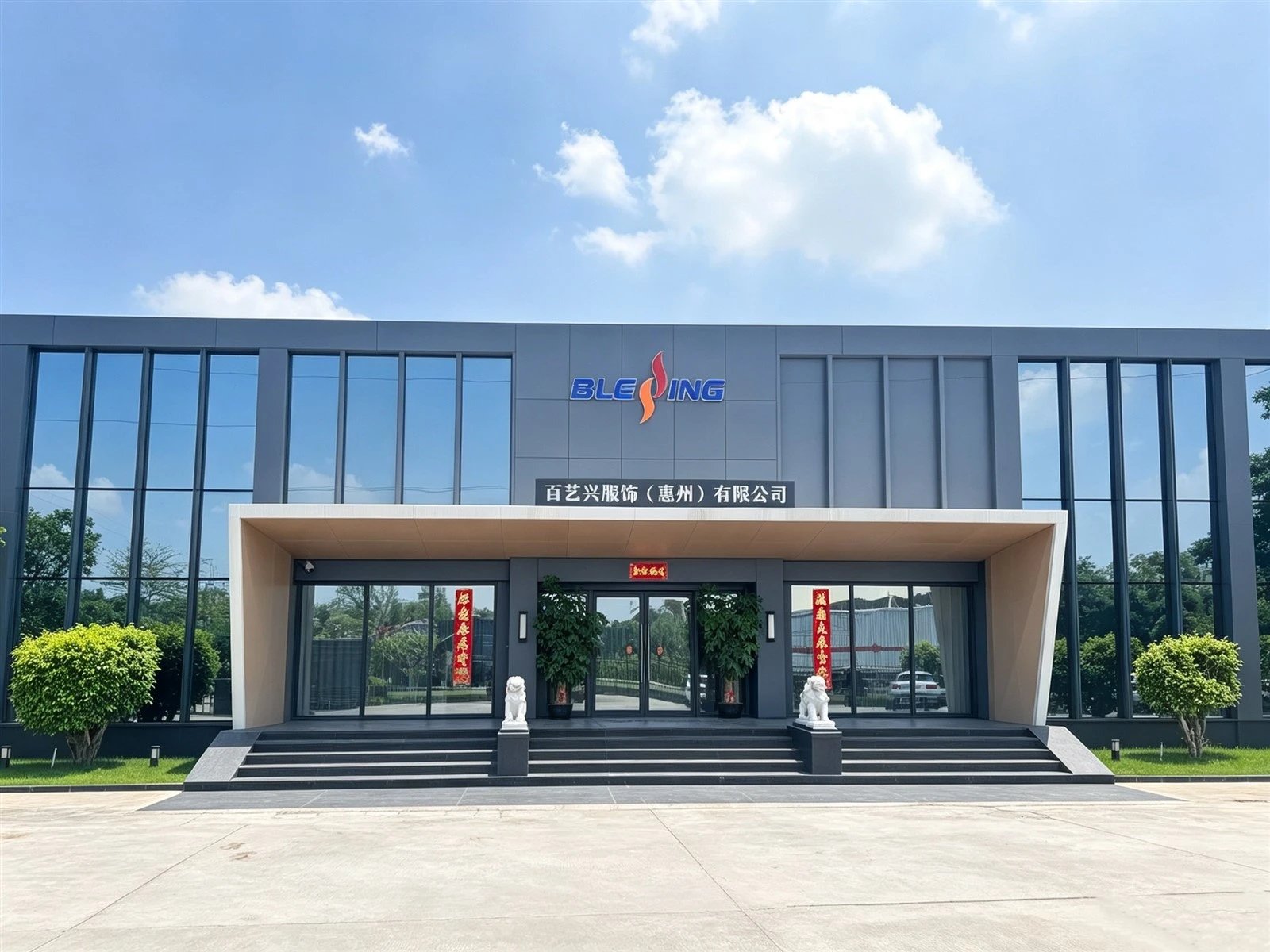
At Wanjia Hat Factory, we help global customers turn hat ideas into finished products through customized OEM and ODM manufacturing solutions.
FAQ
Q: 1. How Much Does It Cost To Manufacture A Custom Hat?
A: The cost of manufacturing a custom hat usually ranges from $2 to $10 per piece for bulk orders. Premium hats with special fabrics, embroidery, and packaging may cost more.
Q: 2. What Is The Minimum Order Quantity For Custom Hats?
A: MOQ depends on the factory and design requirements. Many manufacturers accept around 100–500 pieces per style, while larger orders usually receive better pricing.
Q: 3. Is It Cheaper To Manufacture Hats In China?
A: Yes. China offers competitive hat manufacturing costs because of mature supply chains, skilled workers, and large-scale production capabilities.
Q: 4. What Factors Increase Hat Production Costs The Most?
A: The biggest cost factors include:
Premium fabrics
Complex construction
High-density embroidery
Special accessories
Low order quantities
Q: 5. How Long Does It Take To Manufacture Custom Hats?
A: Typical production time is around 25–45 days after sample approval, depending on design complexity, quantity, and factory schedule.
Q: 6. Can I Order Custom Hats With My Own Logo?
A: Yes. Most OEM hat manufacturers provide customization options including:
Embroidery
Printing
Woven labels
Leather patches
Custom packaging
Q: 7. How Can I Get An Accurate Hat Manufacturing Quotation?
A: Provide the manufacturer with:
Hat style
Material requirements
Quantity
Logo artwork
Color requirements
Packaging needs
The more details provided, the more accurate the quotation will be.
References
International Trade Centre (ITC) – Trade Statistics and Apparel Industry Information
https://www.intracen.org/
Textile Exchange – Sustainable Materials and Textile Industry Reports
https://textileexchange.org/
American Apparel & Footwear Association (AAFA) – Apparel Industry Resources
https://www.aafaglobal.org/
International Labour Organization (ILO) – Textile and Garment Manufacturing Information
https://www.ilo.org/
World Trade Organization (WTO) – Global Trade Statistics
https://www.wto.org/