

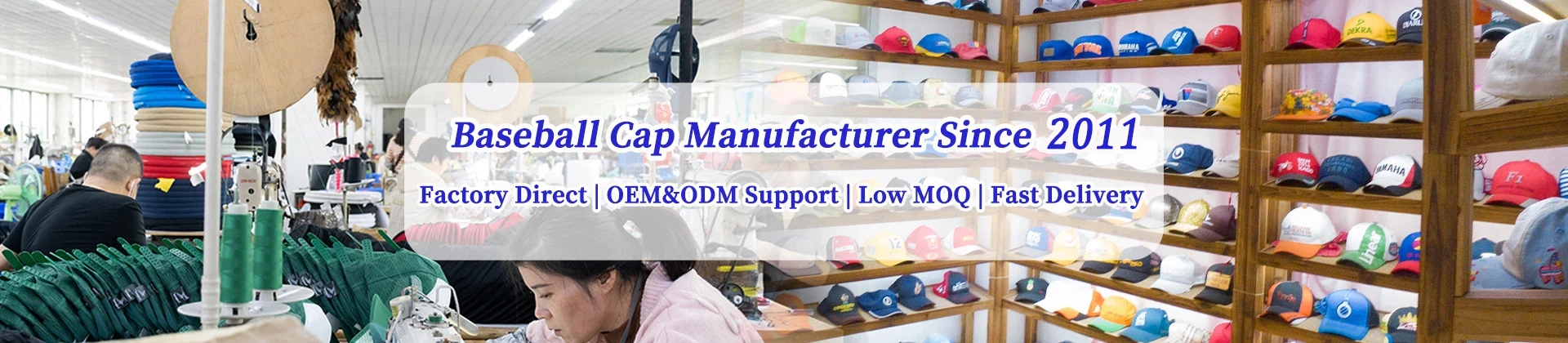

Creating a successful baseball cap is about much more than adding a logo to a standard design. Today's brands expect products that reflect their identity, meet customer expectations, and stand out in a competitive market. That's why OEM baseball cap customization has become the preferred solution for fashion brands, sports teams, retailers, promotional companies, and corporate organizations.
With OEM manufacturing, nearly every part of a baseball cap can be tailored to your requirements-from the fabric and color to the logo application, labels, and packaging. Understanding these customization options not only helps you create a unique product but also ensures better quality, stronger brand recognition, and a smoother production process.
In this guide, we'll explore the key elements of baseball cap customization and explain how each decision can influence the appearance, functionality, and value of your finished product.
What Is OEM Baseball Cap Customization?
OEM (Original Equipment Manufacturer) customization allows businesses to produce baseball caps based on their own specifications rather than purchasing standard, off-the-shelf products. Unlike simple logo printing, OEM production gives you greater control over the cap's materials, construction, branding details, and packaging.
For example, you can choose the type of fabric, the color of every component, the crown structure, visor shape, closure style, logo decoration, woven labels, hang tags, and even the shipping cartons used for delivery.
This level of flexibility is especially valuable for companies building a private label or launching a new product line. Every design choice contributes to a product that feels more consistent with your brand image and target market.
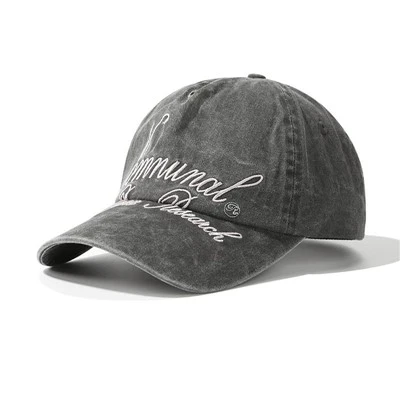
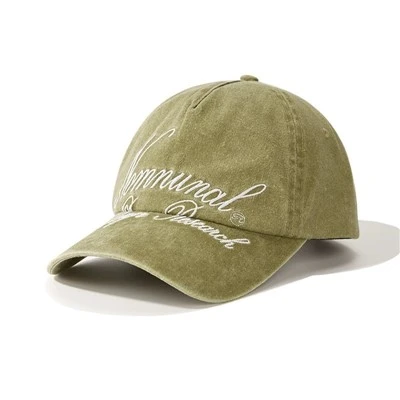
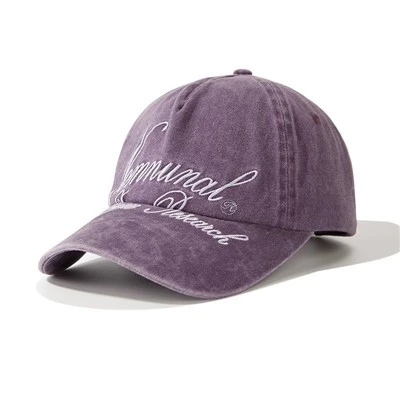
Why Customization Matters
A customized baseball cap does more than display a logo-it creates a complete brand experience.
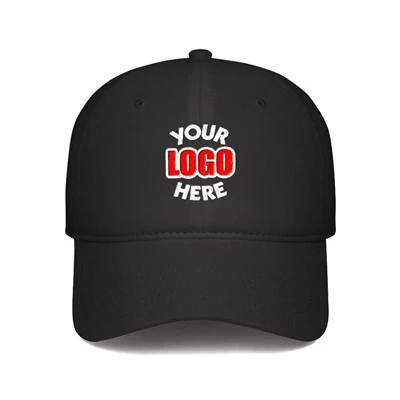
Imagine two black baseball caps placed side by side. One is a basic stock product with a printed logo. The other features premium cotton twill fabric, matching embroidery, custom interior labels, branded hang tags, and retail-ready packaging. Although both carry the same logo, the second cap communicates higher quality and leaves a stronger impression on customers.
Customization also allows businesses to adapt products for different markets. Outdoor brands may focus on lightweight, quick-drying materials, while fashion labels often prefer premium fabrics and detailed embroidery. Promotional companies, on the other hand, may prioritize affordability and fast production for large events.
Choosing the right combination of materials and finishing details helps ensure your cap not only looks professional but also meets the expectations of your target audience.
Choosing the Right Fabric
Fabric is one of the first decisions in any custom baseball cap project because it influences comfort, durability, appearance, and decoration quality.
Cotton
Cotton remains one of the most popular materials for everyday baseball caps. It feels soft, offers excellent breathability, and provides a comfortable wearing experience. Cotton is commonly selected for lifestyle brands, retail collections, and promotional merchandise where comfort is a priority.
Cotton Twill
Cotton twill is widely recognized as one of the best options for premium custom caps. Its diagonal weave creates a stronger structure and a smoother surface for embroidery, making it ideal for fashion brands and corporate uniforms. The fabric also holds its shape well, giving the cap a more refined appearance.
Polyester
Polyester is lightweight, durable, and dries quickly, making it a practical choice for sportswear and outdoor products. It performs well in active environments and maintains its color even after frequent use.
Recycled Materials
As sustainability becomes increasingly important, many businesses now choose recycled polyester or other environmentally friendly fabrics. These materials help reduce environmental impact while offering performance similar to traditional synthetic fabrics, making them an excellent option for eco-conscious brands.

Color Customization: More Than Just the Fabric
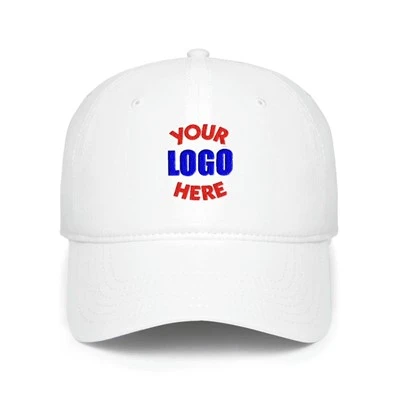
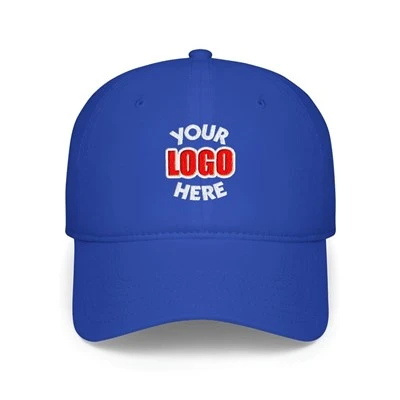
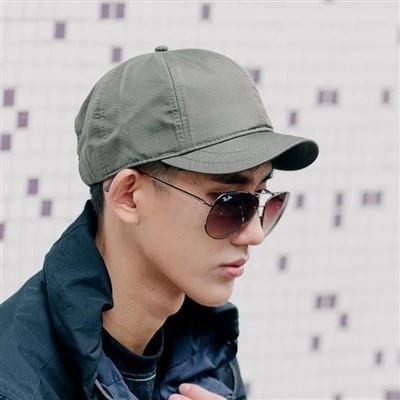
Color plays a major role in how customers recognize a brand. While many buyers focus on selecting the main fabric color, OEM manufacturing allows you to customize nearly every visible component of the cap.
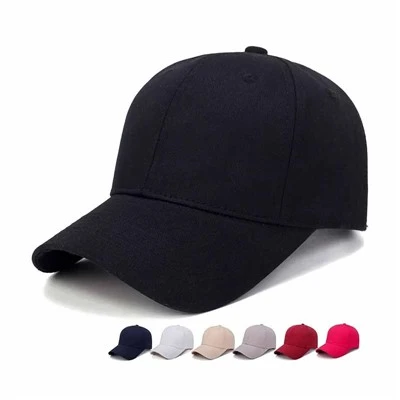
The crown, visor, button, eyelets, stitching, sweatband, and closure can all be matched to your preferred color scheme. Manufacturers can often work with Pantone color references to help maintain consistency across different production batches and product collections.
Small details can make a noticeable difference. Contrast stitching creates a bold, modern look, while matching thread produces a cleaner and more understated appearance. Two-tone color combinations are often used for sports teams and promotional campaigns, whereas monochrome designs remain popular for premium fashion brands.
By carefully selecting color combinations, businesses can create products that feel distinctive while staying true to their visual identity.
Selecting Colors That Match Your Brand
Before finalizing your design, consider where and how the cap will be used.
Neutral colors such as black, navy, gray, and khaki remain popular because they appeal to a wide audience and pair easily with different outfits. Bright colors may be better suited for seasonal promotions, outdoor events, or youth-focused brands.
It's also important to consider how your logo interacts with the chosen fabric color. High-contrast embroidery often improves visibility, while tone-on-tone branding creates a more subtle and premium appearance.
A thoughtful approach to color selection helps ensure your custom baseball cap not only attracts attention but also represents your brand consistently across every market.
Logo Decoration Options
A logo is often the first detail customers notice, making it one of the most important elements of OEM baseball cap customization. The right decoration method should match your brand image, product positioning, and budget.
Flat Embroidery
Flat embroidery is the most widely used option for custom baseball caps. It delivers a clean, professional finish with excellent durability, making it suitable for fashion brands, corporate uniforms, schools, and promotional products.
3D Puff Embroidery
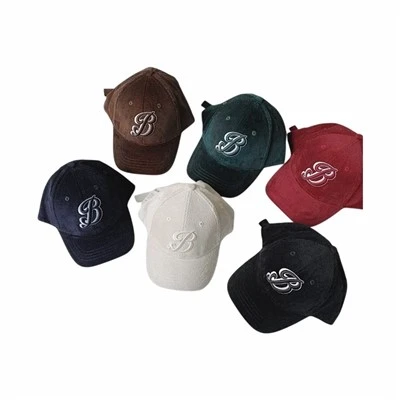
If you want your logo to have more depth and visual impact, 3D puff embroidery is an excellent choice. By adding a foam layer beneath the stitching, this technique creates a raised effect that is especially popular with streetwear brands, sports teams, and lifestyle collections.
Screen Printing
Screen printing works well for simple graphics and larger designs with solid colors. It is a cost-effective solution for promotional campaigns and high-volume orders where affordability is a priority.
Heat Transfer Printing
Heat transfer printing allows manufacturers to reproduce detailed artwork, gradients, and complex graphics that are difficult to achieve with embroidery. It is often used for sportswear, event merchandise, and promotional products.
Patches and Specialty Decorations
For brands looking to create a distinctive appearance, patches offer additional design flexibility. Woven patches provide a classic woven texture, leather patches add a premium outdoor-inspired look, and PVC rubber patches create a modern style that is highly durable.
Choosing the right decoration method depends on your artwork, target customers, and overall product positioning. An experienced manufacturer can recommend the most suitable option before sampling begins.
Customize Every Detail of the Cap
Many people think customization ends with the logo, but OEM production allows you to personalize nearly every component of a baseball cap.
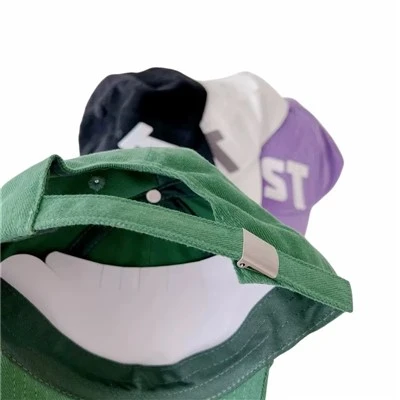
You can choose between a structured crown for a firm, polished appearance or an unstructured crown for a softer, relaxed fit. The visor can be pre-curved for a classic style or flat for a more contemporary look.
Closure options are equally diverse. Plastic snapbacks remain popular for casual and sportswear collections, while metal buckles provide a more premium appearance. Hook-and-loop closures offer easy adjustment, and elastic closures are often used for performance headwear.
Other customizable details include eyelets, top buttons, seam tape, sweatbands, interior printing, woven labels, and even custom sizing. These small elements may seem minor individually, but together they create a product that feels unique and professionally designed.
Private Label Branding
For businesses building their own brand, private labeling is just as important as the cap itself.
Instead of displaying the manufacturer's information, private label products feature your own woven labels, printed care labels, size labels, and branded hang tags. Some brands also add custom logo tape inside the seams or print graphics beneath the sweatband to create a more premium unboxing experience.
These details may not be immediately visible, but they reinforce brand identity and give customers greater confidence in the product.

Packaging Customization
Packaging is often overlooked during product development, yet it plays an important role in both brand presentation and product protection.
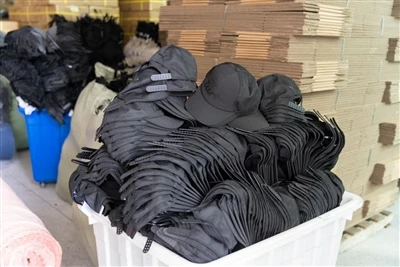
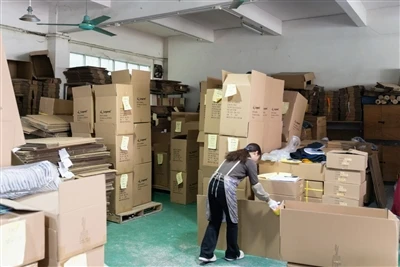
OEM manufacturers usually offer multiple packaging solutions based on your business needs. Standard options include individual poly bags and export cartons for wholesale shipments, while retail brands often choose custom gift boxes, branded paper sleeves, or recyclable packaging materials to enhance the customer experience.
Packaging can also include barcode labels, shipping marks, warning labels, QR codes, and promotional inserts. These additions help improve inventory management while creating a more professional presentation for retailers and end users.
Well-designed packaging protects the product during transportation and leaves a positive impression when customers receive their order.
How to Choose the Right OEM Baseball Cap Manufacturer
Selecting the right manufacturing partner is just as important as choosing the right materials or decoration methods.
An experienced OEM baseball cap manufacturer should provide clear communication throughout the project, from product development and sampling to mass production and shipping.
When evaluating potential suppliers, consider the following factors:
Experience with custom baseball cap production
Ability to support OEM and private label projects
Sample development capabilities
Consistent quality control procedures
Flexible customization options
Reliable production capacity
Transparent lead times
Export experience for international markets
A trustworthy manufacturer should also be willing to discuss material recommendations, logo techniques, and production solutions rather than simply providing quotations.
Building a long-term partnership often leads to more efficient communication, better pricing, and improved consistency across future product collections.

Final Thoughts
OEM baseball cap customization offers businesses the flexibility to create products that reflect their unique identity instead of relying on standard designs. From selecting premium fabrics and carefully matched colors to choosing the right logo decoration and customized packaging, every decision contributes to the final quality and market appeal of the product.
Whether you are launching a new apparel brand, expanding your promotional product range, or developing a private label collection, understanding the available customization options will help you make informed decisions and achieve better results.
By working with an experienced manufacturing partner, you can simplify the development process, maintain consistent quality, and create baseball caps that leave a lasting impression on your customers.