


Some fashion trends disappear after a season, while others keep finding their way back into people's wardrobes. Bucket hats are a good example. From classic outdoor headwear to 90s streetwear and modern fashion collections, this simple hat has remained popular across different generations.
What makes bucket hats so lasting? Their appeal comes from a combination of practical design, easy styling, and endless customization possibilities. For fashion brands, they also offer an opportunity to create products that feel familiar while still reflecting a unique brand identity.
Why Do Bucket Hats Keep Coming Back?
Bucket hats were originally designed for practical use, especially for fishing and outdoor activities. Their downward-sloping brim provides shade around the head, while their soft construction makes them easy to carry.
Over time, they became part of different fashion movements, particularly 90s hip-hop culture and streetwear. Today, they appear in casual collections, outdoor clothing lines, and designer fashion.

There are three main reasons why bucket hats continue to attract consumers:
Easy to style: Their relaxed shape works with T-shirts, denim, oversized clothing, and everyday outfits.
Practical for daily wear: The all-around brim offers coverage from different directions, making them suitable for walking, traveling, and outdoor activities.
A timeless silhouette: Their recognizable shape can be updated with new fabrics, colors, and details without losing its original character.
Rather than being limited to one fashion trend, bucket hats can adapt to changing consumer preferences.
What Makes Bucket Hats Different from Other Hat Styles?
Compared with baseball caps, bucket hats have a brim that extends around the entire crown instead of a front-only visor. This creates a softer, more relaxed appearance and provides shade around the head.
Sun hats, on the other hand, often feature wider brims and are designed with greater emphasis on sun coverage.
| Feature | Bucket Hats | Baseball Caps | Sun Hats |
|---|---|---|---|
| Brim design | All-around brim | Front visor | Usually wider brim |
| Overall style | Casual and relaxed | Sporty and classic | Outdoor and summer |
| Common uses | Streetwear, travel, daily wear | Sports, casual outfits | Beach and outdoor activities |
| Customization | Embroidery, patches, prints | Embroidery, prints | Prints, embroidery, trims |
For brands looking to develop a versatile fashion accessory, bucket hats offer a good balance between everyday styling and practical use.
How Can Brands Make Their Own Bucket Hats Stand Out?
When many brands offer similar hat styles, small design decisions can make a significant difference. A successful custom bucket hat should reflect the brand's identity rather than simply follow an existing trend.
Choose the Right Fabric
Fabric affects the hat's appearance, comfort, and intended use. Different materials can create completely different product styles.
Cotton Twill: Soft, breathable, and suitable for everyday casual collections.
Denim: Adds a vintage appearance and works well with streetwear designs.
Canvas: Offers a firmer look, making it suitable for casual and outdoor collections.
Nylon: Lightweight and quick-drying, often used for travel and outdoor styles.
Corduroy: Its ribbed texture creates a distinctive retro look.
The best choice depends on your target customers, product positioning, and expected retail price.
Experiment with Different Shapes
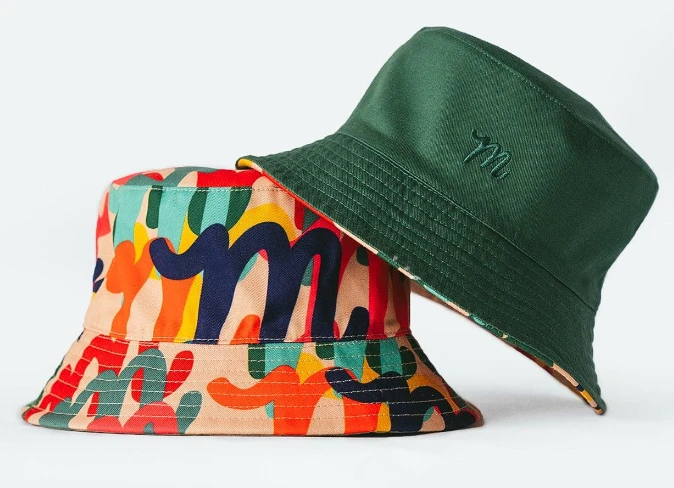
A classic bucket hat is only one option. Brands can explore wide-brim styles for greater coverage, structured designs for a more defined silhouette, or reversible bucket hats featuring different colors or prints on each side.
Even small changes to crown depth, brim width, and overall proportions can create a noticeably different look.
Use Colors and Patterns to Build Brand Recognition
Neutral colors such as black, beige, navy, and olive are easy to coordinate with everyday collections. For brands targeting younger consumers, brighter shades, tie-dye effects, camouflage, and floral patterns can create a stronger visual identity.
Developing several coordinated colors within one collection can also help brands create a consistent product range.
Add Custom Logos and Branding Details
Logo placement and application methods are important parts of custom bucket hat development. Embroidery creates a textured finish, woven labels offer a subtle branding option, and printed graphics work well for colorful or detailed designs.
Brands can also add embroidered patches, custom inner labels, hang tags, and packaging to create a more complete retail product.

What Should Brands Prepare Before Developing Custom Bucket Hats?
Before contacting a bucket hat manufacturer, it helps to prepare a few basic details:
| Information | What to Prepare |
|---|---|
| Hat style | Classic, wide brim, reversible, or structured |
| Material | Cotton, denim, canvas, nylon, etc. |
| Colors | Color references or Pantone codes |
| Logo | High-resolution artwork or design files |
| Size | Head circumference and preferred hat depth |
| Quantity | Estimated order quantity per color |
| Packaging | Custom labels, hang tags, or retail packaging |
You do not need a complete technical design to get started. Reference images, sketches, or even a clear product idea can help a manufacturer understand your requirements and suggest suitable materials and construction methods.
Requesting a physical sample before bulk production is also important. It allows you to check the fit, fabric, logo placement, stitching, and overall appearance before confirming the final design.
Work with the Right Custom Bucket Hat Manufacturer

Turning a design idea into a finished product requires more than choosing a fabric and adding a logo. An experienced manufacturer should be able to support material selection, sample development, construction adjustments, and quality inspection.
For brands developing private label bucket hats, it is worth checking a supplier's experience with different hat styles, customization methods, production capacity, and quality control procedures.
A reliable production partner can help identify potential design issues early, reduce unnecessary sample revisions, and ensure that the approved details are followed during bulk production.
Final Thoughts
Bucket hats keep coming back because they combine a familiar shape with practical features and flexible styling. For brands, the opportunity is not simply to follow another fashion trend, but to create a product that customers can recognize as their own.
Whether you are planning a vintage-inspired collection, a streetwear line, or functional outdoor headwear, the right combination of materials, shapes, colors, and branding details can make your bucket hats stand out.