

Interval training is a high - intensity workout that alternates between short bursts of intense exercise and periods of lower - intensity recovery. It's a popular choice for runners looking to improve their speed, endurance, and overall fitness. As someone who runs and is also a supplier of running visors, I often get asked whether it's a good idea to wear a running visor during interval training. In this blog post, I'll explore the pros and cons of wearing a running visor during interval training and provide some insights to help you make an informed decision.
The Benefits of Wearing a Running Visor During Interval Training
1. Sun Protection
One of the primary benefits of wearing a running visor is sun protection. During interval training, you're likely to be outside for an extended period, especially if you're doing longer intervals or multiple sets. The sun's harmful UV rays can cause skin damage, including sunburn, premature aging, and an increased risk of skin cancer. A running visor can shield your eyes, forehead, and part of your cheeks from the sun.
The Best Sun Running Visor, like the ones available at Best Sun Running Visor, are designed with materials that have a high UPF (Ultraviolet Protection Factor) rating. This means they can block a significant amount of UV rays, reducing your exposure and keeping you safe from the sun's harmful effects.
2. Reduced Glare
Glare from the sun can be a major distraction during interval training. It can make it difficult to see clearly, especially when you're running at high speeds. A running visor can help reduce glare by providing a shade over your eyes. This allows you to focus better on your running form, your pace, and your surroundings.
When you're in the middle of a high - intensity interval, you need to be fully focused on your performance. A visor that reduces glare can give you that extra edge by ensuring you have a clear line of sight.
3. Sweat Management
Sweating is a natural part of interval training. As your body works hard to keep up with the intense exercise, it produces sweat to cool down. However, sweat can drip into your eyes, causing irritation and blurring your vision. A running visor can act as a barrier, catching the sweat before it reaches your eyes.
The Best Running Visor For Sweat are typically made with absorbent materials that can wick away moisture quickly. This helps keep your face dry and your vision clear, allowing you to perform at your best without having to worry about sweat getting in your eyes.
4. Comfort
Comfort is crucial during interval training. You need to be able to move freely without any distractions or discomfort. A well - fitting running visor can provide a comfortable fit that stays in place even during the most intense movements.
Many running visors are adjustable, allowing you to customize the fit to your head size. The Adjustable Running Visor are designed with adjustable straps or bands that can be tightened or loosened as needed. This ensures a snug fit that doesn't feel too tight or too loose, providing maximum comfort throughout your workout.
Potential Drawbacks of Wearing a Running Visor During Interval Training
1. Weight and Aerodynamics
Some running visors can be relatively heavy, which may affect your performance during interval training. The extra weight on your head can add a small amount of drag, making it slightly more difficult to run at high speeds. Additionally, if the visor is not aerodynamically designed, it can create more wind resistance, further slowing you down.
However, modern running visors are often made with lightweight materials, such as breathable mesh and synthetic fabrics, to minimize weight. When choosing a visor, look for one that is specifically designed for running and has a streamlined shape to reduce wind resistance.
2. Restricted Movement
In some cases, a running visor may restrict your movement slightly. If the visor is too tight or the brim is too wide, it can limit your range of motion, especially when you're looking up or down. This can be a problem during interval training, where you may need to change your gaze quickly to navigate your surroundings or check your pace.
To avoid this issue, choose a visor with a flexible brim and a comfortable fit that allows for a full range of head movement.
Tips for Choosing the Right Running Visor for Interval Training
1. Consider the Material
The material of the running visor is important. Look for a visor made with breathable, lightweight, and moisture - wicking materials. These materials will help keep you cool and dry during your workout. Mesh is a popular choice for running visors because it allows air to circulate, preventing overheating.
2. Look for a Good Fit
A proper fit is essential. The visor should sit comfortably on your head without being too tight or too loose. It should stay in place during your run, even when you're making sudden movements. Adjustable visors are a great option as they allow you to customize the fit to your needs.
3. Evaluate the Brim
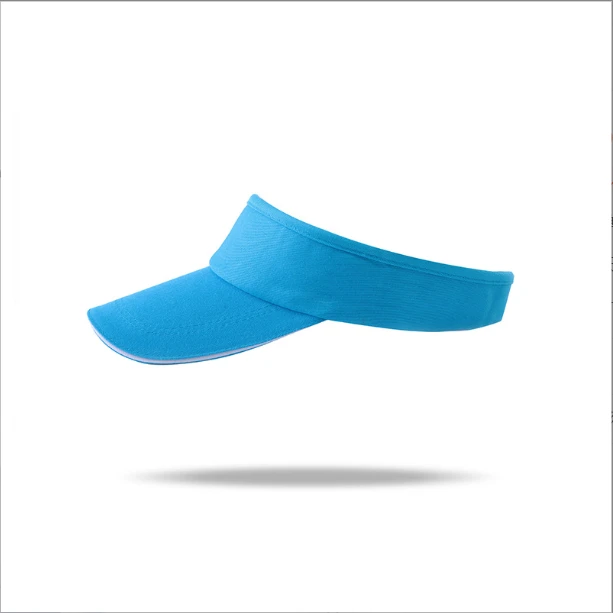
The brim of the visor should be wide enough to provide adequate sun protection but not so wide that it restricts your movement. A curved brim can be more effective at blocking the sun from different angles.

4. Check the Style
While style may not be the most important factor, it can still make a difference in your overall experience. Choose a visor that you like the look of, as this can boost your confidence during your workout.
Conclusion
In conclusion, wearing a running visor during interval training can have many benefits, including sun protection, reduced glare, sweat management, and comfort. While there are some potential drawbacks, such as weight and restricted movement, these can be minimized by choosing the right visor.
As a running visor supplier, I'm confident that our range of running visors can meet the needs of any runner, whether you're a beginner or a seasoned pro. If you're interested in purchasing high - quality running visors for your interval training or for your running team, I encourage you to get in touch. We can discuss your specific requirements and provide you with the best solutions. Let's work together to enhance your running experience!
References
- American Academy of Dermatology. (n.d.). Sun protection for active people. Retrieved from the official website of the American Academy of Dermatology.
- Runner's World. (n.d.). Tips for choosing running gear. Retrieved from the official website of Runner's World.