

Yo, fellow runners! I'm a supplier of running visors, and today I wanna chat about how these nifty accessories perform in low - light conditions.
The Basics of Running Visors in Low - Light
First off, let's understand what we're dealing with when it comes to low - light running. Whether you're an early - bird runner hitting the streets before dawn or a night owl getting your miles in after sunset, low - light situations can be tricky. You need to be visible and also have good visibility yourself.
Running visors aren't just for blocking the sun. They can play a key role in low - light runs. One of the main features of a good running visor is its material. Most of the visors we supply are made from lightweight, breathable fabrics. In low - light, this is still important because you don't want to overheat while you're running.
Visibility and Reflectivity
Now, let's talk about visibility. In low - light conditions, being seen is crucial for your safety. That's where reflective elements on running visors come in. Our running visors are designed with reflective strips or patterns. These reflective parts catch the light from car headlights, streetlights, or even the flashlights of other runners.
Imagine you're running on a dimly lit street. A car is approaching from behind. The reflective strips on your visor bounce back the car's headlights, making you much more visible to the driver. It's like having an extra layer of safety gear.
Some of our Best Sun Running Visor models have enhanced reflective features. They're not just for sun protection; they're also built to keep you safe during those early morning or late - night runs.
Light - Gathering Properties
Another aspect to consider is how well a visor can help you see. Some of our visors are made from materials that have a bit of a light - gathering property. They can capture and diffuse the limited light available in low - light conditions, giving you a better field of vision.
For example, if you're running on a trail at night and there's only a bit of moonlight, a visor with light - gathering properties can make it easier to see the path ahead. It won't turn night into day, but it can definitely improve your visibility.
Adjustable Features for Low - Light
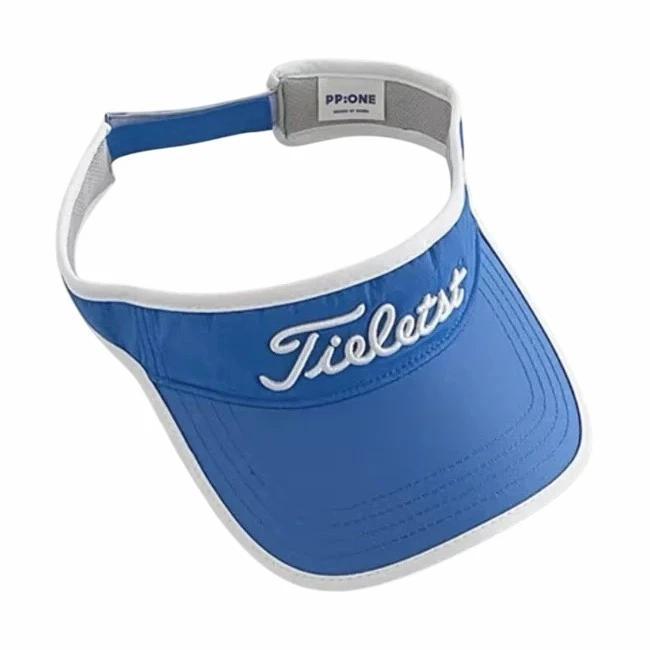
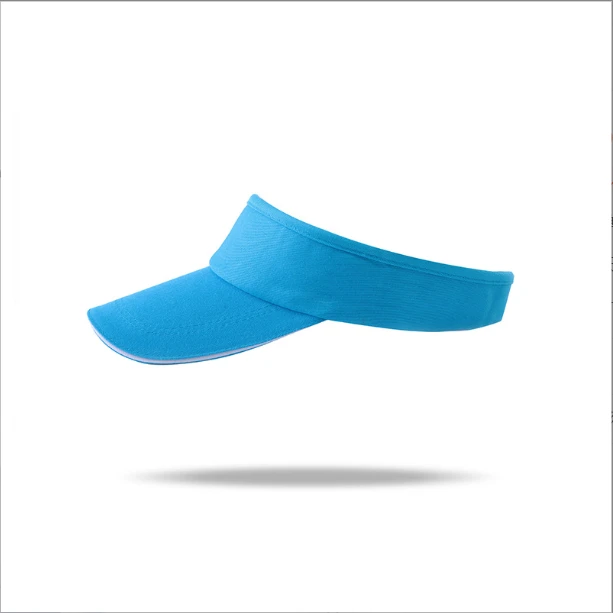
Adjustability is key in a running visor, especially in low - light. Our Adjustable Running Visor models allow you to customize the fit and angle of the visor. You can tilt it down a bit more to block any stray light that might be glaring into your eyes, or adjust it up to get a better view of the road or trail.
Let's say you're running towards a streetlight. You can tilt the visor down to reduce the glare and keep your eyes focused on the path. On the other hand, if you're running on a dark trail and need to look up to see any obstacles, you can adjust the visor upwards.
Dealing with Sweat in Low - Light
Sweat is a runner's constant companion, and it doesn't stop just because it's dark outside. Our Best Running Visor For Sweat models are designed to wick away sweat effectively. In low - light, this is even more important. Sweat dripping into your eyes can not only be annoying but also reduce your visibility.
The visors have absorbent bands that soak up the sweat before it can run down your face. This ensures that you have a clear line of sight throughout your run, whether it's in the early morning fog or under the stars at night.
Comparing with Other Headgear
You might be wondering how running visors stack up against other types of headgear in low - light. Well, compared to full - brimmed hats, visors offer more ventilation. In low - light, you still want to stay cool, and the open - back design of a visor allows for better air circulation.
Hats can also block your peripheral vision more than visors. When you're running in low - light, you need to be aware of your surroundings, and a visor gives you a wider field of view.
Testing in Real - World Low - Light Conditions
We've put our running visors through some real - world low - light tests. We've had runners take them out on early morning runs in the misty suburbs and late - night runs on forest trails. The feedback has been really positive.
Runners have reported that the reflective features made them feel safer, especially when running near traffic. The adjustability also came in handy, allowing them to adapt to different lighting situations. And the sweat - wicking properties kept them comfortable and their vision clear.
Conclusion and Call to Action
So, as you can see, running visors can perform really well in low - light conditions. They offer safety, visibility, and comfort, all in one handy accessory.
If you're a running gear retailer or just someone looking to stock up on high - quality running visors, I'd love to chat with you. We have a wide range of models to suit different needs and budgets. Whether you're looking for a basic adjustable visor or a high - tech model with advanced reflective features, we've got you covered.
Get in touch, and let's start a conversation about how our running visors can enhance your running experience or your business.
References
- Personal experiences of runners who tested our running visors in low - light conditions.
- Industry research on the importance of visibility and comfort in running gear for low - light activities.