

Do flat bill caps keep your head warm in cold weather? This is a question that many people, especially those who are fond of stylish head - wear, often ponder. As a supplier of flat bill caps, I have delved deep into this topic to provide you with a comprehensive answer.
Understanding Flat Bill Caps
Flat bill caps, also known as Flat Brimmed Baseball Cap, have become a staple in modern fashion. They are characterized by their distinct flat brim, which sets them apart from the traditional curved - brim baseball caps. These caps come in a wide variety of materials, colors, and designs, making them a popular choice for people of all ages.
The materials used in manufacturing flat bill caps play a crucial role in determining their ability to keep your head warm. Common materials include cotton, polyester, wool, and a blend of these fibers. Each material has its own unique properties when it comes to insulation and warmth.
Insulation Properties of Different Materials
- Cotton: Cotton is one of the most widely used materials in flat bill caps. It is breathable, soft, and comfortable to wear. However, when it comes to keeping your head warm in cold weather, cotton has its limitations. Cotton is a poor insulator because it absorbs moisture easily. When your head sweats, the cotton cap can become damp, and damp cotton loses its ability to retain heat. In fact, wearing a cotton flat bill cap in cold, wet conditions can make you feel even colder as the moisture on the cap draws heat away from your body.
- Polyester: Polyester is a synthetic material that is known for its durability and moisture - wicking properties. It dries quickly, which means it can keep your head dry even if you sweat. Polyester flat bill caps are better at retaining heat compared to cotton caps, especially in cold and dry conditions. However, they may not be as effective as some other materials in extremely cold weather.
- Wool: Wool is a natural fiber that is renowned for its excellent insulation properties. It can trap air within its fibers, creating a layer of warm air around your head. Wool is also able to absorb moisture without feeling wet, and it can still retain heat even when damp. A flat bill cap made of wool is an excellent choice for cold weather as it can keep your head warm and cozy.
- Blended Materials: Many flat bill caps are made of a blend of different materials, such as a combination of cotton and polyester or wool and synthetic fibers. These blended caps aim to combine the best properties of each material. For example, a cotton - polyester blend can offer the comfort of cotton and the moisture - wicking ability of polyester. A wool - synthetic blend can provide the insulation of wool with the durability of synthetic fibers.
Other Factors Affecting Warmth
Apart from the material, there are other factors that can affect how well a flat bill cap keeps your head warm.
- Thickness: Thicker caps generally provide more insulation than thinner ones. A thick - knit wool flat bill cap will be warmer than a thin cotton one. When choosing a flat bill cap for cold weather, look for caps with a greater thickness.
- Fit: A well - fitting cap is essential for keeping your head warm. If the cap is too loose, cold air can easily get in, and the heat from your head can escape. On the other hand, if the cap is too tight, it can restrict blood circulation, which may make you feel colder. Make sure to choose a flat bill cap that fits snugly but not too tightly around your head.
- Lining: Some flat bill caps come with a lining. A lining can add an extra layer of insulation. For example, a cap with a fleece lining will be warmer than an unlined cap. The lining can also make the cap more comfortable to wear against your skin.
Practical Considerations
In real - world scenarios, the effectiveness of a flat bill cap in keeping your head warm also depends on the severity of the cold weather. In mild cold conditions, a cotton or polyester flat bill cap may be sufficient. However, in extremely cold weather, such as below freezing temperatures, a wool or wool - blend cap with a lining is recommended.
It's also important to note that a flat bill cap mainly covers the top and sides of your head. The ears are still exposed, and ears are particularly sensitive to cold. In very cold weather, you may want to consider wearing earmuffs or a hat that covers the ears in addition to your flat bill cap.
Our Flat Bill Cap Offerings
As a flat bill cap supplier, we offer a wide range of caps to meet different needs. Our Flat Bill Cap Embroidery options allow you to customize your cap with unique designs and logos. Whether you want a simple monogram or a complex corporate logo, our embroidery services can bring your ideas to life.
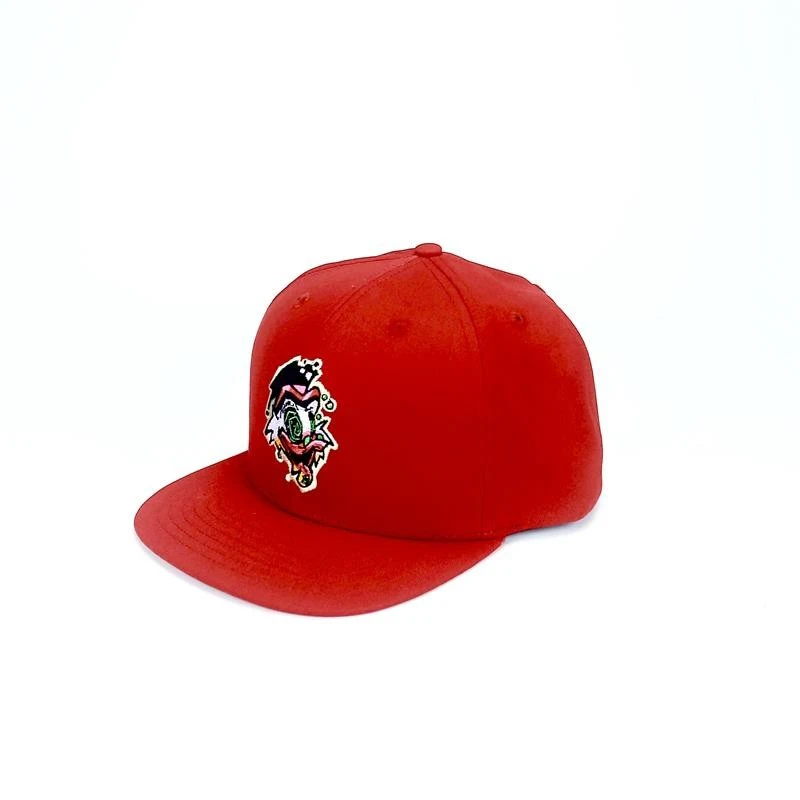
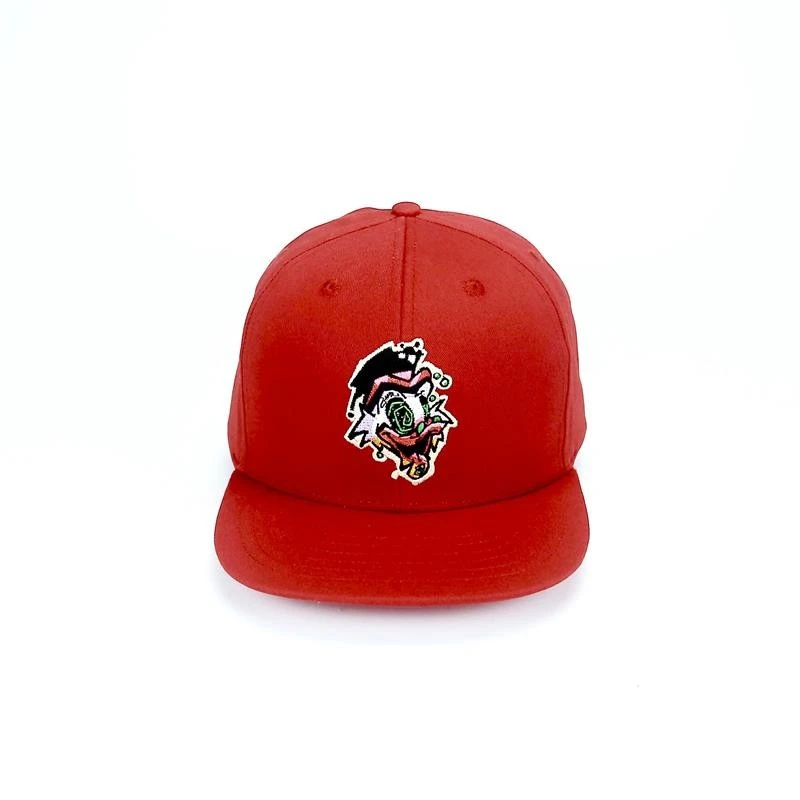
We also have a variety of Baseball Cap With Logo for businesses and organizations. These caps can be a great promotional item or a part of your team uniform.
If you are looking for a flat bill cap that can keep you warm in cold weather, we have caps made of different materials, including wool and wool - blends. Our thick - knit wool caps are designed to provide maximum insulation and comfort.
Conclusion
In conclusion, flat bill caps can keep your head warm in cold weather, but it depends on several factors, such as the material, thickness, fit, and lining of the cap. Cotton caps are not the best choice for extremely cold weather, while wool caps are highly recommended for their excellent insulation properties.
If you are in the market for high - quality flat bill caps, whether for personal use or for your business, we are here to help. We can provide you with detailed information about our products and assist you in choosing the right flat bill cap for your needs. Contact us to start a procurement discussion, and let's find the perfect flat bill cap solution together.
References
- "Textiles for Cold Weather Apparel" by the International Textile and Apparel Association.
- "Materials Science: Fundamentals and Applications" by various authors, which provides in - depth knowledge about the properties of different fibers.