

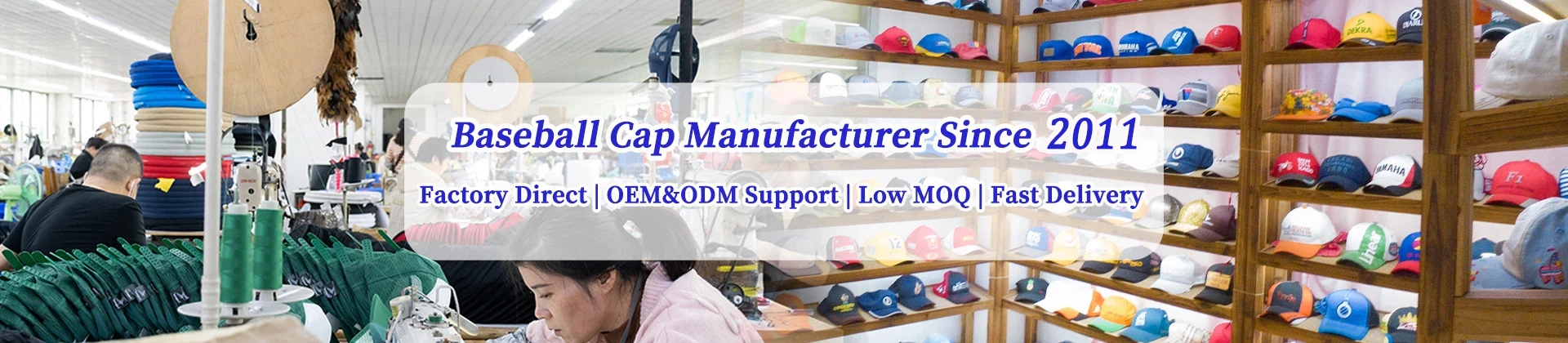
Hats are an important tool for brand promotion, team events, promotional gifts, and retail products. The logo customization method is a key factor that determines a hat's value and visual appeal. Choosing the right logo customization technique not only affects the appearance but also impacts durability, production cost, and brand image.
Why Hat Logo Customization Matters
A hat logo is more than just a brand mark; it is a crucial element of brand communication and marketing. Different logo customization methods can significantly affect a hat's appearance, texture, durability, and cost:
Brand Image Impact: High-quality logo customization enhances the professional look and premium feel of the hat, making the brand appear more reliable and easily recognizable.
Durability Differences: Different customization methods vary in how well the logo withstands daily wear and washing, which impacts long-term usability.
Production and Cost Considerations: Each technique has different production timelines, batch size suitability, and cost implications, which must be carefully considered during procurement.
Common Hat Logo Customization Techniques
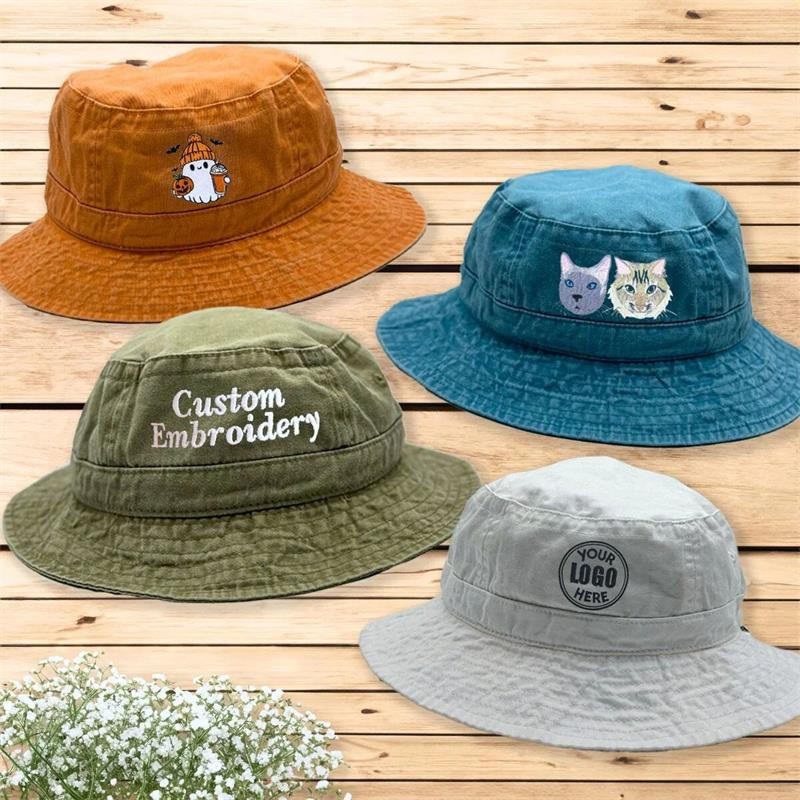
Common logo customization methods include embroidery, 3D puff embroidery, screen printing, heat transfer, woven patches, leather patches, and rubber patches. Each method has its own application scenarios.
Embroidery
Embroidery is a classic and premium hat logo method, where the logo is stitched directly onto the hat fabric.
Advantages:
Highly durable, able to withstand multiple washes and prolonged use.
Elegant and textured appearance, suitable for premium brand representation.
Colors are vibrant with natural dimensionality, ideal for various designs.
Applicable Hat Types: Snapback, Trucker, Dad Hat, and nearly all hat styles.
3D Puff Embroidery
3D puff embroidery builds upon traditional embroidery by adding padding material to create a raised, three-dimensional logo effect.
Advantages:
Logos stand out visually, offering strong brand presence and impact.
Enhances product texture and brand recognition.
Suitable For: High-end Snapbacks, limited editions, or commemorative hats.
Screen Printing
Screen printing transfers ink onto the hat surface using a mesh stencil.
Advantages:
Cost-effective, ideal for large-scale production.
Can print multi-color, gradient, or relatively complex designs.
Suitable For: Promotional hats, corporate bulk orders, and giveaway items.
Heat Transfer
Heat transfer involves transferring printed designs onto the hat surface using heat.
Advantages:
Suitable for complex designs, multi-color gradients, or photo-quality graphics.
Achieves high precision and clear image details.
Suitable For: Small-batch customization, special graphic designs, or limited-edition hats.
Woven, Leather, and Rubber Patches
These methods attach pre-made patches onto the hat by sewing or gluing.
Advantages:
Premium look, significantly enhancing the hat's perceived value.
High brand recognition, durable, and offers a unique tactile feel.
Suitable For: High-end Snapbacks, commemorative hats, gift hats, and limited-edition hats.
How to Choose the Right Hat Logo Method Based on Procurement Needs
When selecting a logo method, consider brand positioning, logo complexity, hat material, budget, production timeline, and usage scenarios.
1. Brand Positioning and Target Market
High-end brands or gift customization → Embroidery / 3D Puff Embroidery
Why:
Premium feel: Embroidery creates a tactile, high-quality look that elevates brand perception.
Durability: Needlework holds up under repeated washing and long-term wear.
High brand recognition: 3D puff embroidery adds depth to the logo, making it more visually striking.
Suitable for collectible value: Ideal for limited edition or commemorative hats.
Bulk promotions or corporate orders → Screen Printing / Heat Transfer
Why:
Cost-efficient: Screen printing and heat transfer are more affordable than embroidery, especially for hundreds or thousands of hats.
High production efficiency: Screen printing can produce large volumes quickly; heat transfer works well for complex multi-color designs.
Flexibility: Easy to change colors or designs without remaking embroidery templates.
2. Logo Size and Complexity
Small, simple logos → Embroidery or Screen Printing
Embroidery provides clear details and a premium feel, while screen printing allows fast, accurate mass production.
Large, complex designs → Heat Transfer or Screen Printing
Heat transfer reproduces gradients, photo-quality images, and multi-color intricate designs with high fidelity.
Screen printing can handle large, multi-color areas but requires mesh separation for each color, suitable for bulk orders.
Embroidery is less ideal for large complex graphics due to cost and reduced detail resolution.
3. Hat Material and Style
Stiff fabric front panels → Embroidery / 3D Puff Embroidery
Materials like high-count cotton, canvas, or blends hold up to stitching tension without deformation.
Embroidery looks best on stiff fabrics, with natural dimensionality.
Soft or stretchy fabric → Heat Transfer
Knitted or polyester fabric is not suitable for embroidery, which can cause distortion or pilling.
Heat transfer adheres to flexible fabrics without altering the hat's shape.
4. Budget and Production Timeline
High-end customization → Embroidery / 3D Puff Embroidery
Complex stitching requires templates and manual operation, but results are visually premium and durable.
Suitable for limited, high-value orders; not ideal for large-scale bulk production.
Bulk giveaways or event hats → Screen Printing / Heat Transfer
Lower cost and faster production, ideal for mass promotions and corporate gifts.
5. Usage Scenarios
Frequent outdoor use → Embroidery
Embroidered logos resist sun, sweat, and weather better than printed designs, maintaining appearance over time.
Short-term events or creative designs → Heat Transfer / Screen Printing
Event hats or novelty designs have short lifespans; heat transfer and screen printing provide quick, colorful results at lower cost.
By carefully evaluating brand positioning, logo complexity, hat material, budget, and usage scenarios, buyers can choose the most suitable hat logo customization method. This ensures hats are visually appealing, durable, and cost-effective, providing a high-quality, practical solution for all types of orders.