

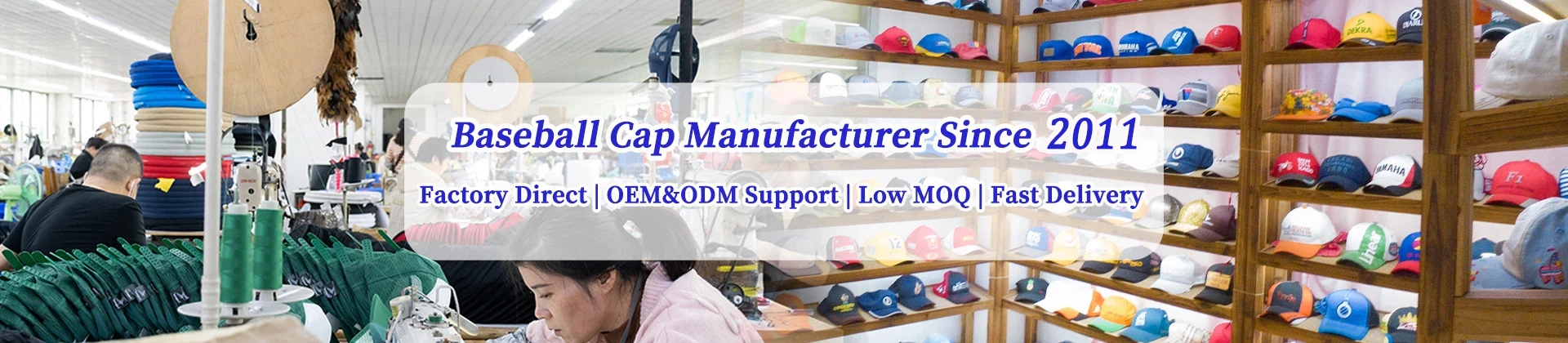
Entering 2026, demand for bulk hat orders in Europe, America, and the Middle East continues to grow, especially driven by brand customization, holiday events, the wedding market, and e-commerce channels. Buyers' requirements for suppliers have shifted from simply "low price" to "stable supply capacity + customization capabilities + long-term cooperation value."
As a factory-type manufacturer with 15 years of hat production experience, we have found in serving global clients that a truly excellent bulk hat supplier is not just a producer, but a crucial support node for supply chain stability and brand realization.
1. Demand Trends in the Hat Market in 2026
From a market structure perspective, hat growth in 2026 will mainly come from three directions. First, there will be continued consumer demand for fashionable hats in mature markets in Europe and America. This market places greater emphasis on design and brand expression, and hats are often used for weddings, parties, and holiday occasions.
Secondly, the driving force of cross-border e-commerce platforms, such as Amazon, Etsy, and independent Shopify sellers, is pushing hats towards a standardized SKU operating model, making bulk order demand more stable and cyclical.
The third source of growth is the brand marketing and event customization market. More and more companies are choosing hats as brand promotional materials or unified image products for events, thus driving the continuous expansion of OEM order volume.
Under this trend, buyers are increasingly emphasizing supply chain stability rather than the price advantage of a single order. This is because once mass production begins, product consistency, delivery time stability, and customization capabilities will directly impact overall business results.

2. Core Standards for Hat Suppliers
In actual procurement decisions, the "best supplier" is not equivalent to the lowest price, but rather a reflection of comprehensive capabilities. A qualified bulk hat supplier must possess large-scale production capabilities, able to flexibly switch from small-batch trial orders to large-scale production, and must also have OEM and ODM development capabilities to meet the differentiated needs of different brands.
Furthermore, a stable raw material supply system from suppliers is crucial. For example, a consistent supply of wool felt, synthetic felt, and blended materials directly impacts the hat's stiffness and overall consistency. For export-oriented customers, the supplier's international market experience is equally important, as different markets have significant differences in size standards, packaging methods, and labeling specifications.
3. Core Processes in Hat Mass Production
From a manufacturing perspective, hat production is not simply cutting and sewing, but a systematic project involving structural shaping and meticulous detail control. First, in the raw material stage, wool felt or synthetic materials must be selected based on different market demands. Different materials directly affect the hat's stiffness, breathability, and overall visual appeal.
In the shaping stage, the hat body needs to be steam-formed using molds. This step determines the standardization of the hat's shape and is a core control point for batch order consistency. Subsequent processes, including brim trimming, crown shaping, and hatband installation, all affect the final product's brand image and wearing experience.
For OEM orders, logo craftsmanship typically employs methods such as embroidery, heat pressing, or metal nameplates. Different techniques suit different brand positioning, with high-end brands favoring 3D embroidery or metal nameplates to enhance product premium.
4. Key Evaluation Criteria for Bulk Hat Procurement in 2026
In actual procurement, customers often overlook the long-term stability of suppliers, rather than single-price differences. A reliable supplier must possess stable production capacity to ensure on-time delivery even during peak season order surges.
Secondly, consistent quality control is crucial. This is one of the most critical risk points in bulk orders, as hats are structurally complex apparel products; even minor deviations in craftsmanship can negatively impact the overall visual appeal. Furthermore, the supplier's customization capabilities are a key evaluation focus, including color development, hat shape adjustments, and packaging design. These factors directly affect a brand's competitiveness in the end-market.
Delivery time stability is equally important, especially in cross-border e-commerce and seasonal sales scenarios. Delayed delivery often results in missing market opportunities throughout the entire sales cycle.
5. Bulk Application Scenarios for Different Types of Hats
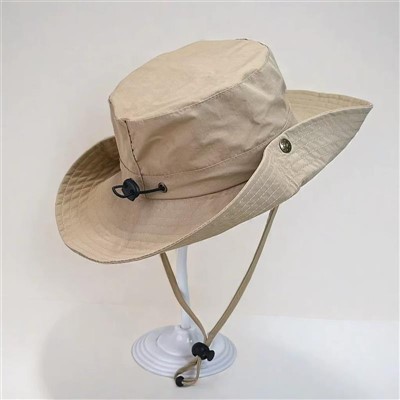
In practical applications, hats are not single products but are categorized into several sub-types based on material and purpose. For example, Fedora hats are typically used in business and fashion settings, making them more suitable for branded sales; felt hats are better suited for the autumn/winter market, offering strong warmth and structural rigidity; straw hats are primarily used for summer vacations and outdoor activities, featuring lightweight breathability.
Furthermore, in the stage performance and event market, hats are often used as standardized styling accessories, while in brand marketing, customized hats become an important promotional tool for corporate events. These different application scenarios determine the differentiated needs for design and material selection in bulk orders.
6. Why Factory-Type Suppliers are More Suitable for Bulk Purchasing
From a supply chain perspective, there is a fundamental difference between factory-type suppliers and trading companies. Factories can directly control the production process, managing everything from raw material procurement to finished product shipment internally, effectively reducing the risk of quality fluctuations. At the same time, factories possess stronger customization and development capabilities, allowing for structural adjustments and process optimization based on customer needs, while trading companies typically only resell standard products.
For bulk orders, supply chain stability is more important than unit price, because once a long-term partnership begins, any supply fluctuations can directly impact the client's brand. Therefore, choosing a factory with genuine production capabilities is crucial to ensuring long-term business stability.
Summary: How to Choose a Reliable Hat Supplier in 2026
In the global market environment of 2026, choosing a hat supplier is no longer simply a matter of price comparison, but a comprehensive assessment of supply capacity, customization capabilities, and long-term partnership stability. A truly reliable supplier must be able to strike a balance between production capacity, quality control, and delivery capabilities, while also possessing the ability to support the brand's long-term development.
If you are looking for a stable supply partnership for bulk hat orders, we can provide professional customization solutions based on different market demands and support one-stop OEM/ODM services from design to production to help clients quickly establish a market advantage.