


The bucket hat has come a long way from its practical roots. Once associated mainly with fishing, outdoor activities, and sun protection, it has become a recognizable fashion accessory across streetwear, casual fashion, travel, festivals, and outdoor lifestyles.
In 2026, the bucket hat market is showing steady growth while the product itself continues to evolve. Consumers are looking for more than a simple hat. They want comfort, distinctive design, useful features, and products that fit their personal style.
According to Fortune Business Insights, the global bucket hats market was valued at approximately USD 400 million in 2025 and is projected to reach USD 420 million in 2026 and USD 660 million by 2034, representing a projected CAGR of 5.93% from 2026 to 2034.
So, what is driving this growth, and what should consumers and brands expect from bucket hat trends in 2026?
Bucket Hat Market Overview in 2026
The modern bucket hat sits between fashion and function. Its simple construction makes it suitable for many different materials, colors, patterns, and decoration methods.
The market is also becoming more diverse. Classic cotton bucket hats continue to have strong appeal, while synthetic fabrics such as nylon and polyester are increasingly relevant for lightweight, water-resistant, and outdoor-focused designs. Fortune Business Insights identifies natural materials as a major segment while expecting synthetic materials to record faster growth during the forecast period.
This combination of fashion flexibility and practical use gives the bucket hat an advantage over products that depend entirely on seasonal fashion trends.
Why Are Bucket Hats Still Popular in 2026?
Fashion Meets Function
One reason for the continued popularity of bucket hats is their ability to serve more than one purpose.
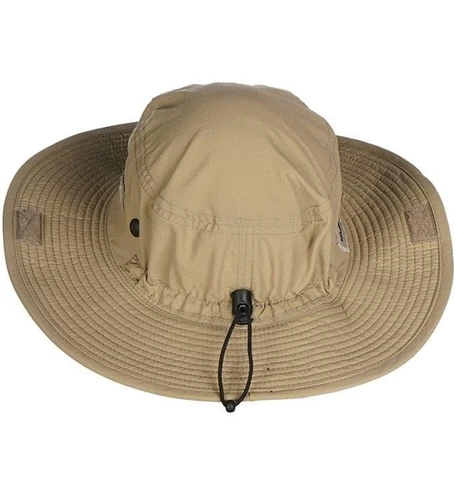
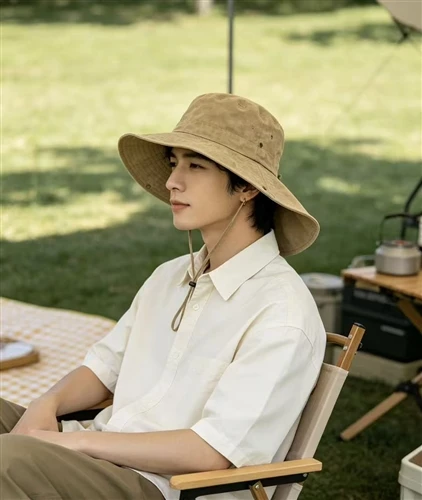
A well-designed bucket hat can provide shade while also completing a casual outfit. Depending on the fabric and construction, it can be used for everyday wear, travel, festivals, beach trips, outdoor activities, or streetwear styling.
This flexibility makes the bucket hat attractive to consumers who want accessories that work across different situations.
Streetwear and Nostalgic Fashion
The continued interest in 1990s and early-2000s fashion has also helped keep bucket hats visible. Streetwear brands have used bucket hats as part of collections that combine relaxed silhouettes with bold graphics, embroidery, and distinctive colors.
At the same time, consumers are not limited to one fashion style. Minimalist solid-color bucket hats can work just as well with everyday clothing as graphic or embroidered versions can work with streetwear.
Key Bucket Hat Trends for 2026
Lightweight and Breathable Designs
Comfort is becoming increasingly important. Lightweight cotton, polyester, nylon, and blended fabrics can make bucket hats easier to wear for long periods.
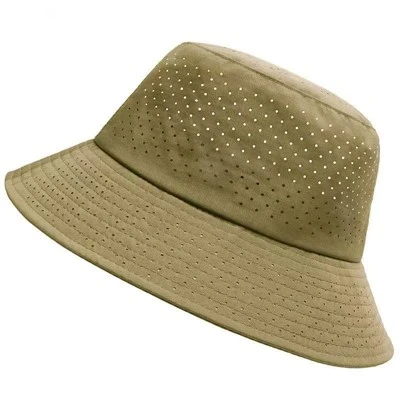
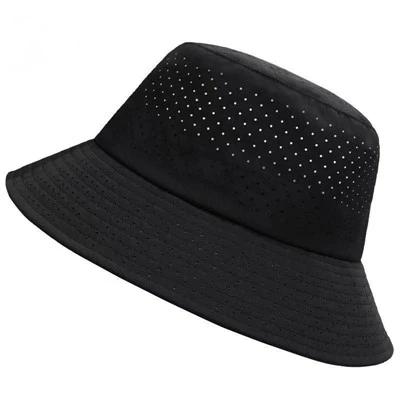
For warm-weather markets, ventilation and moisture management can be particularly valuable. Mesh panels, breathable fabric, and lightweight construction are examples of details that can make a noticeable difference.
Reversible Bucket Hats
Reversible bucket hats offer two looks in one product. One side may feature a solid color while the other uses a print, pattern, or contrasting color.
For consumers, this provides styling flexibility. For brands, it creates an opportunity to offer a more distinctive product without changing the basic silhouette.
Embroidery and Customization
Customization is another important direction in the bucket hat industry.
Brands can use embroidery, woven labels, patches, printing, and custom fabrics to create products that are more closely connected to their identity. Custom bucket hats can also be used for events, merchandise collections, sports teams, outdoor brands, and promotional campaigns.
For smaller fashion brands, this is particularly useful because a simple bucket hat can become a recognizable extension of an existing apparel collection.
Sustainable Materials
Sustainability continues to influence fashion accessories. Organic cotton, recycled polyester, recycled textiles, and other lower-impact material options are receiving greater attention from brands and consumers.
However, sustainability should not be reduced to a marketing label. The environmental impact of a bucket hat depends on factors including material sourcing, manufacturing processes, product durability, transportation, and end-of-life disposal.
Brands should therefore verify material claims and certifications before using terms such as "eco-friendly" or "sustainable."
Popular Bucket Hat Materials in 2026
Cotton
Cotton remains a strong choice for casual and fashion-oriented bucket hats. It offers a familiar feel, good breathability, and a natural appearance. It is also suitable for many embroidery and printing applications.
Nylon and Polyester
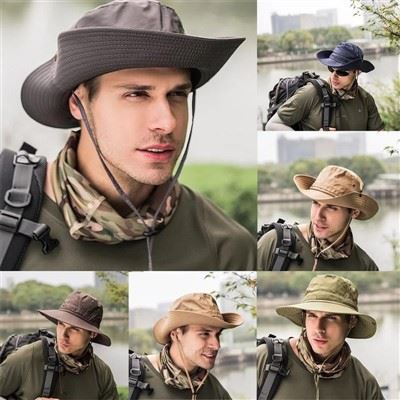
Synthetic fabrics are useful when durability, lightweight construction, quick drying, or water resistance is important. These materials are particularly relevant to outdoor, travel, and sports-inspired bucket hats.
Canvas and Denim
Canvas can provide a more structured and durable appearance, while denim can create a stronger fashion or workwear identity. Both materials can help a brand move away from a basic lightweight summer-hat image.
Who Is Buying Bucket Hats in 2026?
Bucket hats appeal to a broad audience rather than a single demographic.
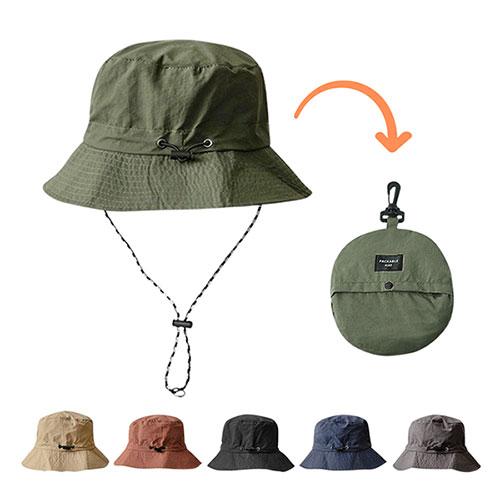
Younger consumers may be attracted by streetwear, graphic designs, social-media fashion, and nostalgic styling. Meanwhile, travelers and outdoor consumers may prioritize sun protection, packability, comfort, and durability.
The category also has strong unisex potential. A simple change in color, fabric, decoration, or styling can create completely different products without changing the fundamental hat shape.
This flexibility gives brands more room to develop collections for different customer groups.

Where Is Bucket Hat Demand Growing?
Asia Pacific currently represents the largest regional share of the global bucket hats market. Fortune Business Insights reports that the region accounted for approximately 34.54% of the global market in 2025.
North America also remains an important market, supported by streetwear, sportswear, casual fashion, and the renewed interest in 1990s and Y2K-inspired styles.
In Europe, sustainability and customization are important themes, with brands increasingly exploring recycled materials, organic cotton, and distinctive designs.
Hot-weather regions also create practical demand because bucket hats can combine everyday styling with protection from sunlight.
What Is Driving Bucket Hat Market Growth?
Several factors are working together.
First, consumers increasingly see headwear as part of their overall fashion identity rather than simply functional protection.
Second, outdoor recreation and travel continue to create demand for practical accessories.
Third, e-commerce makes it easier for independent brands to introduce specialized hat collections. A small fashion label can develop a limited run of embroidered, printed, or reversible bucket hats without building a large traditional retail network.
Finally, customization gives brands an opportunity to differentiate their products. In a competitive market, a recognizable logo, fabric, color combination, or construction detail can be more valuable than simply following the latest trend.

Bucket Hat Market Growth Forecast: 2026–2034
Current market research points toward steady rather than explosive growth.
The global bucket hats market is projected to increase from USD 420 million in 2026 to USD 660 million by 2034, with a forecast CAGR of 5.93%.
This forecast suggests that bucket hats may continue developing as a long-term headwear category instead of disappearing after a short fashion cycle.
However, market growth does not mean every bucket hat design will succeed. Brands still need to consider fit, fabric quality, construction, price, customer preferences, and product differentiation.
The strongest opportunities are likely to come from products that combine style, comfort, functionality, and brand identity.

What Does the 2026 Trend Mean for Brands?
For brands planning a bucket hat collection, following trends is only the first step.
A better approach is to combine stable product foundations with carefully selected trend elements. For example, a classic cotton bucket hat can be updated with seasonal colors, custom embroidery, a reversible construction, or a distinctive print.
Brands should also test samples before committing to large production quantities. Important details include crown shape, brim structure, stitching, fabric weight, color accuracy, logo placement, and overall fit.
When choosing a custom bucket hat manufacturer, price should not be the only consideration. Production experience, sampling capabilities, customization options, quality control, communication, and consistency can have a much greater impact on the final product.
Final Outlook for the Bucket Hat Market
The bucket hat market trends in 2026 point toward a category that is becoming more versatile rather than simply more fashionable.
Classic designs remain relevant, while reversible construction, embroidery, technical fabrics, sustainable materials, and outdoor functionality are creating new opportunities.
The long-term strength of the bucket hat comes from its ability to adapt. It can be a fashion accessory, outdoor product, travel essential, promotional item, or branded merchandise piece depending on how it is designed.
For consumers, that means more choices. For brands, it means more opportunities-but also more competition.
The brands most likely to stand out will not simply follow the latest bucket hat trend. They will create products that offer a clear reason to choose them: better materials, stronger design, useful functionality, distinctive customization, or a combination of all four.