


A bucket hat does not usually need complicated care, but washing it the wrong way can quickly change its appearance. A once-neat brim may become uneven, cotton can shrink, dark fabric may fade, and printed or embroidered details can lose their clean finish.
The good news is that most bucket hats can be cleaned safely when you pay attention to three things: the fabric, the construction, and the drying method.
Whether you wear your hat for travel, hiking, fishing, summer outings, or everyday streetwear, this guide explains how to wash a bucket hat without ruining its shape or color. It also covers cotton, denim, polyester, and canvas styles, plus the common mistakes that can shorten the life of your hat.
Before Washing Your Bucket Hat, Check the Care Label
Before putting your hat into water, look at the care label. This small step can prevent many cleaning problems.
Not every bucket hat is made from the same material, and not every hat is constructed in the same way. A soft cotton hat may tolerate gentle hand washing, while a structured design with special decorations may require more careful treatment.
Identify the Fabric First
Common bucket hat materials include:
Cotton
Denim
Polyester
Nylon
Canvas
Wool or blended fabrics
Cotton is comfortable and breathable but may shrink if exposed to high temperatures. Denim can release some dye during washing, particularly when it is new or dark. Polyester is generally easy to care for, while canvas may need extra attention because of its heavier structure.
The safest approach is simple: follow the care label before following general washing advice.
Look for Special Details
Also inspect the hat for:
Embroidery
Printed graphics
Leather patches
Metal accessories
Decorative stitching
Structured or reinforced areas
These details may react differently to water, detergent, friction, or heat.
The Safest Way to Wash a Bucket Hat by Hand
If you are unsure about machine washing, hand washing is usually the more controlled option. You can focus on dirty areas without putting unnecessary stress on the entire hat.
Step 1: Remove Loose Dirt
Start with a soft brush or clean, dry cloth.
Gently remove:
Dust
Sand
Loose soil
Surface debris
Do this before wetting the hat. Otherwise, loose dirt can become embedded in the fabric during washing.
Step 2: Prepare Cool or Lukewarm Water
Fill a clean basin with cool or lukewarm water.
Avoid very hot water. High temperatures can increase the risk of:
Shrinkage
Color fading
Fabric distortion
This is particularly important for cotton and denim bucket hats.
Step 3: Add a Small Amount of Mild Detergent
You do not need a large amount of detergent. A small quantity of mild laundry detergent is generally enough for normal dirt and sweat.
Avoid using bleach unless the manufacturer's care instructions specifically allow it.
Strong chemicals can affect fabric color, prints, embroidery, and the overall hand feel of the material.
Step 4: Clean the Hat Gently
Place the hat in the water and gently work the detergent into the fabric.
Pay extra attention to areas that usually collect the most sweat and dirt, especially:
Inner sweatband
Forehead area
Inside crown
Visible stains
There is no need to scrub the entire hat aggressively. Gentle cleaning is usually safer than trying to remove every mark with force.

How to Remove Common Bucket Hat Stains
Different stains require slightly different approaches.
Sweat Stains
Sweat usually builds up around the inner sweatband and forehead area.
Instead of aggressively scrubbing the entire hat, apply a small amount of mild detergent to the affected area first. Let it work briefly, then gently clean it with a soft cloth.
This approach reduces unnecessary wear on the rest of the fabric.
Dirt and Mud
If the hat has dried mud on it, allow the mud to dry first. Once it becomes loose and brittle, gently brush away as much as possible.
Then wash the remaining marks with mild detergent.
Trying to scrub wet mud deeply into fabric can make the stain harder to remove.
Food or Oil Stains
For oily marks, spot cleaning is often better than immediately soaking the entire hat.
Test your cleaning method on a hidden area first, especially when working with dark, printed, or delicate fabrics.

Can You Put a Bucket Hat in the Washing Machine?
This is one of the most common questions about bucket hat care.
The answer is: it depends.
Check the care label and consider the construction before putting the hat into a washing machine.
When Machine Washing May Be Acceptable
Machine washing may be suitable when:
The care label permits it
The hat has a soft construction
There are no delicate decorations
The brim does not contain sensitive reinforcement
If machine washing is allowed, choose a gentle cycle with cold water and a mild detergent.
When You Should Avoid the Washing Machine
Hand washing is a safer choice when the hat has:
A structured brim
Delicate embroidery
Special printing
Metal accessories
Easily distorted materials
The combination of agitation, spinning, and friction can change the shape of a bucket hat.
How to Wash Different Types of Bucket Hats
How to Wash a Cotton Bucket Hat
Cotton bucket hats are comfortable and breathable, but they can shrink under high heat.
For everyday cleaning:
Use cool or lukewarm water.
Choose a mild detergent.
Avoid aggressive scrubbing.
Rinse thoroughly.
Air dry naturally.
If the hat is dark-colored, washing it separately can help reduce the risk of color transfer.
How to Wash a Denim Bucket Hat
Denim requires a little extra care because dye may bleed during washing.
Use cool water and avoid strong detergents. Turning the hat inside out can also help reduce unnecessary friction on the visible surface.
Most importantly, avoid high heat during drying.
How to Wash a Polyester Bucket Hat
Polyester is generally easier to maintain than many natural fabrics. However, that does not mean high heat is always safe.
Follow the care label and use gentle washing methods, especially when the hat includes printed graphics or embroidery.
How to Clean a Canvas Bucket Hat
Canvas is heavier and often has more structure than lightweight cotton.
Avoid excessive scrubbing and unnecessary soaking. After cleaning, reshape the hat while it is still damp and allow it to dry naturally.
How to Keep a Bucket Hat From Losing Its Shape
Washing is only half of the process. How you handle the hat afterward can make an even bigger difference.
Never Wring or Twist the Hat
Do not twist a wet bucket hat like a towel.
Wringing can distort:
Crown shape
Brim shape
Seams
Instead, gently press the hat between clean towels to remove excess water.
Reshape It While It Is Damp
This is one of the easiest ways to protect the original shape.
While the hat is still damp:
Smooth the crown
Straighten the brim
Restore the original curve
Correct any obvious wrinkles
It is much easier to reshape fabric before it becomes completely dry.
Use a Towel or Rounded Object for Support
A clean towel can be placed inside the crown to provide gentle support while the hat dries.
For some soft bucket hats, a suitably sized rounded container can also help maintain the crown shape.
Do not stretch the hat. The support should simply help it keep its natural form.
How to Dry a Bucket Hat Without Fading or Shrinking
Drying is one of the most overlooked parts of how to wash a bucket hat properly.
Avoid High Heat
Do not place the hat in a hot dryer unless the care label specifically says it is safe.
High heat can cause:
Shrinkage
Shape distortion
Fabric damage
Keep It Away From Strong Direct Sunlight
Air drying is preferable, but avoid leaving dark or brightly colored hats under strong sunlight for long periods.
UV exposure can contribute to fading over time, particularly with certain dyes and printed fabrics.
Let It Dry in Its Natural Shape
The ideal sequence is:
Wash → gently remove water → reshape → air dry
Do not put a wet bucket hat away in a drawer or bag. Moisture trapped inside the fabric can create unpleasant odors and may encourage mildew.
How Often Should You Wash a Bucket Hat?
There is no universal washing schedule.
The right frequency depends on:
How often you wear it
How much you sweat
Whether you use it outdoors
How dirty it becomes
Whether it develops an odor
If you only wear your bucket hat occasionally, spot cleaning may be enough.
If you wear it regularly during hot weather, the sweatband may need more frequent attention.
In general, clean the hat when it actually needs cleaning rather than washing it after every single use. Unnecessary washing can contribute to faster fabric wear and color loss.

Common Bucket Hat Washing Mistakes to Avoid
Some of the most common problems come from simple mistakes.
Using Hot Water
Hot water can increase shrinkage and fading, particularly with cotton and denim.
Scrubbing Too Hard
Aggressive brushing may damage fabric fibers, embroidery, or printed graphics.
Wringing the Hat
Twisting can permanently change the shape of the brim and crown.
Using Too Much Detergent
More detergent does not necessarily mean better cleaning. Excess detergent can leave residue on the fabric.
Drying It on a Heater
Direct heat can create uneven drying and distort the material.
When Should You Stop Washing an Old Bucket Hat?
Sometimes cleaning is no longer the solution.
If your bucket hat has:
Severely weakened fabric
Broken stitching
A damaged brim
Permanent discoloration
A persistent odor after proper cleaning
it may simply have reached the end of its useful life.
Repeated washing cannot restore fabric that has already deteriorated.
This is also why choosing a well-made bucket hat in the first place matters. Good fabric, strong stitching, and suitable construction all influence how well a hat handles regular cleaning.
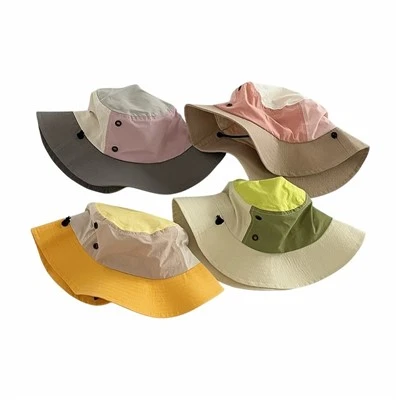
How Proper Care Helps a Bucket Hat Last Longer
Good maintenance is not complicated.
Between washes, you can extend the life of your hat by:
Keeping it dry before storage
Avoiding heavy objects on top of it
Cleaning stains early
Allowing sweat to dry before storing
Keeping it away from unnecessary heat
For travelers and outdoor users, storing the hat loosely rather than crushing it into a bag can also help preserve its shape.
Final Takeaway
The safest way to wash a bucket hat is not about using an expensive cleaning product. It is about using the right amount of care.
Remember these five rules:
Cool water. Mild detergent. Gentle cleaning. No wringing. Natural drying.
Most importantly, check the care label and consider the fabric before washing. Cotton, denim, polyester, and canvas can have different care requirements, while embroidery, prints, and structured brims may need additional attention.
With the right cleaning and drying routine, you can remove everyday dirt and sweat without unnecessarily sacrificing the hat's original shape, color, or appearance.