

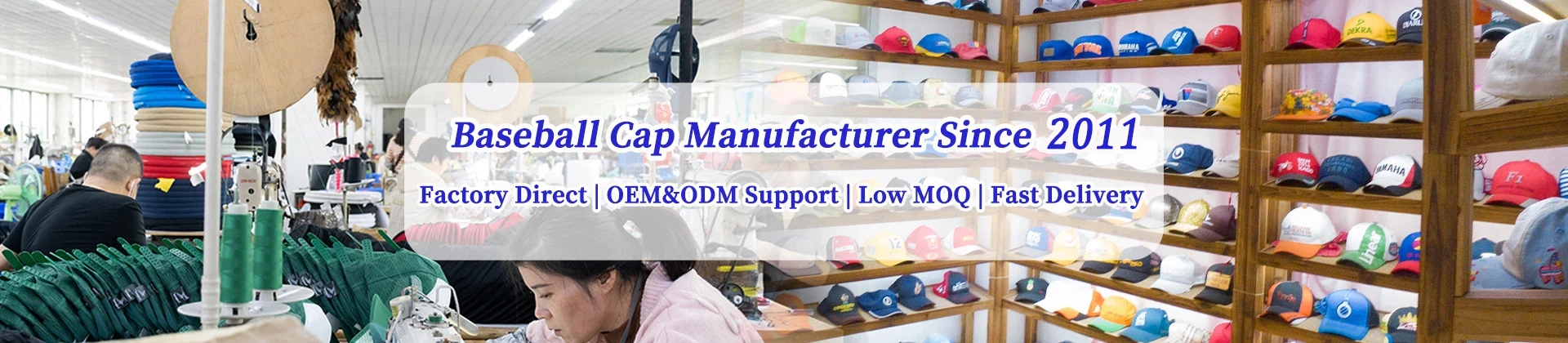
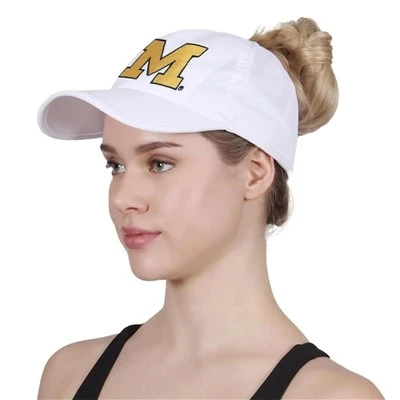
For brand owners, wholesalers, distributors, and promotional item companies, finding a reliable baseball cap wholesale supplier is crucial. A professional baseball cap manufacturer should not only offer competitive prices but also guarantee consistent quality, reliable production capacity, flexible OEM services, and on-time delivery.
As an experienced baseball cap manufacturer, supplier, OEM factory and custom cap producer in China , Wanjia Hat Factory helps global clients develop and produce high-quality baseball caps for fashion brands, sports companies, retail chains and promotional markets.
However, choosing the right baseball cap wholesale supplier involves more than just comparing prices. Buyers also need to assess the factory's production capacity, quality control system, production processes, raw materials, and the potential for long-term cooperation.
This guide explains how professional buyers can assess a baseball cap factory's quality standards and production capacity before placing large orders.
Why Choosing the Right Baseball Cap Wholesale Supplier is Crucial
The global headwear market continues to expand as baseball caps gain popularity in fashion, sports, outdoor activities, and lifestyle. Industry reports indicate that demand for customized headwear is also growing as more brands utilize hats as an effective tool for brand building and marketing.
For companies that purchase thousands of hats, the choice of supplier has a direct impact:
- Consistency of product quality
- Brand reputation
- Customer satisfaction
- Profit Margin
- Delivery reliability
Low-cost suppliers may reduce initial costs, but issues such as poor sewing quality, incorrect sizing, color discrepancies, or shipping delays can lead to higher costs later on.
Professional baseball cap wholesale suppliers should act as production partners, not just product sellers.
What qualities should a reliable baseball cap wholesale supplier possess?
When evaluating a baseball cap factory, buyers should focus on the following five key aspects:
| Evaluation factors | What aspects should buyers check? |
| Manufacturing experience | Years of experience in baseball cap production and export |
| Quality control | Detection system and defect management |
| Customization capabilities | OEM design, fabric, logo, packaging |
| Production capacity | Monthly output, equipment, labor force |
| Communication efficiency | Response speed and project management |
A qualified supplier should be able to translate design concepts into finished products and maintain consistent quality during mass production.
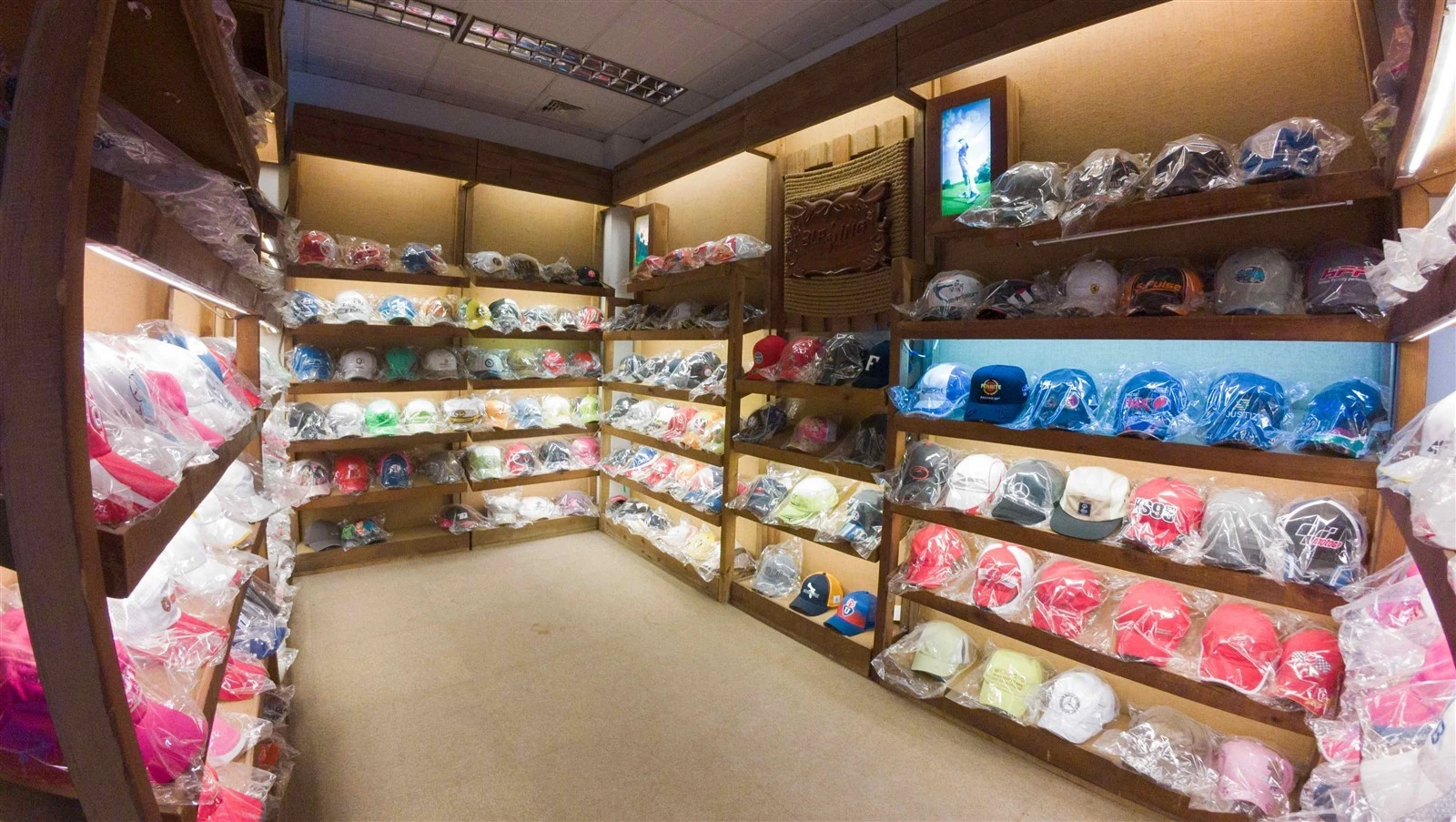
1. Quality Control System: The Foundation of Baseball Cap Production
When choosing a custom baseball cap supplier , quality control is the most important factor.
Mass production involves thousands of individual components, including:
- Coronal panel
- hat brim
- Sweatband
- Fasteners or buckles
- embroidery
- Label
- Packaging materials
Even a small mistake can affect the entire batch of products.
A professional factory should have a comprehensive quality inspection system that covers every stage of production.
Raw material inspection
Before production begins, reputable factories will inspect the incoming materials.
Common inspection items include:
Different baseball caps require different fabrics:
- cotton
- Polyester fiber
- nylon
- canvas
- Twill fabric
- net
- The factory should inspect:
- Fabric thickness
- Color consistency
- Shrinkage
- Durability
- Surface defects
For example, a high-quality cotton baseball cap requires a breathable fabric that is not easily deformed.
Cutting and sewing inspection
The cutting process determines whether each hat is the same size.
Professional manufacturer inspection:
- Panel dimensional accuracy
- Seam alignment
- Stitch density
- Line tension
- Coronal symmetry
- Poor sewing quality usually leads to:
- Uneven panel
- loose thread
- Weak seams
- Incorrect shape
These problems become especially noticeable when customers wear hats.
2. Quality control of embroidery and logos
For branded baseball caps, the quality of the embroidery is an important factor to consider when purchasing.
Many international buyers use this when ordering hats:
- 3D embroidery
- Flat embroidery
- Appliqué embroidery
- Woven Label
- heat transfer
A reliable baseball cap OEM factory should control the following aspects:
High-quality embroidery thread can improve:
Color stability
Washability
Appearance
Too few stitches will make the logo look weak.
Too many stitches may damage the fabric.
Professional factories will test embroidery samples before mass production.
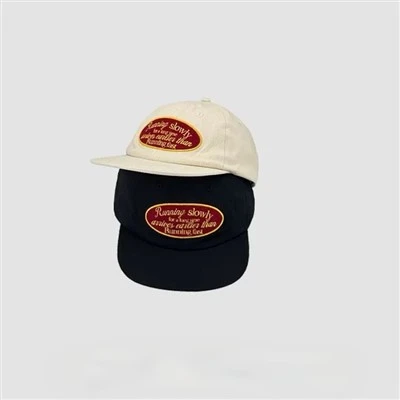
3. Production Capacity: How to Evaluate a Baseball Cap Factory
Production capacity determines whether a supplier can handle large orders.
Factories may offer attractive prices, but buyers may face challenges if production capacity is limited.
Delayed delivery
Production delays
Hasty actions lead to quality problems
Before cooperating, the buyer should ask:
How many baseball caps can your factory produce per month?
How many production lines does your company have?
How many workers are involved in the production process?
What is the average delivery time for bulk orders?
Can you handle seasonal demand increases?
Typical baseball cap production process
Professional baseball cap factories typically follow these steps:
Production Process
Step 1: Design Confirmation
Step 2: Material Selection
Step 3: Sample Development
Step 4: Bulk Material Preparation
Step 5: Cutting
Step 6: Sewing
Step 7: Logo Application
Step 8: Quality Inspection
Step 9: Packaging and Shipping
Each stage requires professional management to ensure stable output.
A New Chapter: How Professional Buyers Can Verify Baseball Cap Suppliers Before Ordering
Many international buyers now vet suppliers before placing large orders.
Factory audits help reduce risk and confirm whether suppliers can meet expectations.
Here is a useful assessment checklist.
Step 1: Review the factory background
Check:
Company History
export market
Main products
Customer Industry
Manufacturing experience
Factory that specializes in producing hats usually has a better understanding of the production details than general trading companies.
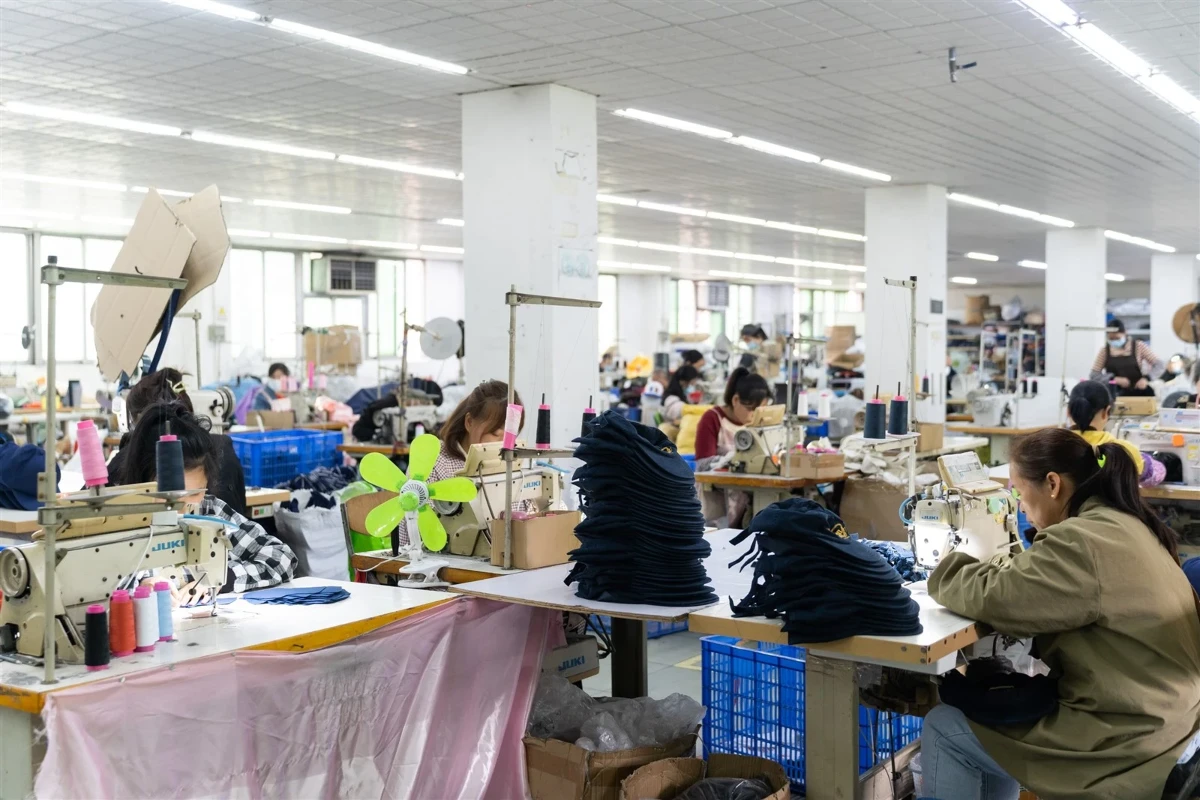
Step Two: Request Evidence of Production
ask:
- Factory photos
- Production line video
- Quality Inspection Records
- Previous OEM projects
- sample
This helps to confirm the actual production capacity.
Step 3: Small-batch trial order testing
Before placing a large order, many professional buyers will do the following:
- Sample Approval
- Small batch production
- Pilot orders
- This allows buyers to evaluate:
- communicate
- Product quality
- Package
- Delivery performance
Factory or trading company: Which supplier is better?
Many buyers are unsure whether they should work directly with the factory or with a trading company.
These differences are important.
| Factory Supplier | Trading company |
|---|---|
| Direct Production Control | Depends on external factory |
| Better customization capabilities | Limited technical control |
| Solve problems faster | Communicating through an intermediary |
| More flexible OEM services | It may cost more |
For brands that need custom baseball caps, working directly with manufacturers usually provides better control.
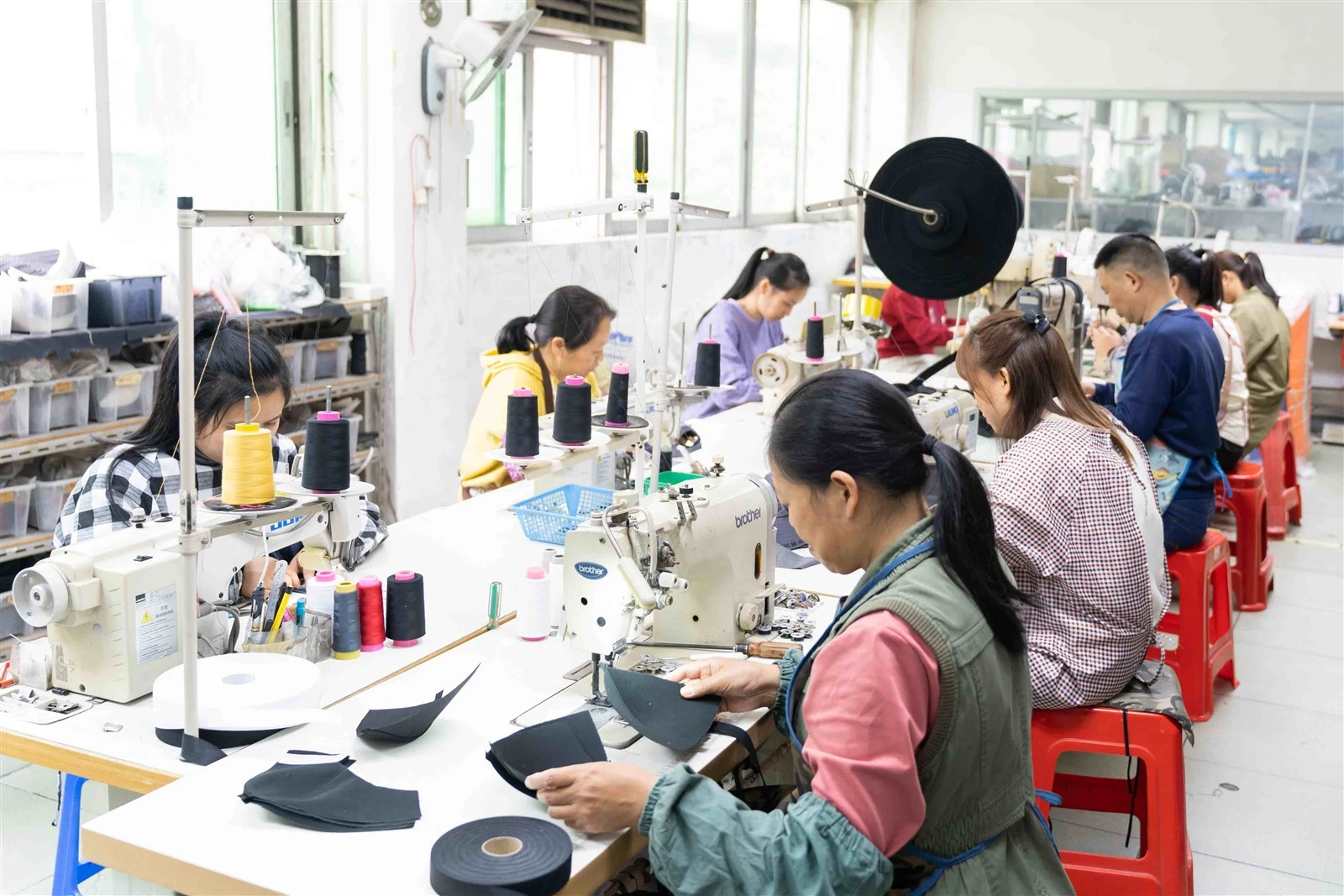
How professional factories can support international brands
For example, a fashion brand might make the following requests:
Custom washed cotton baseball cap
Unique embroidery artwork
Special color scheme
Customized Labels
Retail Packaging
Professional OEM factories follow a structured development process.
Phase 1: Design Analysis
Factory Review:
Capital Structure
Fabric requirements
Marker location
Color matching
Production difficulty
Manufacturing experts offered the following suggestions for improvement:
Durability
Cost-effectiveness
Production stability
Phase Two: Prototype Development
Before mass production, samples will be made first.
The sampling process checks the following:
| thing | Inspection Focus |
|---|---|
| shape | Crown structure and fitting |
| fabric | feel and durability |
| logo | Embroidery precision |
| Accessories | Buckles, tags, buttons |
| color | Pantone color scheme |
Good suppliers understand that samples are not just for product testing, but also the foundation for successful mass production.
Phase 3: Mass Production Management
In the process of mass production, the factory controls:
Material preparation
Production Plan
Worker allocation
Quality inspection frequency
This can avoid the following problems:
The colors vary between different batches.
Uneven embroidery quality
Measurement error
How does Wanjia Hat Factory ensure the stability of baseball cap production?
As a professional Chinese hat manufacturer, Wanjia Hat Factory focuses on producing OEM baseball caps for international clients.
Our production management system includes:
1. Experienced manufacturing team
A skilled production team understands:
Baseball cap structure
Fabric properties
Embroidery techniques
Custom design requirements
Experience helps identify potential problems before production begins.
2. Flexible OEM customization
Global buyers can customize:
Hat styles
fabric
color
logo
Closed type
Label
Package
Common customization options include:
Capital Structure
Five-piece baseball cap
Six-piece baseball cap
Dad hat
Low crown
Trucker hat
sports cap
Logo options
Flat embroidery
3D embroidery
Printed logo
Leather patch
Woven Label
Practical Guide: How to Calculate Whether a Supplier Can Process Your Order
Buyers should estimate their production needs before placing large orders.
A simple evaluation method:
Monthly production capacity formula
Available capacity = Number of production lines × Daily output × Number of working days
For example:
A factory with the following facilities:
3 production lines
Each production line produces 1,000 bottle caps per day.
25 working days per month
Expected capacity:
3 × 1,000 × 25 = 75,000 bottle caps/month
However, buyers should also consider the following factors:
Existing customer orders
Seasonal demand
Custom complexity
Material supply situation
Reliability cannot be guaranteed solely by capacity figures.
Baseball Cap Bulk Order Quality Control Checklist
Before shipment, a professional supplier should conduct a final inspection.
Visual inspection
Check:
✓ Correct color
✓ Clear embroidery
✓ No loose threads
✓ No stains
✓ Proper shape
Dimensional inspection
measure:
Head circumference
Crown
Hat brim length
Closed adjustment range
Different markets may require different sizing standards.
For example:
North American customers typically prefer adjustable styles.
European brands may need more precise sizing options.
Packaging Inspection
Bulk orders should also include packaging inspection:
Correct quantity per box
Protection during transportation
Label correctly
Barcode requirements
Even if a product is of good quality, improper packaging can damage it.
Sustainable development trend in baseball cap manufacturing
Sustainability has become an important purchasing factor for many international brands.
More buyers have raised the following requirements:
Recycled polyester fiber fabric
Organic cotton material
Reduce plastic packaging
Responsible production process
Modern baseball cap suppliers should understand the environmental expectations of their global customers.
Sustainable options may include:
| Material | Advantages |
|---|---|
| Organic cotton | Natural and environmentally friendly |
| Recycled Polyester | Reduce plastic waste |
| Regenerated Nylon | Durable and lightweight |
| Eco-friendly packaging | Reduce transportation waste |
For brands targeting the high-end market, sustainable materials can also enhance product value.
Common mistakes buyers make when choosing a baseball cap supplier
Myth 1: Choosing based solely on price
The supplier with the lowest price is not always the most economical.
Low price may mean:
low-quality materials
Limited quality control
Limited production experience
Mistake 2: Neglecting communication skills
International production requires clear communication.
A reliable supplier should respond quickly to the following questions:
sample
Production Update
Shipping Schedule
Technical issues
Error 3: Production details not confirmed
Please confirm before placing your order:
Fabric Specifications
Logo Method
Packaging requirements
Quality Standards
Delivery Schedule
Clear communication can prevent costly misunderstandings.
Experts suggest: Questions to ask before choosing a baseball cap wholesale supplier
Professional buyers should prepare the following questions:
Manufacturing problems
How long have you been producing baseball caps?
Do you own your own production facilities?
What types of hats do you specialize in?
Quality issues
What kind of quality inspection process do you use?
How to control production consistency?
Can you provide pre-shipment inspection?
OEM issues
Do you offer custom design services?
What is your minimum order quantity?
Do you support your own brands?
Delivery issues
What is your average production cycle time?
How do you handle urgent orders?
Which delivery methods do you support?
Why choose US?
Choosing the right production partner helps a brand achieve long-term success.

-
Professional OEM manufacturing
From concept development to finished product, we support custom baseball cap projects.
-
Stable production capacity
Our extensive production experience helps ensure consistent quality for large-volume orders.
-
Flexible customization solutions
We collaborate with brand owners, wholesalers, and distributors to create unique hat collections.
-
Quality-centered production
From material selection to final inspection, every step is meticulously managed.
Conclusion: Choose a reliable baseball cap wholesale supplier
Finding the right baseball cap supplier requires evaluating more than just price.
A successful partnership depends on:
Strict quality control
Reliable production capacity
Professional OEM experience
Clear communication
Consistent and stable delivery performance
For international brands and wholesalers, trustworthy manufacturers are an important part of the supply chain.
By carefully examining a factory's production capacity, production systems, and quality standards, buyers can select suppliers who can support the company's long-term development.
FAQ
Q: 1. How should I choose a baseball cap wholesale supplier?
A: A reliable supplier should have extensive manufacturing experience, stable production capacity, strict quality control procedures, and the ability to provide OEM customization services.
Q: 2. What is the minimum order quantity for custom baseball caps?
A: The minimum order quantity depends on the supplier, hat style, material, and customization requirements. Many factories offer flexible minimum order quantity options for businesses of different sizes.
Q: 3. How long does it take to mass-produce baseball caps?
A: Production time typically depends on design complexity, order quantity, material availability, and customization requirements. Standard bulk orders usually take several weeks from approval to shipment.
Q: 4. Can baseball cap factories customize logos and designs?
A: Yes. Professional OEM manufacturers can provide customized embroidery, printing, patchwork, labeling, color, fabric, and packaging solutions.
Q: 5. How can I verify the production capacity of a baseball cap supplier?
A: Buyers can request factory information, production videos, sample development records, customer reference materials, and place trial orders before large-scale purchases.
Q: 6. What quality standards should baseball cap suppliers follow?
A: Professional suppliers should establish an internal quality inspection system that covers materials, sewing, embroidery, size, appearance, and final packaging.
reference
Grand View Research - Headwear Market Analysis
International Organization for Standardization (ISO) – Quality Management Systems
Textile Exchange - Sustainable Materials Report
Ellen MacArthur Foundation - Circular Economy Resources
World Trade Organization - Global Trade Information