


How Much Do Custom Hats Cost? A Complete Guide for Brands and Buyers
When businesses search for custom hat pricing, the first question is usually: "How much does a custom hat cost?"
The answer depends on several factors, including materials, design complexity, logo customization, labor costs, order quantity, and production requirements.
A simple cotton baseball cap with a basic logo may have a completely different price from a premium embroidered bucket hat with custom packaging.
For brands, wholesalers, and promotional companies, understanding custom hat costs is important because it helps control budgets, select the right supplier, and create products with better profit margins.
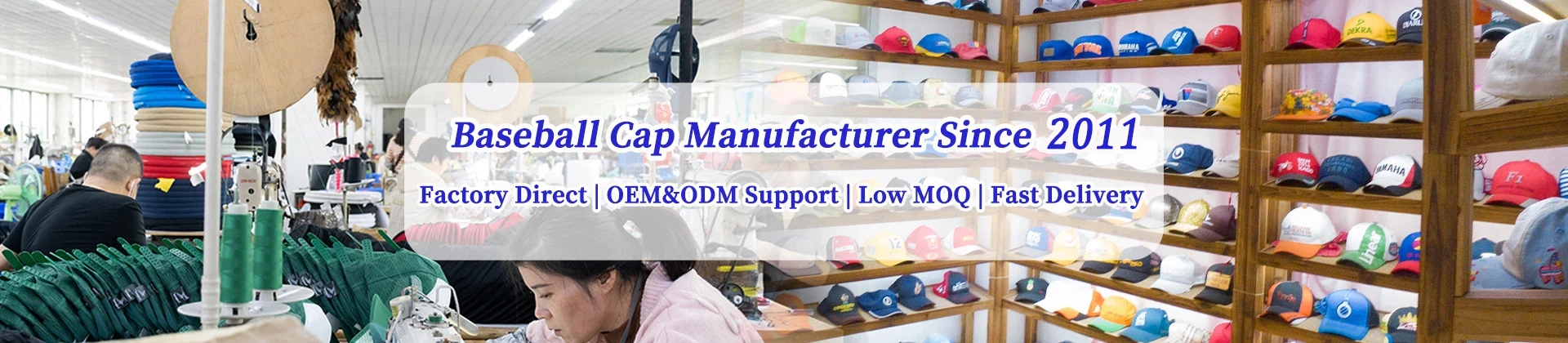
As a professional custom hat manufacturer in China, Wanjia Hat Factory provides OEM and ODM hat solutions for global brands, retailers, and distributors. We help customers understand every cost factor, from fabric selection to final production.
This guide explains how custom hat pricing is calculated, what affects the final quotation, and how businesses can optimize costs without sacrificing quality.
What Factors Affect Custom Hat Pricing?
Custom hat pricing is not based on one single element.
A professional manufacturer usually calculates costs based on:
- Material selection
- Hat construction
- Logo and decoration methods
- Labor requirements
- Order quantity
- Packaging and shipping requirements
The final price is the combination of these production factors.
The basic formula is:
Custom Hat Price = Materials + Manufacturing Labor + Customization + Packaging + Factory Overhead + Profit Margin
Understanding these components helps buyers make better purchasing decisions.
1. Material Costs: The Foundation of Custom Hat Pricing
Material is one of the biggest factors affecting the cost of custom hats.
Different fabrics create different product positioning.
A premium fashion brand and a promotional giveaway company usually require different materials.
Common Hat Materials and Price Differences
| Material | Features | Cost Level | Suitable For |
| Cotton Twill | Soft, breathable, comfortable | Medium | Fashion brands, daily wear |
| Polyester | Durable, lightweight, quick drying | Low–Medium | Sports, promotional hats |
| Nylon | Water-resistant, strong | Medium–High | Outdoor brands |
| Denim | Premium casual appearance | Medium–High | Lifestyle brands |
| Wool Blend | Warm, luxury feeling | High | Premium collections |
| Recycled Fabric | Sustainable image | Medium–High | Eco-friendly brands |
Cotton Hats vs Polyester Hats: Which Is More Cost-Effective?
Many buyers compare cotton and polyester when developing custom hats.
Cotton Advantages:
Natural feeling
Comfortable against skin
Premium appearance
Popular for lifestyle products

Polyester Advantages:
Lower material cost
Better durability
Faster drying
Suitable for large production

For example:
A streetwear brand creating a premium dad hat collection may choose washed cotton twill because customers value texture and comfort.
A company ordering 20,000 promotional hats may choose polyester because cost efficiency is more important.
The "best" material depends on the target market.
Hat Design Complexity and Construction Costs
The structure of a hat directly affects manufacturing time.
A basic hat requires fewer production steps.
A highly customized hat requires more labor and technical control.
Simple Custom Hat Design
Examples:
Standard 5-panel cap
Single-color fabric
Front logo embroidery
Standard adjustable closure
Production is faster because:
Fewer materials are required
Sewing process is simpler
Quality inspection is easier

Complex Custom Hat Design
Examples:
Reversible bucket hats
Multi-panel baseball caps
Special crown shapes
Hidden pockets
Custom straps
Multiple embroidery locations
These designs require:
More cutting processes
Additional sewing steps
More quality checks
Higher production time
Therefore, the price increases.
Logo Customization: Embroidery, Printing, and Other Options
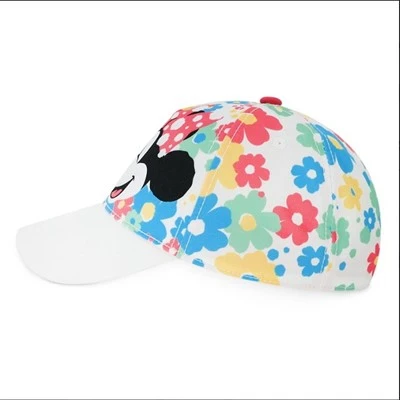
Logo decoration is another major factor in custom hat pricing.
Different techniques create different costs.
Embroidery Cost Factors
Embroidery is one of the most popular choices for custom hats.
The price depends on:
Stitch count
Logo size
Number of colors
Position
Number of embroidery areas
For example:
A small front logo requires fewer stitches than a large front-and-back embroidery design.
A detailed logo with thousands of stitches will increase production costs.
Printing Cost Factors
Printing is often selected for:
Large artwork
Colorful designs
All-over patterns
Common printing methods include:
Screen printing
Heat transfer
Sublimation printing
Sublimation printing is especially popular for polyester hats because it allows:
Full-color designs
Detailed patterns
Long-lasting colors
Logo Method Comparison
| Decoration Method | Cost | Best For |
| Embroidery | Medium–High | Premium brands |
| Screen Printing | Low–Medium | Simple logos |
| Heat Transfer | Medium | Small batches |
| Sublimation | Medium | Full-color designs |
| Woven Label | Low–Medium | Brand details |


Labor Costs: Why Manufacturing Skill Matters
Many buyers focus only on material prices, but labor is also an important part of custom hat pricing.
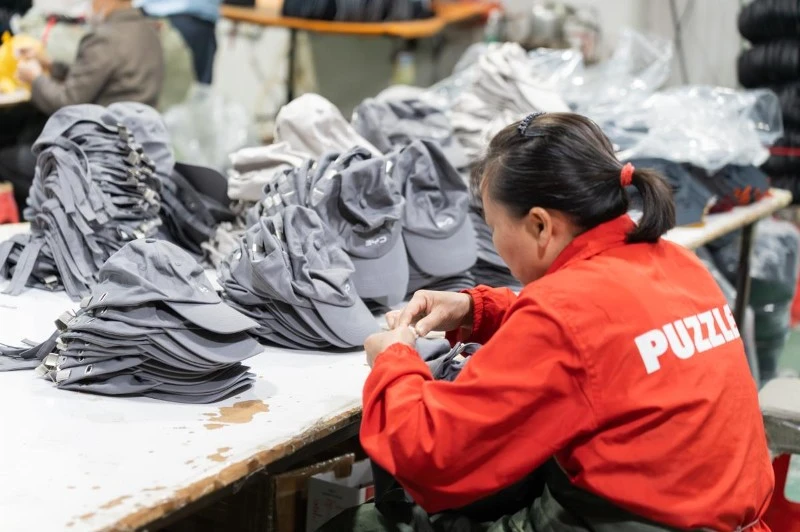
A quality hat requires many production steps.
Typical manufacturing process:
Step 1: Fabric Preparation
Workers inspect and prepare materials before cutting.
Step 2: Cutting
Fabric pieces are cut according to the hat pattern.
Accuracy is important because incorrect cutting affects the final shape.
Step 3: Sewing
Panels, sweatbands, labels, and closures are assembled.
This stage requires experienced workers.
Step 4: Logo Application
Embroidery or printing is completed according to customer requirements.
Step 5: Quality Inspection
Each hat is checked for:
Stitching problems
Shape consistency
Logo accuracy
Fabric defects
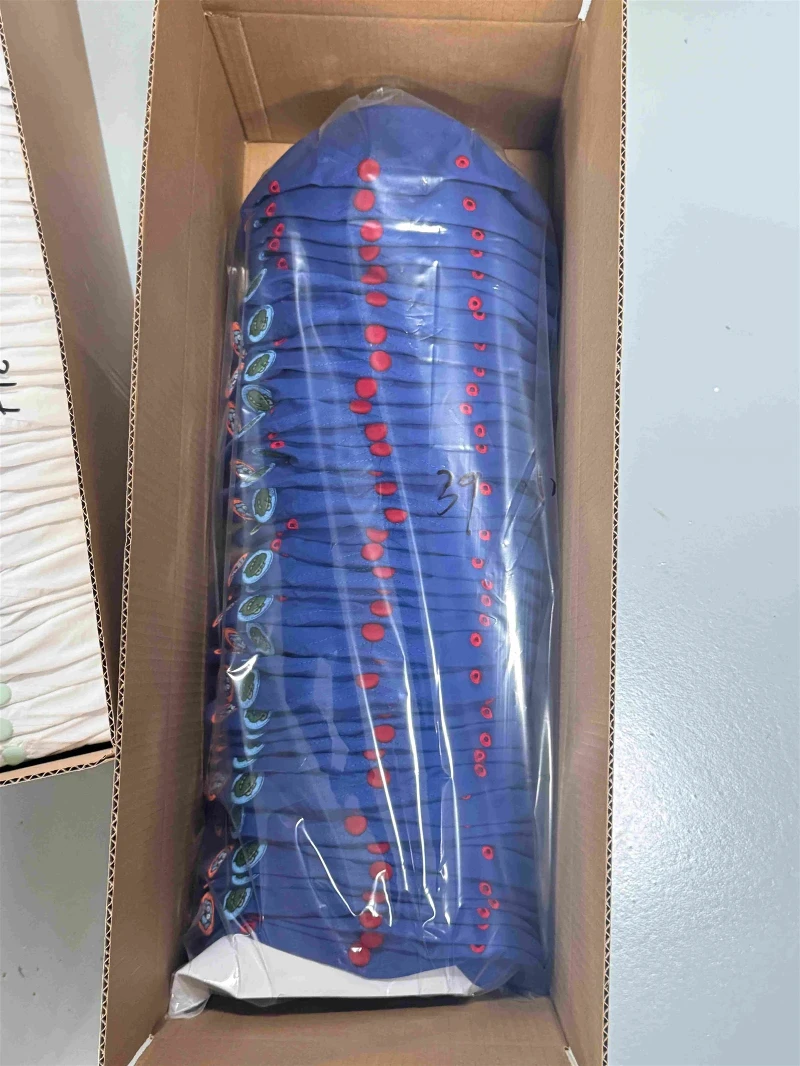
Step 6: Packaging
Products are packed according to export requirements.
A manufacturer with experienced workers may have slightly higher labor costs, but this often reduces:
Production mistakes
Rework costs
Delivery delays
For brands, lower factory prices do not always mean lower total costs.
How Order Quantity Affects Custom Hat Pricing
Quantity is one of the biggest factors influencing unit price.
Generally:
Higher quantity = Lower unit cost
Why?
Because many production costs are fixed.
For example:
Pattern preparation
Sample development
Machine setup
Production planning
are spread across more units.
Example:
A buyer orders:
| Quantity | Estimated Cost Trend |
|---|---|
| 100 pieces | Higher unit price |
| 500 pieces | Medium price |
| 1,000 pieces | Better price |
| 5,000+ pieces | Most competitive pricing |
However, brands should not order excessive quantities only to reduce cost.
Inventory risk is also important.
A professional supplier can help buyers find the balance between:
- Production cost
- Market demand
- Storage pressure
Hidden Costs in Custom Hat Production Buyers Should Understand
Many buyers focus only on the unit price shown in a quotation.
However, professional purchasing teams know that the real cost of custom hats includes more than the product price.
Understanding hidden costs helps brands avoid unexpected expenses.
1. Sample Development Cost
Before mass production, most brands need samples.
A sample allows buyers to confirm:
Hat shape
Fabric quality
Color accuracy
Logo position
Stitching details
Sample costs may include:
Material preparation
Pattern adjustment
Embroidery setup
Labor time
Although samples create an additional cost, they help prevent expensive mistakes during bulk production.
A small investment in sampling can save thousands of dollars in large orders.
2. Mold, Pattern, and Special Design Costs
Standard hat styles usually do not require additional development fees.
However, completely new designs may require:
New patterns
Special cutting templates
Unique accessories
Customized structures
Examples:
A standard bucket hat:
Existing pattern
Standard brim
Normal sewing process
A customized reversible bucket hat:
Two fabric layers
More sewing steps
More complicated quality control
Therefore, development costs will be higher.
3. Packaging and Branding Costs
For fashion brands, packaging is part of the customer experience.
Custom packaging options include:
- Hang tags
- Woven labels
- Poly bags
- Custom boxes
- Brand cards
A premium brand may invest more in packaging because it increases perceived value.
For example:
A $10 retail hat with luxury packaging may create a much stronger brand impression than the same hat in simple packaging.
Real OEM Example: How Design Choices Change Custom Hat Costs
To understand pricing better, let's compare two different projects.
Example A: Promotional Baseball Caps
Customer requirement:
- 1,000 pieces
- Polyester material
- One-color embroidery logo
- Standard adjustable closure
- Simple packaging
Cost control strategy:
- Use common fabric
- Use standard construction
- Reduce customization complexity
Result:
- Lower production cost and faster delivery.
Example B: Premium Lifestyle Bucket Hats
Customer requirement:
1,000 pieces
Heavy cotton twill
Custom color
Reversible design
Embroidered logo
Custom woven label
Branded packaging
Additional production requirements:
More fabric usage
More sewing operations
More quality inspection
More customization steps
Result:
Higher unit cost but stronger brand value.
The important lesson:
Custom hat pricing is not only about reducing cost. It is about choosing the right specifications for your market.
How to Reduce Custom Hat Costs Without Lowering Quality
Many brands want competitive pricing but do not want cheap-looking products.
The following strategies can help.
1. Choose the Right Material
Instead of selecting the cheapest fabric, consider:
Customer expectations
Product positioning
Retail price
For example:
A premium streetwear brand should not choose low-quality polyester only to reduce cost.
Customers will notice:
Fabric feeling
Hat structure
Wearing comfort
2. Optimize Logo Design
Logo customization can significantly affect cost.
To control embroidery expenses:
Choose:
Reasonable logo size
Appropriate stitch density
Fewer colors when possible
For example:
A simple embroidered logo on the front panel usually costs less than:
Front embroidery
Side embroidery
Back embroidery
combined.
3. Use Standard Hat Structures
Custom designs create differentiation, but complex structures increase production costs.
Brands can reduce costs by:
Using proven hat patterns
Avoiding unnecessary construction changes
Choosing standard accessories
A professional manufacturer can recommend where customization creates value and where it only increases cost.
4. Plan Orders Earlier
Urgent production often creates additional costs.
Early planning allows:
Better material sourcing
More efficient production scheduling
Lower shipping pressure
For seasonal products such as:
Summer bucket hats
Outdoor caps
Festival hats
early production planning is especially important.

How to Choose the Right Custom Hat Manufacturer
Price is important, but it should not be the only selection factor.
A reliable OEM supplier should provide:
1. Manufacturing Experience
Experienced factories understand:
- Fabric performance
- Hat construction
- Export requirements
- Quality expectations
2. Clear Communication
A good supplier should clearly explain:
- Material options
- Production timeline
- Cost structure
- Possible challenges
Transparent communication reduces misunderstandings.
3. Flexible Customization Ability
For growing brands, flexibility matters.
Look for suppliers who can support:
- Custom colors
- Different materials
- Various logo methods
- Custom packaging
- Different hat styles
4. Quality Control System
Before shipment, suppliers should check:
- Clean stitching
- No loose threads
- Correct shape
- Size accuracy
- Brim dimensions
- Crown height
Decoration
- Correct logo placement
- Color consistency
- Embroidery quality
Why Partner With Wanjia Hat Factory for Custom Hats?
Wanjia Hat Factory is a professional OEM custom hat manufacturer in China, specializing in customized hats for overseas brands, wholesalers, and promotional companies.
We help customers manage every stage of production:
Product Development Support
From the first idea to the final product, we assist with:
Material selection
Hat structure recommendations
Decoration methods
Production solutions
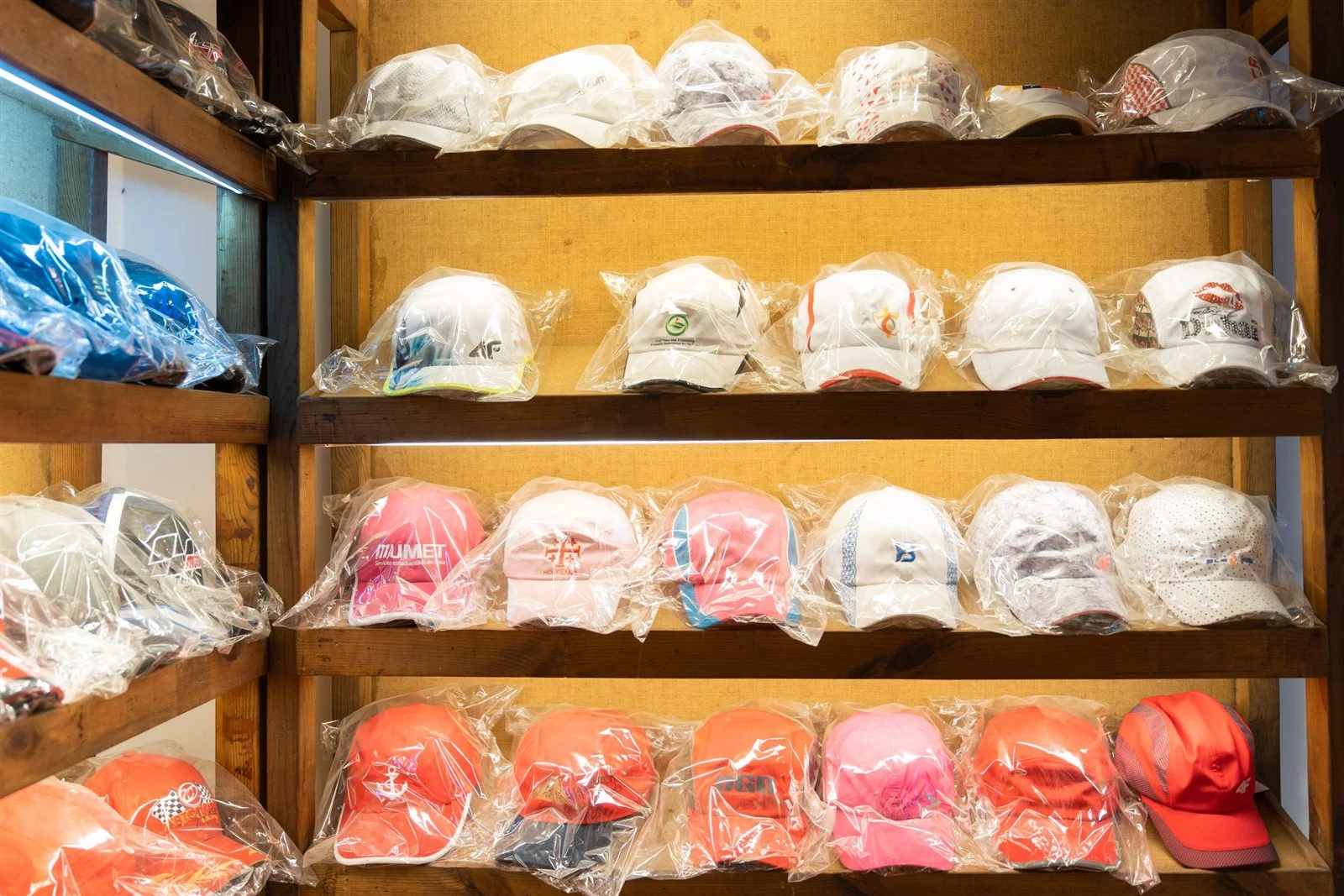
Wide Range of Custom Hat Options
Our production capabilities include:
Baseball caps
Bucket hats
Trucker hats
Sun hats
Visors
Fashion hats
Customization options:
Embroidery
Printing
Woven labels
Custom packaging
Special designs
OEM Manufacturing Advantages
Working with an experienced factory helps brands achieve:
Better cost control
Because production decisions are optimized from the beginning.
Stable quality
Because every production stage is controlled.
Professional support
Because buyers receive manufacturing recommendations instead of only a price quote.
Future Trend: Custom Hat Pricing Will Focus More on Value
The hat industry is changing.
In the past, many buyers focused mainly on the lowest possible price.
Today, successful brands focus on:
Product quality
Brand identity
Customer experience
Sustainable materials
A slightly higher manufacturing cost can create a much stronger retail product.
For example:
A basic hat may compete only on price.
A well-designed custom hat can compete through:
Unique appearance
Better comfort
Brand recognition
Customer loyalty
Therefore, the goal should not always be finding the cheapest custom hat.
The goal is finding the best balance between cost, quality, and market value.

Conclusion: Understanding Custom Hat Pricing Helps Brands Make Better Decisions
Custom hat pricing depends on many details, including:
Materials
Design complexity
Logo method
Labor requirements
Quantity
Packaging
For brands, understanding these factors makes communication with manufacturers easier and helps create realistic budgets.
A professional OEM supplier can provide more than production.
They can help transform an idea into a market-ready product.
Whether you are developing promotional caps, streetwear bucket hats, or premium branded collections, choosing the right manufacturing partner is the first step toward success.
FAQ
Q: 1. How Much Does A Custom Hat Cost?
A: The cost of a custom hat depends on materials, design, logo method, order quantity, and packaging requirements. Simple designs usually cost less, while premium materials and complex customization increase the price.
Q: 2. What Is The Biggest Factor Affecting Custom Hat Pricing?
A: Material selection and customization requirements are usually the biggest cost factors. Fabric type, embroidery size, special structures, and production complexity directly affect the final quotation.
Q: 3. Is Embroidery More Expensive Than Printing On Custom Hats?
A: Usually, embroidery costs more than basic printing because it requires more production time and depends on stitch count, logo size, and design complexity. However, embroidery often provides a more premium appearance.
Q: 4. Does Ordering More Custom Hats Reduce The Price?
A: Yes. Larger quantities usually reduce the unit price because fixed production costs such as setup and preparation are distributed across more pieces.
Q: 5. What Information Should I Provide When Requesting A Custom Hat Quotation?
A: A detailed quotation request should include:
Hat style
Material preference
Quantity
Logo artwork
Logo position
Size requirements
Packaging needs
Shipping destination
Providing complete information helps manufacturers give more accurate pricing.
Q: 6. How Can I Reduce Custom Hat Costs?
A: You can reduce costs by:
Selecting suitable materials
Simplifying unnecessary design details
Optimizing logo size
Ordering reasonable quantities
Planning production earlier
Q: 7. Why Should Brands Work With An OEM Hat Manufacturer Instead Of A Trading Company?
A: A direct OEM manufacturer usually provides better control over:
Product quality
Production communication
Customization options
Cost optimization
This helps brands develop more competitive products.
References
FashionUnited - Global Fashion Industry News and Market Insights
https://fashionunited.com/
The Business of Fashion - Fashion Industry Analysis and Reports
https://www.businessoffashion.com/
Statista - Apparel and Fashion Market Data
https://www.statista.com/markets/418/topic/475/clothing/
WGSN - Fashion Trend Forecasting and Consumer Insights
https://www.wgsn.com/
International Trade Centre (ITC) - Global Trade Information and Market Analysis
https://intracen.org/