

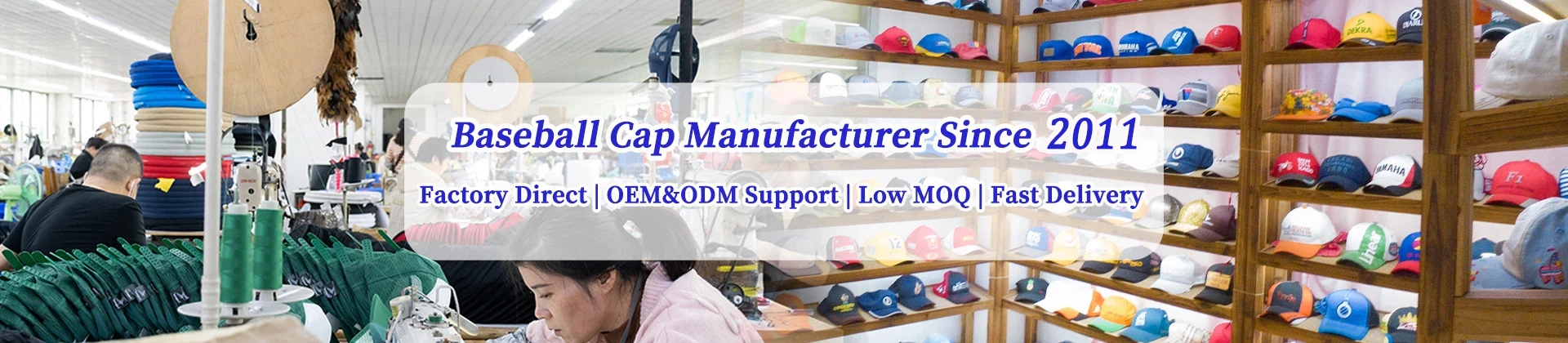

Baseball caps are one of the most popular accessories in the world. From sports teams and fashion brands to promotional events and corporate uniforms, these versatile hats are worn by people of all ages. While a baseball cap may look simple, producing a high-quality cap requires careful planning, skilled craftsmanship, and strict quality control.
So, how are baseball caps made? The answer involves much more than sewing fabric together. Every cap goes through a detailed manufacturing process that includes material selection, pattern design, cutting, embroidery or printing, sewing, shaping, inspection, and packaging.
In this guide, we'll explain the complete baseball cap manufacturing process step by step and show why each stage plays an important role in creating a durable, comfortable, and stylish product.
What Makes Up a Baseball Cap?
Before looking at the production process, it's helpful to understand the main parts of a baseball cap.
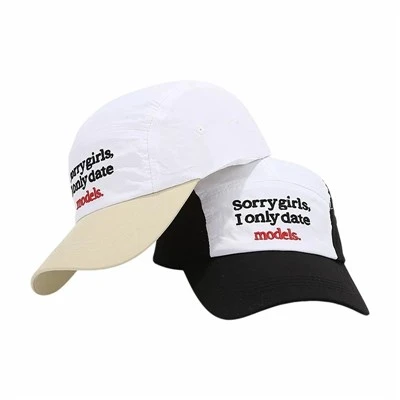
The crown is the upper section that covers the head and is usually made from five or six fabric panels. The brim, also called the visor, helps protect the eyes from sunlight while giving the cap its distinctive shape. Inside the cap, the sweatband absorbs moisture and improves comfort. Finally, the closure-such as a snapback, metal buckle, Velcro strap, or fitted design-determines how the cap fits different head sizes.
Each component must be carefully manufactured and assembled to ensure both comfort and durability.
Step 1: Selecting the Right Materials
Every high-quality baseball cap begins with selecting the right fabric.
Cotton remains one of the most popular choices because it is soft, breathable, and comfortable for everyday wear. Polyester is commonly used for sports caps due to its lightweight feel, moisture resistance, and durability. Nylon is ideal for outdoor and performance headwear because it dries quickly and resists water. Premium fashion caps may also use canvas, corduroy, or blended fabrics to achieve a unique appearance and texture.
The choice of material affects not only comfort but also embroidery quality, color consistency, and the overall lifespan of the cap.
Step 2: Designing the Cap
Once the material is selected, the design process begins.
Manufacturers first create digital patterns that define the size and shape of each fabric panel. They also determine whether the cap will use a five-panel or six-panel construction, depending on the desired style.
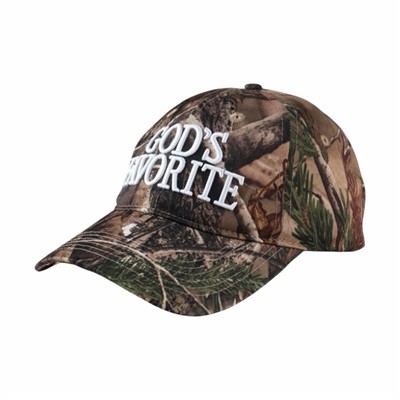
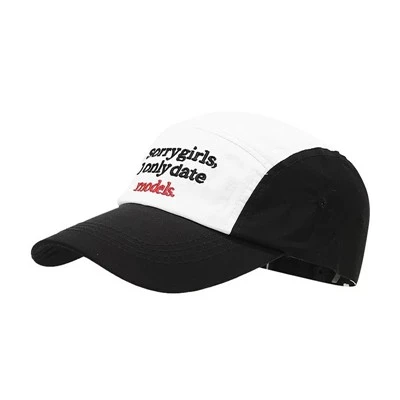
At this stage, customers choosing custom baseball caps can specify logo placement, thread colors, brim style, closure type, and additional branding elements such as woven labels or custom packaging.
Modern factories often create digital mockups or physical samples before mass production to ensure every detail meets customer expectations.
Step 3: Cutting the Fabric
After the design is approved, large rolls of fabric are cut into individual panels using computer-controlled cutting machines.
Automated cutting equipment improves accuracy, reduces material waste, and ensures every cap has consistent dimensions. Precise cutting is essential because even small differences between panels can affect the final fit and appearance.
The cut pieces are then sorted and prepared for decoration or sewing.
Step 4: Adding Logos and Decorations
One of the most important stages in the baseball cap production process is decorating the cap.
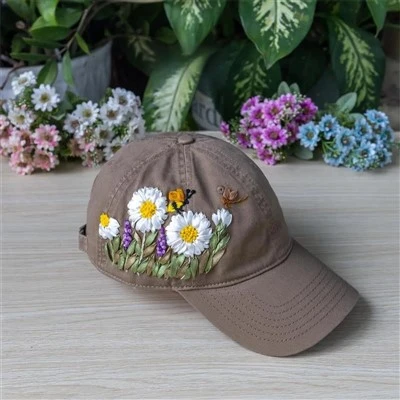
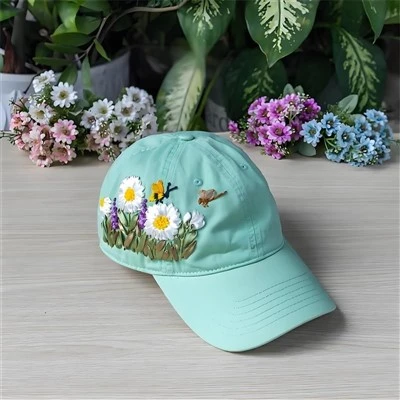
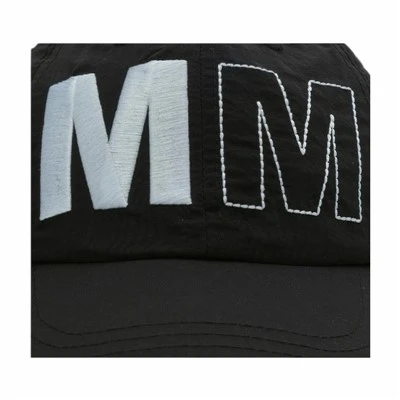
Embroidery remains the preferred choice for many brands because it creates a premium, textured appearance that lasts for years. Flat embroidery works well for detailed logos and small text, while 3D puff embroidery creates a raised effect that makes bold designs stand out.
For colorful graphics or complex artwork, manufacturers may use screen printing or heat transfer printing. Some premium brands also choose leather patches, woven patches, PVC patches, or rubber badges to create a distinctive look.
Selecting the right decoration method depends on the logo design, target market, and budget.
Step 5: Sewing and Assembly
After decoration is complete, skilled operators begin assembling the cap.
The individual fabric panels are stitched together to form the crown. Eyelets are added to improve ventilation, while the sweatband is sewn inside to provide comfort during daily wear.
Next, the brim is attached to the crown. The brim itself contains a strong insert that helps maintain its shape over time. Finally, the chosen closure-such as a snapback, buckle, or Velcro strap-is installed.
At this stage, precision is critical. Straight stitching, even seam allowances, and secure construction all contribute to the overall quality of the finished cap.
Step 6: Shaping the Cap
Many people don't realize that a baseball cap receives its final shape after sewing.
The assembled cap is placed on special molds and treated with heat or steam to form the crown. The brim is then curved or shaped according to the product design.
This process ensures the cap maintains its structure, fits comfortably, and looks consistent across every production batch.
High-quality shaping is one reason premium baseball caps retain their appearance even after long-term use.
Step 7: Quality Inspection
Before packaging, every cap undergoes a thorough quality inspection.
Inspectors check the fabric for defects, verify the embroidery or printing quality, measure the cap size, inspect stitching, and confirm that the brim and closure meet production standards.
Many manufacturers also perform random inspections on completed cartons to ensure consistency across large orders.
Strict quality control helps reduce defects and ensures customers receive products that match approved samples.
Step 8: Packaging and Shipping
Once the inspection is complete, the caps are carefully packaged to prevent damage during transportation.
Depending on customer requirements, products may be packed individually in poly bags or grouped in export cartons with protective inserts. Retail-ready packaging, custom boxes, barcode labels, and branded hang tags can also be added for private label projects.
After packaging, the finished products are prepared for worldwide shipping by sea, air, or express courier.
How Custom Baseball Caps Are Made
The manufacturing process for custom baseball caps includes several additional steps beyond standard production.
Customers first provide their logo, artwork, or design concept. The manufacturer then creates a digital proof and recommends suitable materials, embroidery methods, colors, and construction details.
After the customer approves the sample, bulk production begins. Throughout manufacturing, quality checks are performed to ensure the final products match the approved design in every detail.
This process allows brands to create unique headwear that reflects their identity while maintaining consistent quality across every order.
What Determines the Quality of a Baseball Cap?
Not all baseball caps are made to the same standard. Several factors influence the final quality of the product.
The quality of the fabric affects comfort and durability. Accurate cutting ensures a consistent fit. Professional embroidery creates sharp, clean logos, while precise stitching strengthens the overall structure of the cap.
Equally important are the shaping process and quality inspection. These final steps help ensure every cap maintains its appearance, fits correctly, and meets customer expectations.
Working with an experienced manufacturer also plays a significant role. Skilled production teams, modern equipment, and strict quality control systems help deliver reliable results for both small and large orders.

Final Thoughts
Understanding how baseball caps are made gives you a greater appreciation for the craftsmanship behind every finished product. From selecting premium materials and creating accurate patterns to embroidery, sewing, shaping, and quality inspection, every step contributes to the cap's comfort, durability, and appearance.
Whether you're purchasing a cap for personal use or sourcing products for your business, knowing the manufacturing process can help you make better decisions and recognize true quality.
If you're planning to develop your own branded headwear, partnering with an experienced baseball cap manufacturer ensures your designs are produced with consistent craftsmanship, reliable quality, and attention to detail-helping your brand stand out in a competitive market.