

Many people's first reaction when looking for a bucket hat factory is to compare prices. However, after several purchasing trips, they realize that price is only superficial. What truly determines the cooperation experience is whether the factory is stable, professional, and easy to communicate with.
Below, I will explain from the factory's perspective how to judge whether a bucket hat factory is not worth long-term cooperation.
First, confirm whether the other party is a "genuine bucket hat manufacturer."
Many so-called "bucket hat factories" on the market are actually trading companies or middlemen. They don't produce themselves; they simply outsource to other factories after receiving orders. As a result, prices, delivery times, and quality are not under their control, and if problems arise, responsibility is easily shifted.
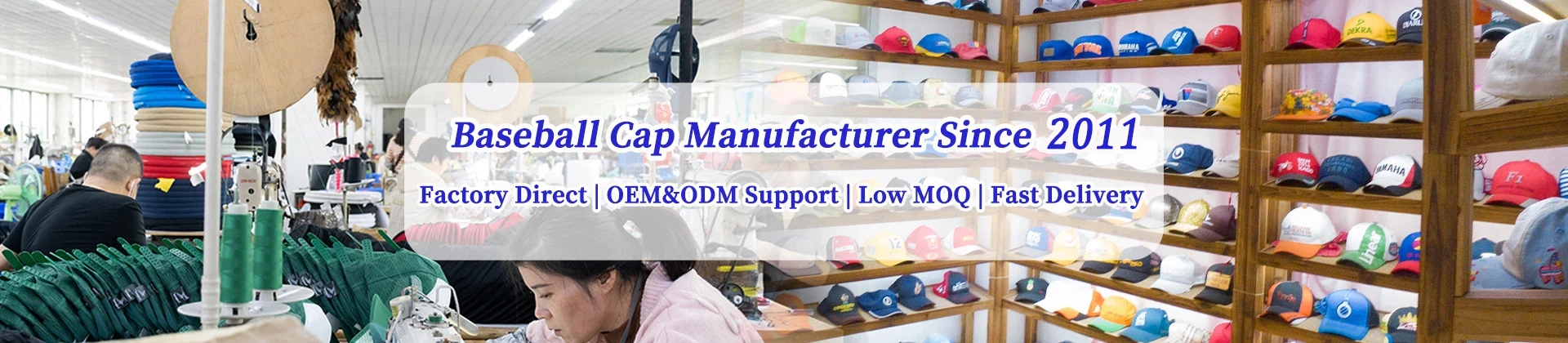
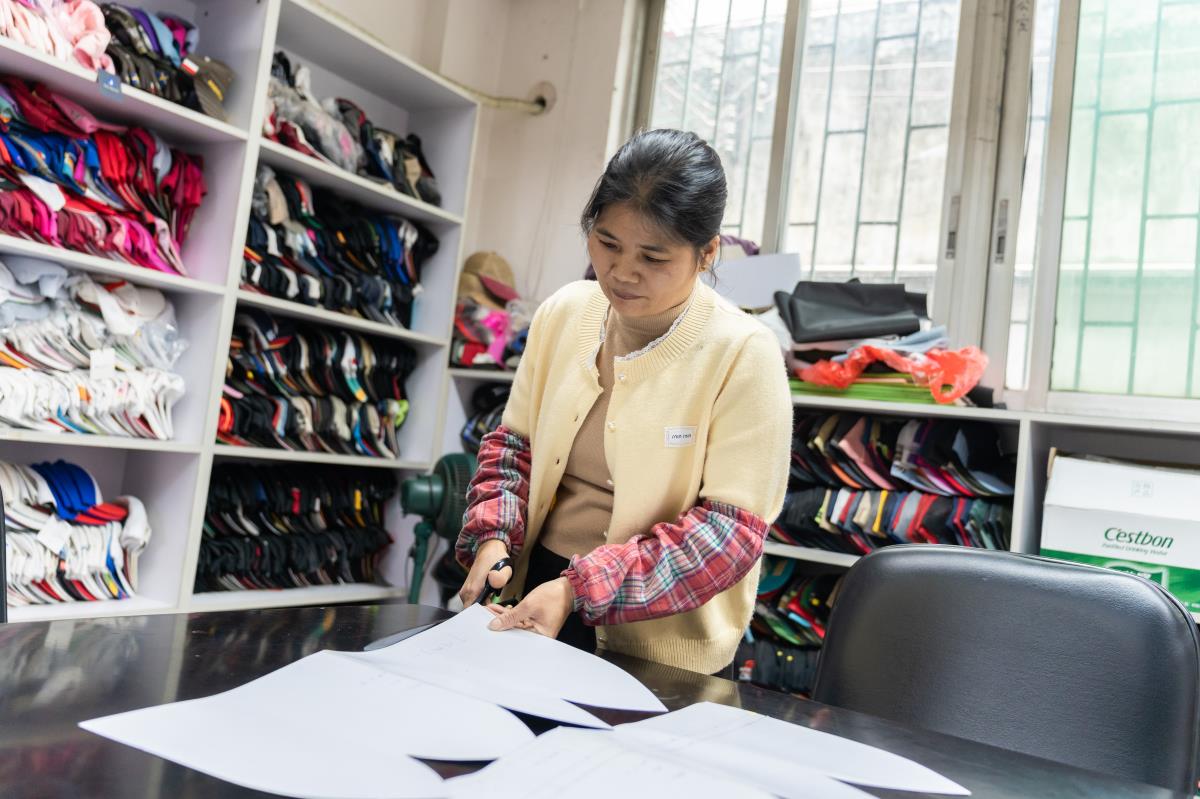
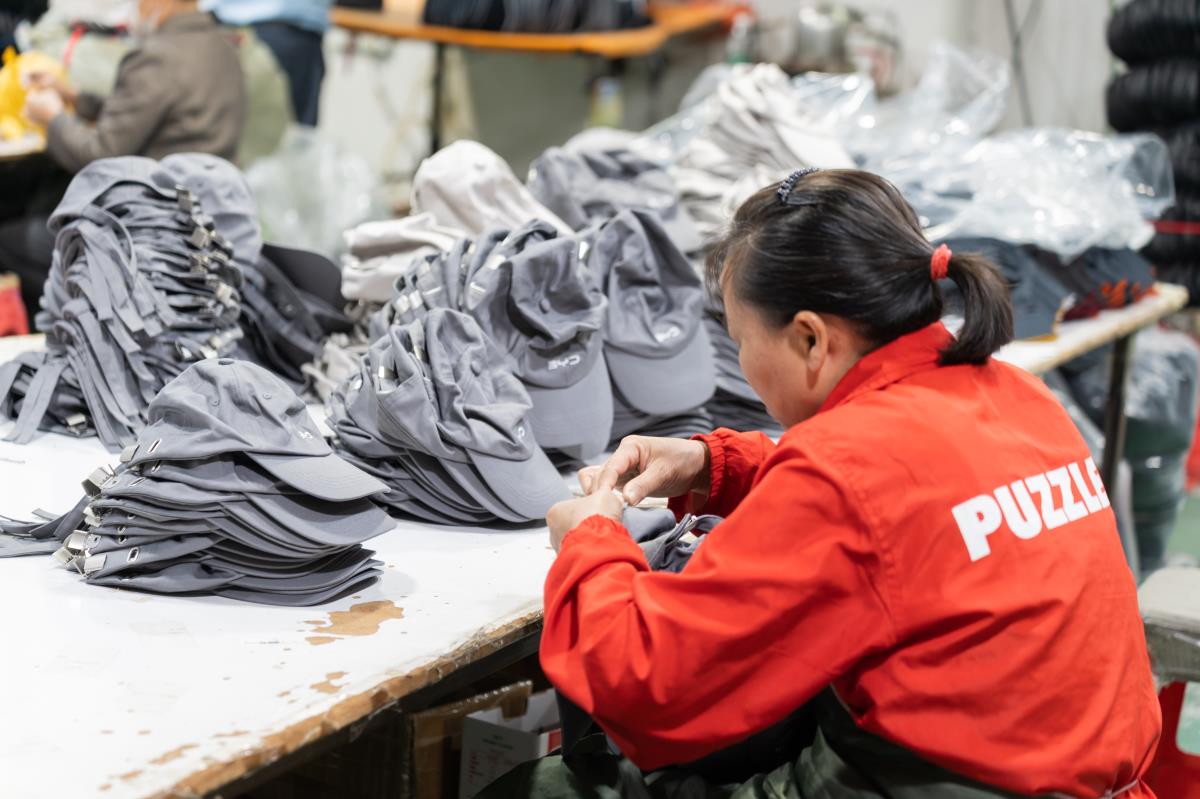
A genuine bucket hat factory has a fixed production workshop, a stable workforce, and specialized hat-making equipment. They can directly show you orders in progress, not just sample photos. By asking a few probing questions about production details, such as daily output, main hat styles, and peak season capacity, you can basically distinguish between a genuine and a fake factory.
Determine if the factory has a long-term production history of bucket hats.
Factories that have consistently produced bucket hats will have a deep understanding of how details like brim width, hat height, and head circumference proportions affect the wearing effect. They will also understand the different preferences for styles in different markets. If a factory only occasionally takes on a few bucket hat orders, it's easy to encounter issues where the sample looks okay, but the overall effect of the bulk order is inconsistent.
Assess a factory's professionalism by examining its fabrics and accessories.
When you inquire about fabrics, a reliable bucket hat factory won't just tell you "we can make them." Instead, they will explain the differences between different fabrics, considering your intended use, target market, and budget. For example, they will explain the breathability of cotton, the stiffness of canvas, the lightweight and waterproof properties of nylon, and the impact of different weights on the finished product.
Similarly, details like the inner lining binding, sweatband material, and stitching density will be considered part of the product quality by a professional factory, not a trivial matter. If a factory cannot clearly explain these aspects, it indicates a lack of familiarity with bucket hats themselves.
Don't just look at whether they can print a logo; look at their true OEM/ODM capabilities.
Many buyers think that as long as they can print a logo, it's customization. However, for those who want to build a brand or sell long-term, what's truly important is whether the hat's structure, fabric combination, and overall style can be adjusted to their needs.
A reliable bucket hat factory can offer multiple options in terms of hat height, brim curvature, color matching, embroidery, or printing techniques. They can also tell you which options are suitable for mass production and which are only suitable for small batches.
Judge a factory's worthiness of continued cooperation based on its sampling process.
During the sampling process, a professional bucket hat factory will proactively confirm details with you and communicate in advance when problems are discovered, rather than passively making changes after you receive the sample. If there are frequent delays, repeated errors, or slow responses to your feedback during the sampling stage, it's difficult to guarantee the stability of subsequent large-scale production, even with a low price.
Delivery time and production capacity determine the sustainability of the cooperation.
A reliable bucket hat factory will honestly disclose its production cycle and peak season conditions, rather than blindly catering to your delivery time requirements. They understand that making blind promises will only cause bigger problems later.
Determining Long-Term Cooperation Through Communication Methods
Factory hat manufacturers with a long-term track record will proactively point out issues you might have overlooked and offer practical suggestions, rather than simply answering "yes" or "no problem." This communication style reduces unnecessary trial-and-error costs before the project even begins and makes the collaboration process smoother.
Conclusion: Choosing a fisherman's hat factory is essentially choosing a long-term partner.
When you stop focusing solely on the price and instead assess the factory's attributes, focus, professional capabilities, and cooperation methods, you significantly reduce the chances of making mistakes. Finding a suitable fisherman's hat factory makes cooperation easier and ensures more stable product production.