

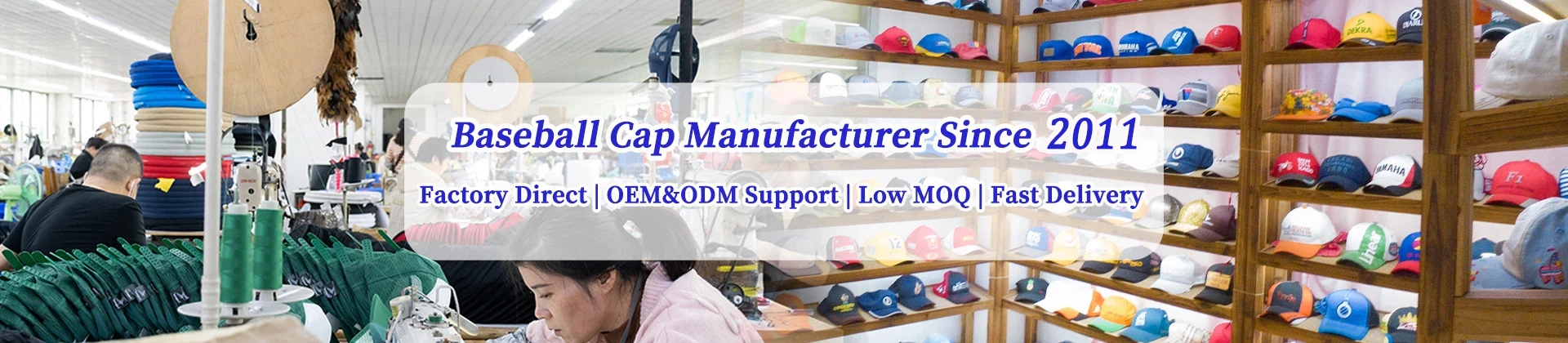

Choosing the right baseball cap manufacturer is one of the most important decisions for brands that want to create custom headwear products. A reliable supplier does more than produce hats. They help transform your ideas into finished products, control quality, solve production challenges, and support your brand growth.
However, finding the right manufacturer can be challenging, especially for companies developing custom baseball caps for the first time. Many buyers focus only on price, but the lowest quotation does not always mean the best value. Issues such as inconsistent quality, delayed production, poor communication, and limited customization options can create bigger costs in the long run.
Whether you are building a fashion brand, launching a streetwear collection, selling online, or sourcing promotional products, understanding how to evaluate a custom baseball cap manufacturer will help you make a better purchasing decision.
This guide explains the key factors you should consider before choosing a reliable cap supplier.
Why Choosing the Right Baseball Cap Manufacturer Matters
A baseball cap may look like a simple product, but producing a high-quality cap requires experience in materials, construction, decoration techniques, and quality control.
A professional manufacturer understands details that directly affect the final product, including:
Fabric selection
Crown structure
Brim shape
Stitching quality
Logo application
Size consistency
Packaging requirements
Working with the wrong supplier can lead to problems such as uneven embroidery, incorrect colors, poor fitting, or products that do not match the approved sample.
For brands, these problems can damage customer trust and increase unnecessary costs.
A reliable OEM hat manufacturer should act as a production partner, not just a factory that receives orders.
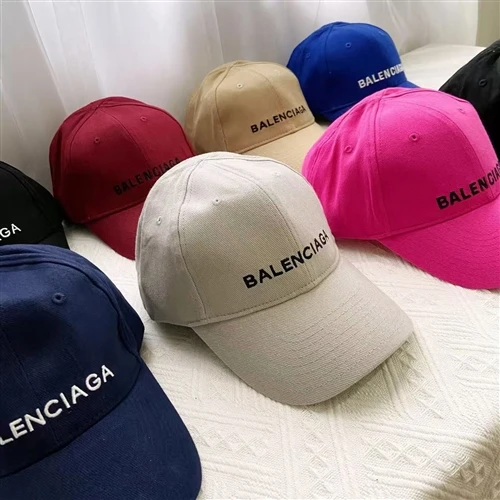
8 Important Factors to Evaluate a Baseball Cap Manufacturer
1. Check Manufacturing Experience and Product Knowledge
The first thing to evaluate is whether the supplier truly understands hat manufacturing.
A professional baseball cap factory should have experience with different styles, including:
Structured baseball caps
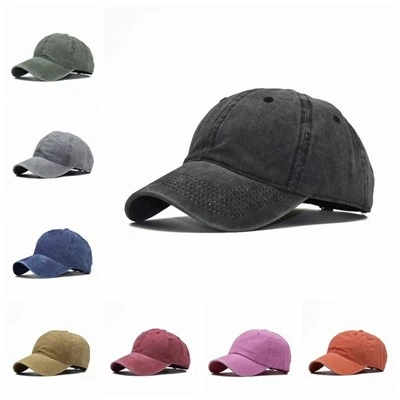
Unstructured dad hats
Snapback caps
Trucker hats
Performance caps
Custom embroidered caps
Experience matters because different hat styles require different construction methods.
For example, a structured cap requires stronger front panels and support materials, while a dad hat needs softer fabric and a relaxed construction.
A manufacturer with strong product knowledge can recommend suitable materials, improve designs, and avoid production problems before they happen.
2. Evaluate Customization Capabilities
For brands, customization is often the most important factor.
A good custom baseball cap manufacturer should offer flexible options to create products that match your brand identity.
Material Options
Different markets require different materials:
Cotton
Popular for casual and lifestyle brands because it is breathable, comfortable, and versatile.
Polyester
Suitable for sports and outdoor products because it is lightweight, durable, and quick-drying.
Nylon
A good choice for performance caps because it offers water resistance and strength.
Canvas and Washed Fabrics
Popular for premium and vintage-style collections.
Logo Decoration Options
A professional supplier should understand that different logos require different techniques.
Common customization methods include:
Flat Embroidery
A classic option for simple logos and brand names.
3D Embroidery
Creates a raised effect and works well for sports and streetwear designs.
Woven Patches
Suitable for detailed artwork and lifestyle brands.
Rubber Patches
Creates a modern outdoor or technical appearance.
Printing
Useful for large graphics or complex patterns.
Choosing the right decoration method can significantly improve the appearance and perceived value of the final product.
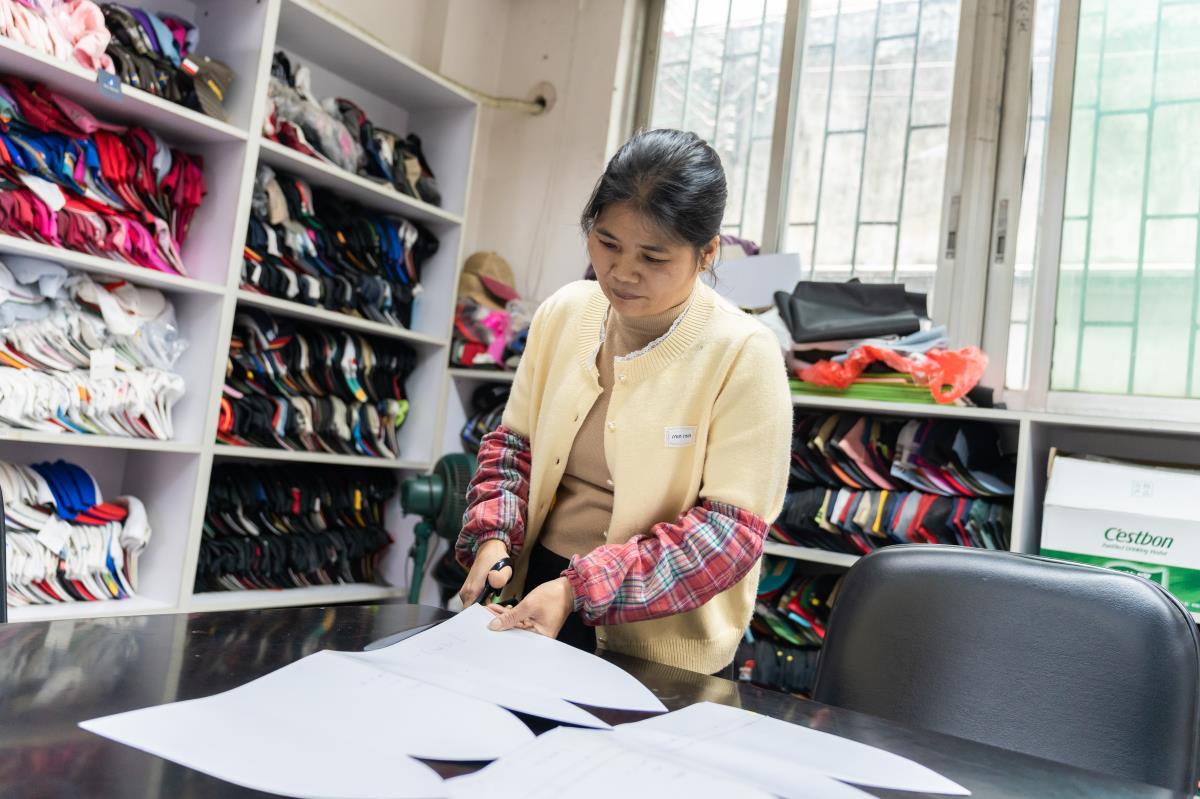
3. Understand the Sample Development Process
Before placing a bulk order, professional buyers usually request samples.
A reliable supplier should have a clear sample development process.
A typical process includes:
Step 1: Design Confirmation
The manufacturer reviews artwork, measurements, materials, and production requirements.
Step 2: Material Selection
The factory confirms suitable fabrics, colors, closures, and accessories.
Step 3: Sample Production
A physical sample is created based on the approved specifications.
Step 4: Feedback and Adjustment
The brand reviews the sample and requests improvements if needed.
Step 5: Bulk Production
Mass production begins after final approval.
A good sample process reduces mistakes and ensures the final products match your expectations.
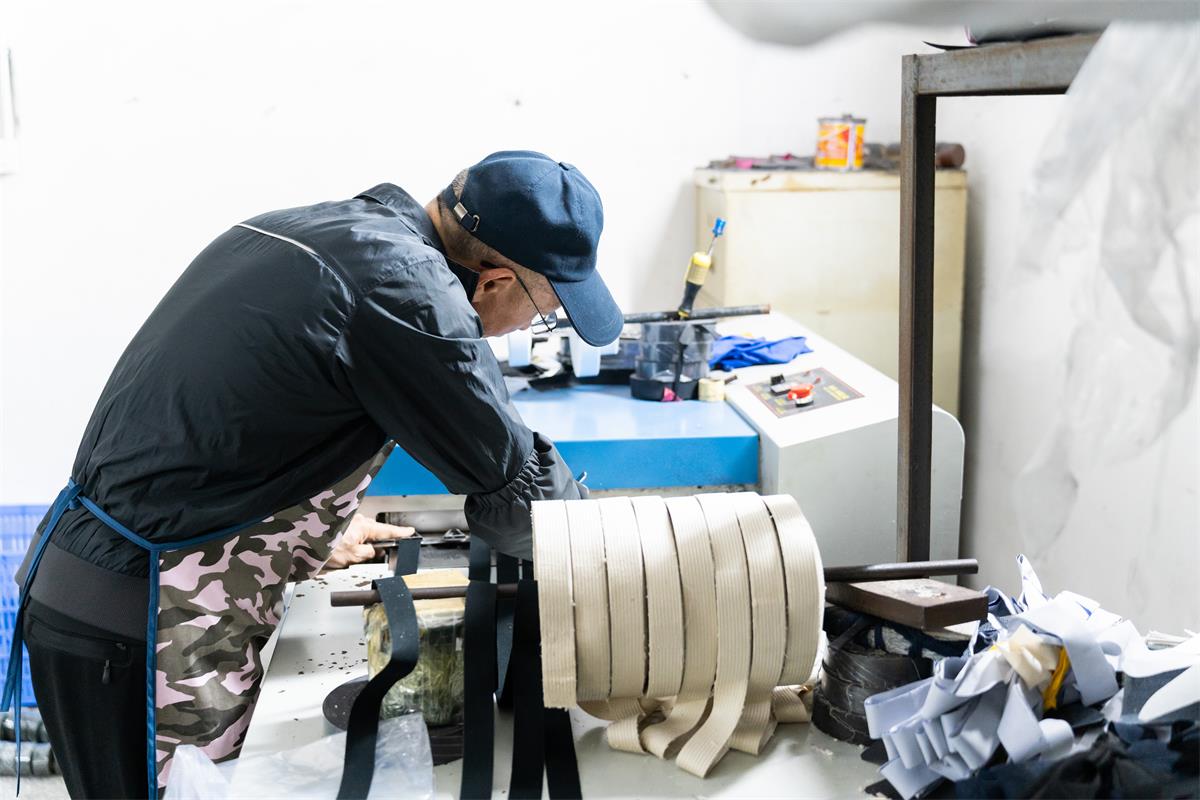
4. Check Quality Control Standards
Quality consistency is one of the biggest concerns when sourcing custom hats.
A professional manufacturer should have quality inspections throughout production.
Important inspection points include:
Material Inspection
Checking fabric quality, color accuracy, and durability.
Sewing Inspection
Ensuring:
Even stitching
Strong seams
Proper construction
Logo Inspection
Checking:
Embroidery position
Thread quality
Logo accuracy
Final Product Inspection
Before shipment, finished hats should be checked for:
Shape
Size
Appearance
Packaging condition
Strong quality control helps brands maintain customer satisfaction and reduce returns.
5. Understand MOQ Requirements
MOQ (Minimum Order Quantity) is an important consideration for many buyers.
Different manufacturers have different MOQ requirements depending on:
Materials
Colors
Customization methods
Production process
For example, custom fabric colors may require higher quantities, while standard fabrics may allow more flexible orders.
When choosing a supplier, brands should not only ask:
"How low is your MOQ?"
They should also consider:
"Can this supplier support my growth?"
A flexible manufacturer can be valuable for both new brands and established companies.
6. Evaluate Production Capacity and Lead Time
Reliable delivery is essential for businesses.
Before working with a supplier, ask about:
Sample production time
Bulk production timeline
Monthly production capacity
Peak season planning
A manufacturer with good production management can help prevent delays during busy seasons.
This is especially important for:
Fashion launches
Seasonal collections
Promotional campaigns
7. Communication and Customer Support
Many international sourcing problems are caused by poor communication.
A professional supplier should be able to:
Understand product requirements clearly
Provide production updates
Answer technical questions
Suggest solutions when problems occur
For overseas buyers, good communication is just as important as manufacturing ability.
A supplier who responds quickly and professionally can make the entire sourcing process much easier.
8. Consider Export Experience
If you are purchasing internationally, export experience matters.
A reliable supplier should understand:
International packaging requirements
Shipping procedures
Documentation
Customer expectations in different markets
Factories experienced in global markets are usually more familiar with quality standards and communication styles from different regions.
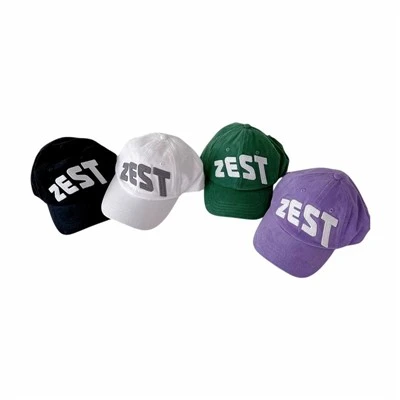
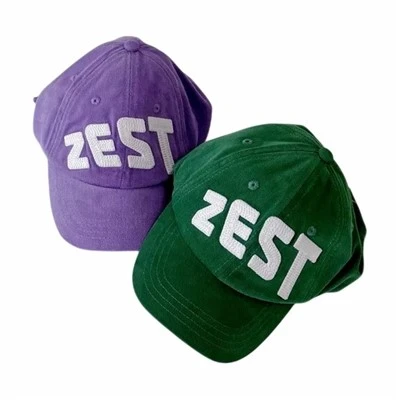
Common Mistakes When Choosing a Baseball Cap Supplier
Choosing Only Based on Price
The cheapest supplier may save money initially but create problems later.
Low prices can sometimes mean:
Lower-quality materials
Weak construction
Limited support
A better approach is comparing overall value.
Ignoring Sample Quality
Never judge a manufacturer only by photos.
A physical sample allows you to check:
Fabric feel
Fit
Stitching
Logo quality
Not Confirming Production Details
Before production, confirm:
Material specifications
Color references
Logo placement
Packaging requirements
Size measurements
Clear communication prevents misunderstandings.
OEM vs Wholesale Baseball Caps: Which Option Is Better?
The right choice depends on your business goals.
Wholesale Baseball Caps
Suitable for:
Promotional products
Short-term campaigns
Businesses needing ready-made products
Advantages:
Faster purchasing process
Lower development requirements
OEM Baseball Caps
Suitable for:
Fashion brands
Streetwear companies
Private label businesses
Advantages:
Full customization
Unique product designs
Stronger brand identity
For companies building a long-term product line, OEM manufacturing usually provides more opportunities.
Why Brands Choose Factory-Direct Baseball Cap Manufacturing
Working directly with a manufacturer provides several advantages:
Better Product Control
Brands can communicate directly about materials, designs, and production details.
More Customization Freedom
Factories can support:
Custom fabrics
Unique colors
Special labels
Packaging solutions
Better Cost Management
Factory-direct sourcing helps reduce unnecessary middle costs.
Long-Term Partnership
A reliable supplier can support future collections and product expansion.
Final Checklist Before Choosing Your Baseball Cap Manufacturer
Before placing an order, consider these questions:
✔ Does the manufacturer have real production experience?
✔ Can they provide the customization options you need?
✔ Do they have a clear sample process?
✔ How do they control quality?
✔ Can they meet your delivery requirements?
✔ Do they understand international business?
✔ Can they support your future growth?
Choosing a baseball cap manufacturer is not only about finding someone who can make hats. It is about finding a partner who understands your product vision and can help your brand succeed.
A reliable custom baseball cap supplier provides more than production capacity-they provide experience, quality control, and professional support that turn your ideas into market-ready products.