

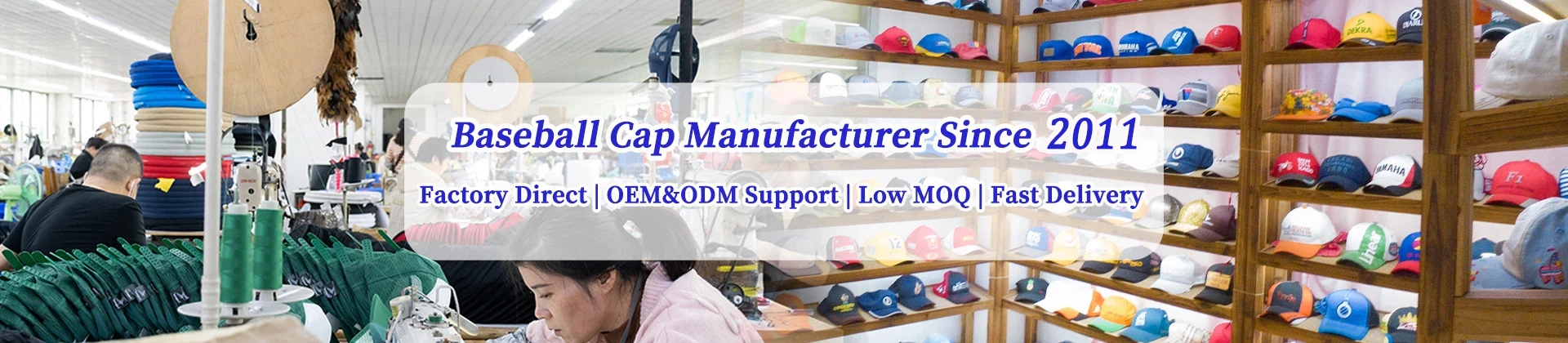
For brand owners, corporate gift buyers, and wholesalers, choosing the right factory affects far more than just product quality and customization-it directly impacts delivery efficiency and brand reputation. A high-quality visor hat not only improves the end-user experience but also strengthens customer trust in your brand.
This article explains how to select the right visor hat factory by examining key factors such as factory importance, production experience, equipment, materials, customization capabilities, quality control, customer reputation, delivery performance, and pricing.

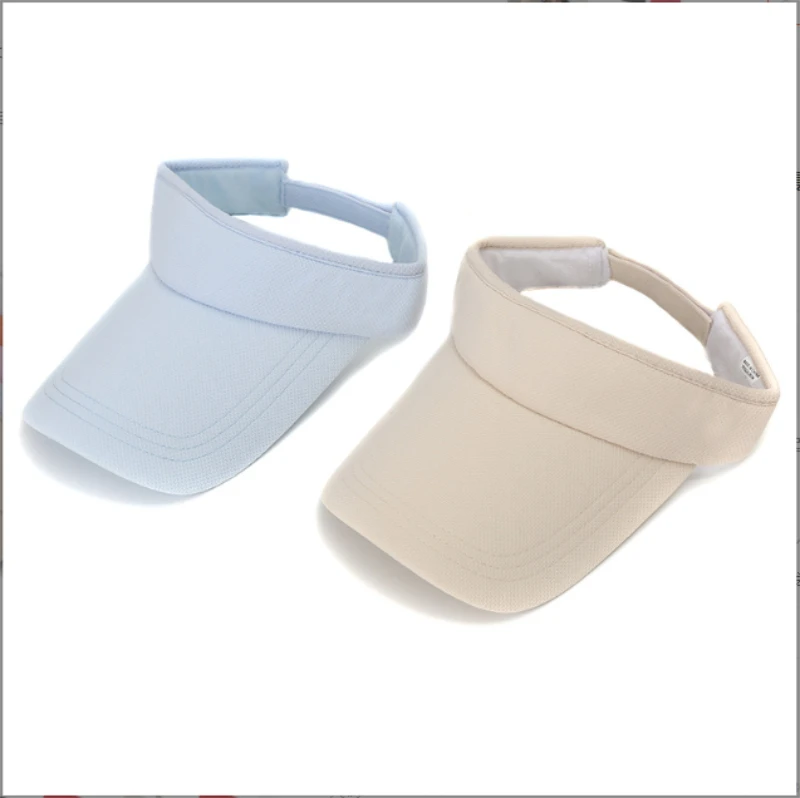
The Importance of Choosing the Right Visor Hat Factory
A reliable factory ensures consistent product quality. Each production batch should maintain uniformity in materials, craftsmanship, sizing, and appearance-such as brim curvature, stitching density, crown height, and logo placement. An unstable factory may cause batch inconsistencies or defects, which can damage brand image.
Professional factories also provide OEM/ODM services, including hat design, fabric selection, logo application, and packaging customization. For example, you may request specific brim lengths, curvature, or sweatband materials to suit different seasons or target markets.
Delivery efficiency is equally critical. Experienced factories operate with mature production schedules and logistics systems, allowing them to complete samples, trial runs, and mass production on time-minimizing delivery delays. Buyers should evaluate whether a factory specializes in hat manufacturing and whether it has stable export clients and long-term cooperation experience.
Production Experience and Industry Background
Factory experience directly determines product maturity and stability. Long-established factories typically have well-developed workflows and skilled workers, ensuring consistent quality across every batch.
Manufacturers specializing in golf hats, sports caps, or visor hats understand key details such as brim design, ventilation, sun protection, and sweatband absorption. Export experience, cooperation with well-known brands, or participation in major sports events further validates a factory's professionalism and reliability.

Production Capacity and Equipment
Factories with multiple production lines can handle samples, small-batch trial orders, and large-scale production simultaneously, ensuring stable capacity. Modern equipment improves manufacturing precision-for example:
Advanced embroidery machines for 3D embroidery
Screen printing machines for large-area graphics
Heat transfer equipment to ensure durable, colorfast designs
A strong factory can quickly adjust production schedules to support smooth transitions from sampling to mass production. Quality inspection processes are also essential, including stitching density checks, brim curvature measurements, sweatband absorption tests, and hat shape stability inspections.
Materials and Craftsmanship Advantages
Fabric and workmanship directly affect comfort, functionality, and brand perception. Common materials include:
Cotton: Soft and breathable, ideal for everyday outdoor use
Polyester: Durable and quick-drying, suitable for sports and frequent use
Quick-dry fabrics: Ideal for summer and athletic activities, with rapid moisture evaporation
Mesh fabrics: Enhance airflow and reduce heat buildup
Functional fabrics such as UV protection (UPF 30+), wrinkle resistance, lightweight construction, and water resistance meet diverse market demands.
Logo techniques also matter:
Embroidery for dimensional logos
Screen printing for large graphics
Heat transfer for multi-color designs
PVC patches for raised, structured effects
Even details like uniform brim curvature, proper stitching density, and sweat-absorbing, anti-slip inner bands significantly impact product quality and wearing comfort.
Customization Capabilities (OEM / ODM)
A qualified factory should offer comprehensive customization options, including:
Hat styles: Visor hats, baseball caps, sun hats; adjustable brim length and curvature
Color customization: Pantone matching, solid colors, two-tone, and multi-color designs
Fabric options: Cotton, polyester, mesh, quick-dry fabrics
Logo application: Embroidery, screen printing, heat transfer, PVC patches; front, side, or back placement
Packaging: OPP bags, color boxes, gift boxes, hangtags, and barcodes
Comprehensive customization supports diverse market needs while strengthening brand identity and product differentiation.
Quality Control System
Quality consistency is the most critical factor in visor hat sourcing. Reliable factories implement full-process quality control systems to ensure every hat meets design and performance standards.
Raw material inspection: Fabrics, threads, and logo materials are tested for thickness, breathability, tensile strength, and UV protection.
In-process quality control: Key stages-stitching, brim shaping, sweatband installation, and logo application-are monitored by professional QC staff. Stitch density, brim curvature, sweatband fit, and logo alignment are strictly checked.
Finished product inspection: Each batch undergoes random sampling inspections for size, color, stitching, brim shape, sweatband performance, and logo quality.
Sample approval and mass production control: Customers typically approve samples and sign a QC report before mass production begins. During production, continuous monitoring ensures consistent quality throughout the order.
Proven Track Record and Customer Reputation
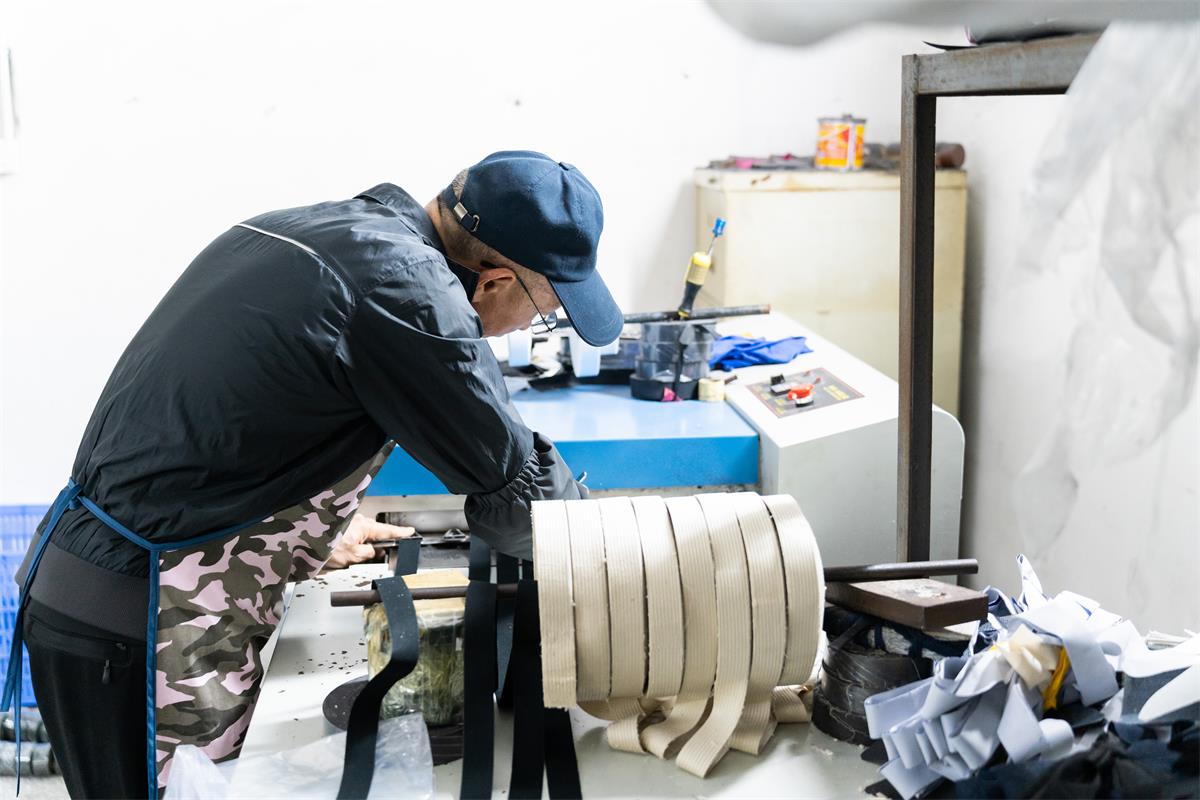
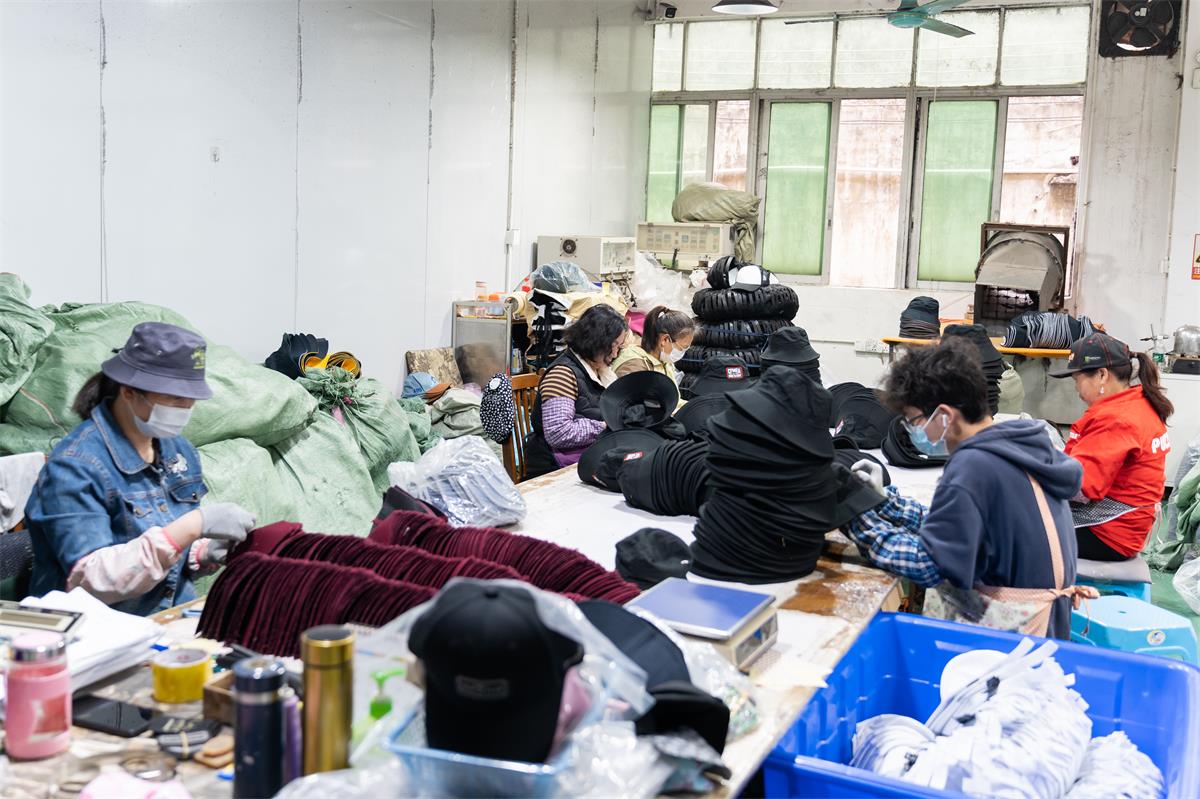
A factory's client history and case studies provide direct insight into reliability. Long-term clients indicate stable delivery and service quality. Export experience shows familiarity with international standards and regulations. Product case studies allow buyers to evaluate actual hat styles, logo execution, and packaging quality-confirming the factory's capability for large-scale customization and premium production.
Delivery Capability and After-Sales Support
Reliable factories ensure smooth production and on-time delivery through structured production planning. After-sales service includes handling quality issues, replacement shipments, or improvement solutions. Strong factories can also respond flexibly to order changes, urgent replenishment requests, or logistics adjustments-meeting varied customer needs.
Pricing and Overall Value
Transparent and reasonable pricing is essential. Low prices do not equal high value-true cost-effectiveness must consider quality, customization capability, production capacity, and after-sales support. Quotes should align with target market positioning. Comparing pricing and services across multiple factories helps buyers select the most suitable partner. Detailed quotations typically include fabric, workmanship, packaging, and shipping costs for accurate evaluation.
How to Choose the Most Suitable Hat Factory
After evaluating production experience, capacity, materials, customization options, quality control, client references, delivery capability, and pricing, buyers should request samples or conduct on-site inspections to confirm hat shape, logo quality, and packaging standards. The ideal partner offers long-term stability, strong customization support, and consistent quality-ensuring a reliable supply chain and sustained market competitiveness.
Conclusion
Choosing a reliable visor hat factory is not just about securing high-quality products-it is about protecting brand image and strengthening market competitiveness. By thoroughly assessing experience, capacity, materials, customization, quality control, customer reputation, delivery performance, and pricing, buyers can accurately determine factory reliability and select the right partner.
Reliable factories typically provide OEM/ODM one-stop solutions covering hat design, color, fabric, logo application, and packaging-ensuring consistent appearance, sizing, functionality, and branding across every batch. This makes them the best choice for long-term cooperation and global market expansion.