

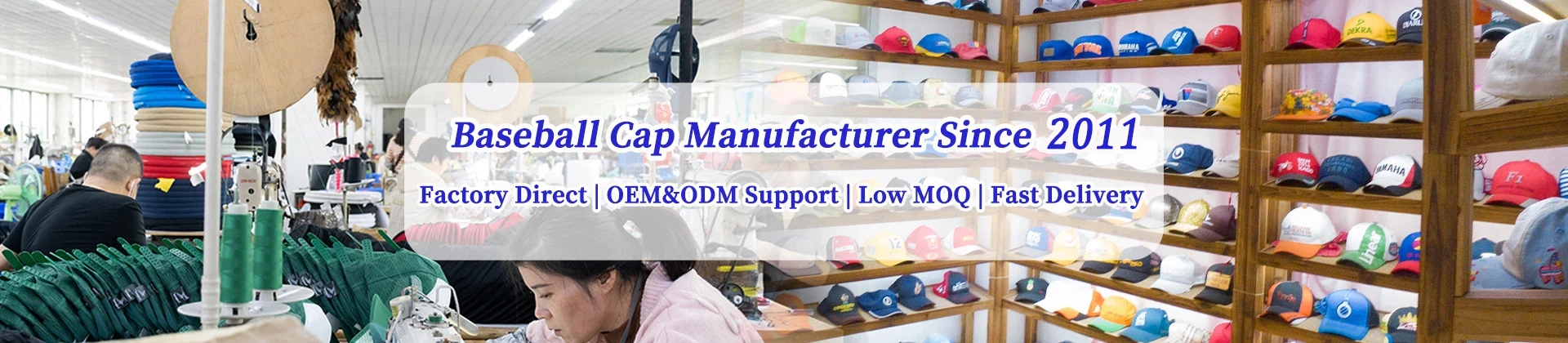


Custom baseball caps are one of the most effective and long-lasting branding tools for companies, sports teams, fashion labels, and promotional campaigns. A well-designed cap not only increases brand visibility but also reflects your company's quality and professionalism.
As a professional OEM hat manufacturer like Wanjia Cap Factory, we help global B2B clients turn ideas into high-quality customized headwear. In this guide, we'll walk you through the complete process of customizing baseball caps with your logo-from concept to production.
Why Custom Baseball Caps Matter for Branding
Baseball caps are more than just accessories-they are mobile billboards for your brand.
Key benefits:
- Strong brand visibility in everyday use
- Long product lifespan compared to paper or digital ads
- Suitable for retail, promotions, uniforms, and giveaways
- High perceived value when professionally manufactured
When designed properly, a custom cap becomes a powerful extension of your brand identity.
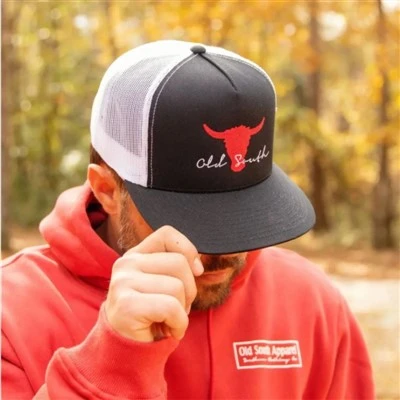

Step 1: Define Your Cap Style and Purpose
Before starting production, you must clearly define the product purpose.
Common cap styles include:
- Structured baseball caps
- Unstructured "dad hats"
- Snapback caps
- Trucker caps
- Low-profile caps
Questions to consider:
- Is this for retail, promotion, or uniforms?
- Who is your target audience (sports, streetwear, corporate)?
- What season or climate is it for?
A clear direction ensures better design decisions later in the process.
Step 2: Choose Materials and Fabric
Material selection affects comfort, durability, and branding impact.
Popular fabric options:
- Cotton twill (soft and breathable)
- Washed cotton (vintage look)
- Polyester (durable and moisture-wicking)
- Nylon (lightweight and sporty)
- Mesh (for trucker caps)
For premium brands, cotton twill and washed cotton are the most commonly requested.
Step 3: Select Cap Structure and Fit
The structure determines how the cap holds its shape.
Key elements:
- Crown height (high, mid, low profile)
- Structured vs unstructured panels
- Closure type:
- Snapback
- Velcro
- Metal buckle
- Fitted sizes
For example, low-profile caps offer a relaxed, modern fit popular in lifestyle branding.
Step 4: Choose Logo Customization Method
This is the most important step in branding your cap.
Common logo techniques:
1. Embroidery (Most Popular)
- High durability
- Premium texture
- Best for logos with clean shapes
2. 3D Puff Embroidery
- Raised, bold look
- Ideal for streetwear brands
3. Screen Printing
- Best for large or colorful designs
- Cost-effective for bulk orders
4. Heat Transfer / Vinyl Printing
- Suitable for complex or gradient logos
- Good for small batches
At Wanjia Cap Factory, embroidery remains the top choice for B2B clients due to its long-lasting quality.
Step 5: Prepare Your Logo File
To ensure production accuracy, you should provide:
- AI / EPS / PDF vector files (preferred)
- High-resolution PNG if vector is not available
- Pantone color codes (if color matching is required)
A clean logo file helps avoid delays and reduces sampling errors.
Step 6: Create a Sample (Pre-Production Stage)
Sampling is a critical step in OEM production.
What happens during sampling:
Logo is digitized into embroidery files
- First prototype is produced
- Cap structure and materials are tested
- Client reviews and requests adjustments
Most professional buyers always approve a sample before mass production.
Step 7: Mass Production and Quality Control
Once the sample is approved, bulk production begins.
Typical manufacturing process:
- Fabric cutting
- Panel stitching
- Logo application (embroidery/printing)
- Assembly of visor and closure
- Final shaping and ironing
Quality control checks include:
- Stitch consistency
- Logo alignment
- Color matching
- Cap shape integrity
Reliable OEM factories implement multi-stage inspection to ensure consistency.
Step 8: Packaging and Global Shipping
Custom caps are usually packed based on buyer requirements:
- Individual poly bags
- Custom branded packaging
- Bulk cartons for wholesale distribution
- International shipping options include:
- Air freight (fast delivery)
- Sea freight (cost-effective for large orders)
- Express courier (sample shipments)
Common Mistakes to Avoid
Using low-resolution logo files
Choosing overly complex embroidery designs
Ignoring target market preferences
Skipping sample approval
Not confirming fabric shrinkage or color tolerance
Avoiding these issues saves both time and production cost.
Why Choose Wanjia

A professional manufacturer provides:
- Stable quality control system
- Large-scale production capacity
- Custom design support
- Competitive wholesale pricing
- Experience with global brands and distributors
For B2B buyers, this ensures consistency and scalability.
FAQ
Q: 1. What Is The Minimum Order Quantity (MOQ) For Custom Caps?
A: Most OEM factories require 100–300 pieces per design, depending on customization level.
Q: 2. How Long Does Production Take?
A: Sampling takes about 5–10 days, and bulk production usually takes 2–4 weeks.
Q: 3. Can I Mix Different Colors In One Order?
A: Yes, most manufacturers allow multiple color variations within the same style.
Q: 4. Which Logo Method Is The Most Durable?
A: Embroidery is the most durable and widely used method for long-term branding.
Q: 5. Can I Request A Custom Design From Scratch?
A: Yes, OEM factories like Wanjia can help develop designs based on your concept or sketch.
References
https://www.apparelsearch.com/baseball_cap.html
https://www.printful.com/blog/custom-hats-guide
https://www.customink.com/help_center/hats
https://www.thesprucecrafts.com/types-of-embroidery-1177476
https://en.wikipedia.org/wiki/Baseball_cap