

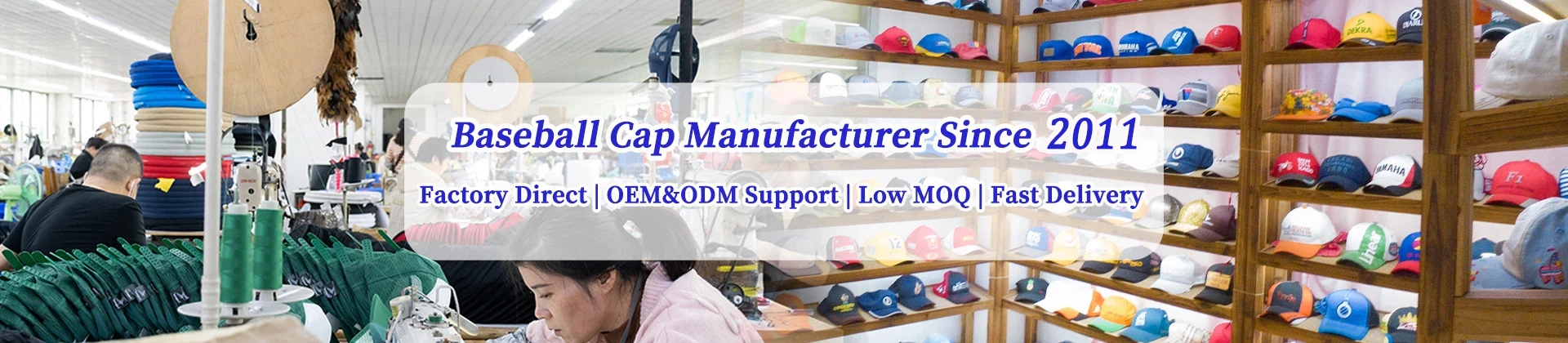


Introduction: Build Your Brand with Private Label Baseball Caps
For fashion brands, sports companies, retailers, and wholesalers, private label baseball caps have become one of the most effective products for building brand identity and increasing customer loyalty.
Unlike ready-made caps with generic designs, private label baseball caps allow businesses to create unique products with their own logo, materials, colors, labels, packaging, and design details.
As an experienced private label baseball cap manufacturer and OEM hat supplier in China, Wanjia Hat Factory helps global brands develop custom baseball caps that match their market positioning, quality expectations, and production requirements.
Whether you are launching a new streetwear brand, expanding an existing clothing line, or sourcing wholesale caps for retail distribution, choosing the right manufacturing partner is one of the most important decisions.
This guide explains everything buyers need to know about private label baseball caps, including design options, manufacturing processes, costs, MOQ requirements, quality control, and how to select a reliable supplier
What Are Private Label Baseball Caps?
A private label baseball cap is a custom-made cap produced by a manufacturer and sold under a buyer's own brand name.
The manufacturer handles production, while the brand owner controls the product identity.
Compared with standard wholesale caps, private label caps provide more opportunities for customization.
Typical customization options include:
| Custom Area | Available Options |
| Logo | Embroidery, printing, woven label, rubber patch |
| Fabric | Cotton, polyester, nylon, canvas, recycled materials |
| Cap Structure | Structured, unstructured, low profile, high crown |
| Closure | Snapback, buckle strap, Velcro, fitted |
| Color | Custom Pantone colors |
| Labels | Brand labels, size labels, care labels |
| Packaging | Custom bags, boxes, hang tags |
For brands that want long-term differentiation, private label manufacturing offers much more value than purchasing ordinary blank caps.
Why Are Private Label Baseball Caps Popular Among Brands?
The global headwear market continues to grow as consumers increasingly view caps as both functional accessories and fashion products.
According to market research reports, the worldwide headwear industry is expected to maintain steady growth driven by:
Increasing demand for personalized fashion products
Growth of streetwear culture
Expansion of online brands and DTC businesses
Rising interest in sustainable materials
For new and established brands, baseball caps are attractive because they are:
1. Easy to Brand
A baseball cap provides multiple areas for brand expression.
The front panel is ideal for:
Embroidered logos
Brand initials
Icon graphics
Other areas can include:
Side embroidery
Back labels
Custom inside tapes
A simple cap can become a recognizable brand symbol.
2. Lower Development Risk Compared With Apparel
Compared with jackets, shirts, or footwear, caps require:
Less fabric consumption
Lower development costs
Easier inventory management
This makes private label baseball caps suitable for:
Startup brands
Small fashion companies
Limited edition collections
3. Strong Repeat Purchase Potential
Caps are not only seasonal products.
Customers often purchase multiple styles based on:
Color preference
Outfit matching
Different collections
This creates opportunities for brands to build seasonal product lines.
Private Label Baseball Caps vs Blank Wholesale Caps
Many buyers ask:
Should I purchase blank caps or develop private label baseball caps?
The answer depends on your business goals.
| Comparison | Blank Caps | Private Label Baseball Caps |
| Brand Identity | Limited | Fully customized |
| Logo Options | Basic decoration | Full design control |
| Materials | Fixed options | Custom fabrics available |
| Packaging | Standard | Brand packaging |
| Market Difference | Low | High |
| Long-term Value | Limited | Strong |
For businesses focused on building a recognizable brand, private label production usually creates stronger market advantages.
Key Design Elements of Private Label Baseball Caps
Creating a successful custom cap requires more than adding a logo.
Professional buyers should consider the complete product construction.
1. Cap Shape and Structure
The cap silhouette determines the overall customer experience.
Popular baseball cap styles include:
Structured Baseball Caps
Structured caps use reinforced front panels to maintain a firm shape.
Advantages:
Professional appearance
Better logo visibility
Suitable for sports brands and corporate styles
Common applications:
Golf brands
Outdoor brands
Team merchandise
Unstructured Baseball Caps
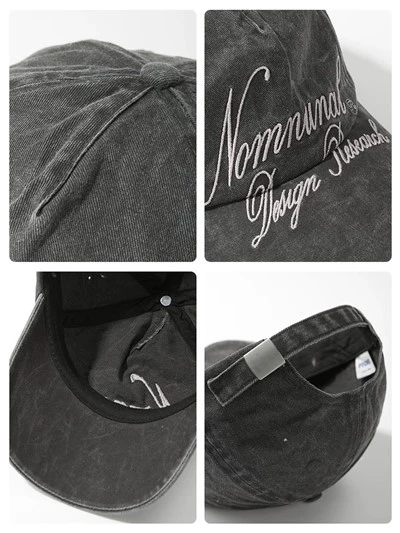
Also known as dad hats, these caps have a softer crown.
Advantages:
- Comfortable fit
- Casual lifestyle appearance
- Vintage fashion feeling
Popular among:
- Streetwear brands
- Lifestyle brands
- Fashion labels
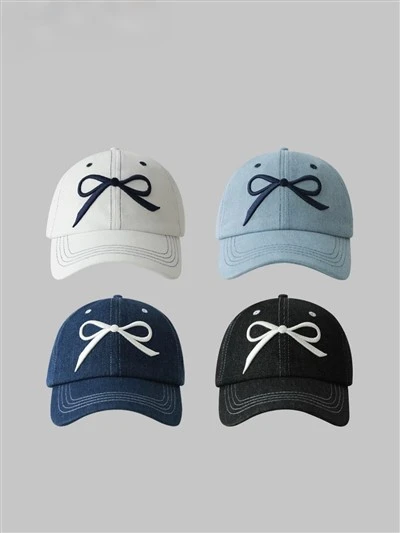
Low Profile Baseball Caps
Low crown designs create a closer fit around the head.
They are popular for:
- Minimalist fashion brands
- Premium casual collections
- Everyday wear
2. Fabric Selection
Fabric choice directly affects:
Comfort
Durability
Price
Brand positioning
Common private label baseball cap materials include:
Cotton Twill
Cotton twill is one of the most popular choices.
Benefits:
Soft hand feel
Breathable
Comfortable for daily wear
Easy embroidery application
Suitable for:
Dad hats
Lifestyle caps
Casual collections
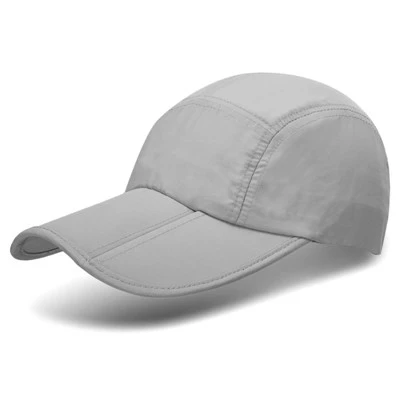
Polyester
Polyester is commonly used for sports and outdoor caps.
Benefits:
Lightweight
Quick drying
Color stability
Better moisture resistance
Suitable for:
Running caps
Performance caps
Athletic brands
Nylon
Nylon fabrics provide:
Water resistance
Wind protection
Lightweight performance
Common applications:
Outdoor brands
Hiking collections
Technical apparel
Sustainable Materials
More brands are choosing environmentally friendly options such as:
Organic cotton
Recycled polyester
Recycled nylon
Sustainable private label baseball caps help brands meet growing consumer demand for responsible products.
3. Logo Customization Methods
Logo presentation is one of the most important factors in private label cap production.
Embroidery
Embroidery remains the most popular decoration method.
Advantages:
Premium appearance
Long-lasting
Suitable for luxury brands
Common options:
Flat embroidery
3D puff embroidery
Combination embroidery
Screen Printing
Printing works well for:
Large graphics
Detailed artwork
Lightweight designs
Woven Labels
Small woven labels create a minimalist premium look.
They are often used by:
Streetwear brands
Designer brands
Rubber or Silicone Patches
These provide a modern appearance and are popular for:
Outdoor brands
Tactical styles
Urban fashion
How to Start a Private Label Baseball Cap Project: A Step-by-Step Guide
Developing private label baseball caps may seem simple, but professional buyers know that successful products require careful planning from design to production.
Below is a practical process that brands can follow when working with an OEM cap manufacturer.
Step 1: Define Your Brand Position and Target Market
Before contacting a supplier, buyers should clearly define:
Who will purchase the caps?
What price level do you want to achieve?
What brand image should the cap represent?
For example:
| Brand Position | Recommended Cap Direction |
|---|---|
| Premium lifestyle brand | Organic cotton, detailed embroidery, custom labels |
| Streetwear brand | Washed cotton, oversized fit, patches |
| Sports brand | Performance polyester, moisture-wicking fabric |
| Outdoor brand | Nylon, water-resistant materials |
| Corporate promotion | Cost-effective materials and simple branding |
A clear product direction helps manufacturers recommend suitable materials and construction methods.
Step 2: Prepare Your Design Requirements
A professional private label baseball cap manufacturer normally needs the following information:
Basic Product Details
Cap style
Quantity requirement
Target market
Preferred materials
Color options
Branding Details
Logo artwork
Embroidery requirements
Label design
Packaging requirements
Technical Details
Crown height
Brim shape
Closure type
Stitching requirements
Special functions
If you only have an idea or reference image, an experienced OEM supplier can also help develop the first prototype.
Step 3: Sample Development
Sampling is one of the most important stages before bulk production.
A professional manufacturer will evaluate:
Fabric quality
Logo placement
Sewing construction
Shape and fitting
Finishing details
A typical sample development process includes:
Confirm design details
Select materials
Create first prototype
Review and adjust
Approve final sample
Usually, custom baseball cap samples take around 7–15 working days, depending on complexity.
Step 4: Bulk Production and Quality Inspection
After sample approval, production begins.
A reliable private label cap supplier should control every production stage:
Material Inspection
Check:
Fabric color consistency
Fabric weight
Strength and durability
Cutting Process
Ensure:
Accurate panel size
Consistent shape
Proper fabric direction
Sewing Process
Inspect:
Stitch density
Panel alignment
Seam strength
Decoration Inspection
Check:
Embroidery quality
Logo position
Color accuracy
Final Inspection
Before shipment, manufacturers should verify:
Size measurements
Appearance
Packaging
Quantity
Private Label Baseball Caps: MOQ and Cost Factors
One of the most common questions from buyers is:
"How much do private label baseball caps cost?"
The answer depends on multiple factors.
Main Factors Affecting Cap Pricing
product comparison bg model
Lorem ipsum dolor sit, amet consectetur adipisicing elit.
| Factory | Impact on Cost |
| Order quantity | Larger quantities reduce unit cost |
| Fabric choice | Premium fabrics increase cost |
| Logo method | Embroidery costs more than simple printing |
| Cap construction | More complex structures require more labor |
| Packaging | Custom packaging increases cost |
| Special finishing | Washing, coating, or special treatments affect price |
Typical MOQ Requirements
Most custom baseball cap manufacturers offer:
Small development orders: 100–300 pcs
Standard production MOQ: 500 pcs/style/color
Large production orders: 1,000–10,000+ pcs
For startup brands, flexible MOQ options can reduce inventory risk.
However, larger quantities usually provide better pricing because:
Material purchasing becomes more efficient
Production setup costs are distributed
Labor efficiency improves
How to Choose a Reliable Private Label Baseball Cap Manufacturer
Choosing the right supplier is one of the most important decisions for any brand.
A good manufacturer should provide more than a low price.
Look for the following qualities:
1. Strong Custom Development Ability
A professional OEM supplier should be able to handle:
Custom patterns
New structures
Special fabrics
Unique finishing techniques
A factory that only produces standard caps may struggle with complex private label projects.
2. Clear Communication
Successful product development requires accurate communication.
A reliable supplier should:
Understand your design goals
Explain production limitations
Provide realistic timelines
Suggest better solutions
3. Consistent Quality Control
Quality problems can damage a brand reputation.
Before cooperation, buyers should ask:
How do you inspect products?
Can you provide samples?
Do you have experience with similar projects?
4. Export Experience
A factory experienced in international business usually understands:
Global quality expectations
Packaging standards
Shipping requirements
Documentation processes
This helps avoid problems during production and delivery.
Industry Case Study: Building a Premium Lifestyle Cap Collection
A common example in the private label market is a lifestyle brand developing a premium everyday baseball cap collection.
The brand goal:
Create a simple but recognizable cap with a luxury casual feeling.
The manufacturer solution:
Product Development
6-panel unstructured construction
Washed cotton twill fabric
Soft finishing treatment
Custom embroidered logo
Branded inside label
Additional Branding
Custom hang tag
Individual packaging bags
Multiple seasonal colors
Result
The brand was able to create a recognizable signature product without investing in complex apparel production.
This approach is increasingly popular among online brands because accessories can become strong entry products for customer acquisition.
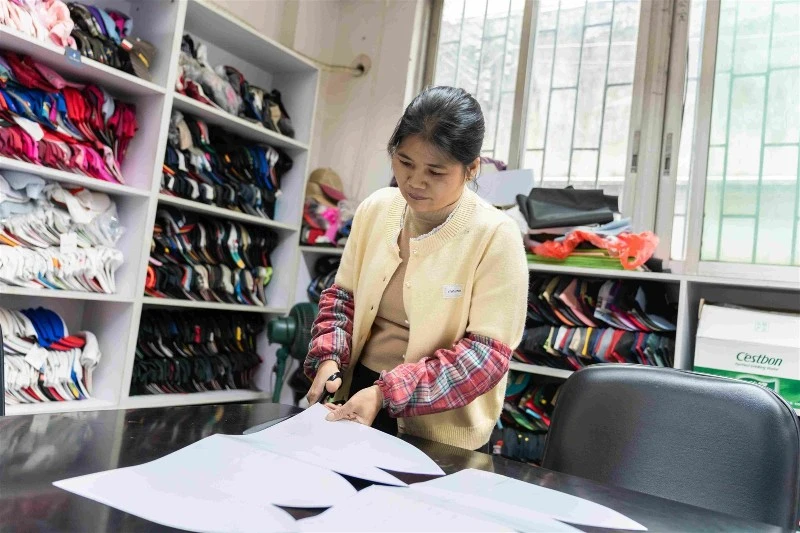
Expert Insight: Why Product Details Matter More Than Logos
Many new brands believe that the logo is the most important part of a custom cap.
However, experienced manufacturers know that premium products are created through small details.
Important details include:
Fabric hand feel
Crown shape
Stitching quality
Sweatband comfort
Brim flexibility
Internal finishing
For example, two caps may have the same embroidered logo, but customers will immediately notice the difference in:
Comfort
Fit
Durability
Overall appearance
A successful private label baseball cap is not just a decorated blank cap. It is a complete product experience.
Why Choose Wanjia Hat Factory as Your Private Label Baseball Cap Supplier?
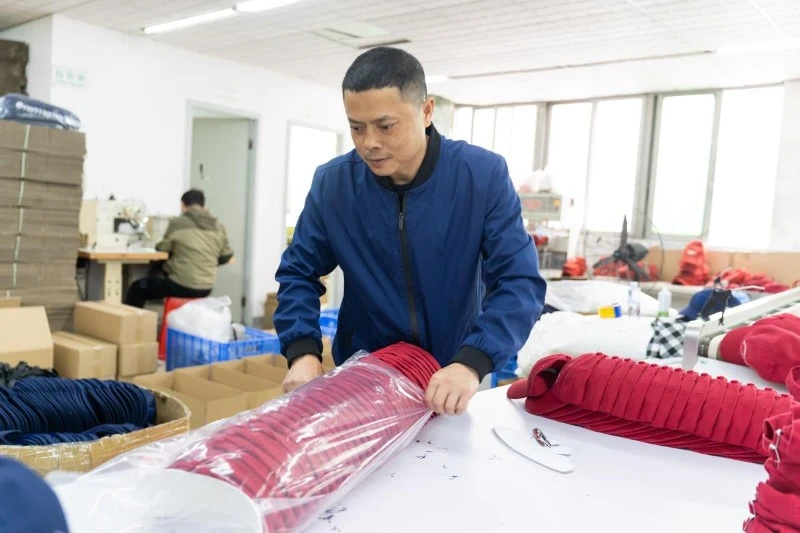
As a professional custom hat manufacturer in China, Wanjia Hat Factory specializes in OEM and private label baseball cap production for international brands, wholesalers, and retailers.
Our services include:
Custom Design Development
We help customers create:
New cap styles
Custom structures
Unique materials
Brand-specific details
Complete Branding Solutions
We provide:
Custom embroidery
Printing
Woven labels
Packaging solutions
Custom accessories
Flexible OEM Support
From first prototype to bulk production, we support:
New brands
Growing fashion companies
Established retailers
Our goal is to become a long-term manufacturing partner, not just a cap supplier.

Final Thoughts: Private Label Baseball Caps Create Long-Term Brand Value
Private label baseball caps provide brands with an opportunity to create unique products, strengthen customer recognition, and build long-term market advantages.
The key to success is choosing the right manufacturing partner who understands:
- Product development
- Material selection
- Quality control
- Brand requirements
Whether you are launching your first collection or expanding your existing product line, working with an experienced private label baseball cap manufacturer can help turn your idea into a market-ready product.
FAQ
Q: 1. What Are Private Label Baseball Caps?
A: Private label baseball caps are custom-made caps produced by a manufacturer and sold under a buyer's own brand name. They allow businesses to customize materials, logos, colors, labels, and packaging.
Q: 2. What Is The MOQ For Private Label Baseball Caps?
A: MOQ depends on the manufacturer, materials, and customization requirements. Many factories offer around 500 pieces per style/color, while some suppliers can support smaller development quantities.
Q: 3. Can I Create My Own Baseball Cap Design?
A: Yes. Professional OEM manufacturers can develop custom baseball caps based on sketches, reference photos, technical drawings, or existing samples.
Q: 4. How Long Does It Take To Produce Private Label Baseball Caps?
A: Sample development usually takes around 7–15 days. Bulk production typically requires 30–45 days after sample approval, depending on order quantity and complexity.
Q: 5. What Customization Options Are Available For Private Label Caps?
A: Common options include:
Custom embroidery
Printing
Woven labels
Custom fabrics
Special closures
Custom packaging
Unique cap structures
Q: 6. How Do I Choose The Best Private Label Baseball Cap Manufacturer?
A: Look for a supplier with:
OEM experience
Strong sample development ability
Quality control systems
Export experience
Good communication skills
A reliable manufacturer should help improve your product instead of only producing according to instructions.
References
Grand View Research – Headwear Market Analysis
https://www.grandviewresearch.com/industry-analysis/headwear-market
Statista – Apparel and Accessories Market Insights
https://www.statista.com/outlook/cmo/apparel/accessories/
Textile Exchange – Preferred Fiber & Materials Market Report
https://textileexchange.org/
International Trade Centre (ITC) – Trade Statistics and Market Information
https://intracen.org/
American Apparel & Footwear Association (AAFA) – Industry Information
https://www.aafaglobal.org/