



Meta Description:
Learn what materials are used in baseball caps, including cotton, polyester, and blended fabrics. This guide helps brands, wholesalers, and importers choose the right baseball cap materials for OEM manufacturing, customization, and bulk orders.
What Materials Are Used in Baseball Caps? Cotton, Polyester & Blends Explained for Global Buyers
When sourcing custom baseball caps, one of the first questions professional buyers ask is: What materials are used in baseball caps, and which fabric is best for my market?
The material choice directly influences product quality, customer experience, production cost, and brand positioning.
As a professional baseball cap manufacturer, supplier, OEM factory, and custom hat producer in China, Wanjia Hat Factory provides customized baseball caps for international brands, wholesalers, distributors, and promotional companies. We help customers select suitable fabrics, develop new designs, and produce high-quality caps based on different market requirements.
The three most commonly used materials in baseball cap manufacturing are:
- Cotton
- Polyester
- Cotton-polyester blends
Each material has different advantages. Cotton provides a premium natural feeling, polyester delivers excellent performance and durability, while blended fabrics offer a balanced solution for commercial production.
This guide explains everything buyers need to know before ordering custom baseball caps.
Why Baseball Cap Material Matters for Brands and Buyers
A baseball cap may look simple, but the fabric determines many important product features.
The right material affects:
Comfort
How soft and breathable the cap feels during daily wear.
Durability
How long the cap maintains its shape and appearance.
Brand Image
Whether the product feels premium, sporty, casual, or eco-friendly.
Manufacturing Performance
How well the fabric works with embroidery, printing, washing, and finishing processes.
For wholesalers and brand owners, choosing the wrong fabric can lead to:
- Poor customer reviews
- High return rates
- Unstable production quality
- Increased manufacturing costs
That is why experienced buyers always evaluate materials before bulk production.


Main Materials Used in Baseball Cap Manufacturing
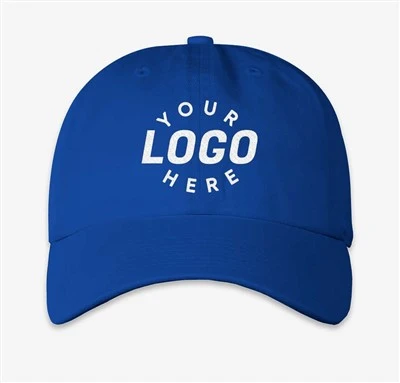
1. Cotton Baseball Caps: The Classic Choice for Lifestyle Brands
Cotton is one of the most popular materials used in baseball caps worldwide.
Because of its natural fiber structure, cotton creates a comfortable and premium wearing experience.
Many fashion brands, streetwear companies, and lifestyle retailers choose cotton baseball caps because customers recognize cotton as a high-quality and comfortable material.
Advantages of Cotton Baseball Caps
Soft Hand Feel
Cotton fabric feels comfortable against the skin.
For everyday products such as:
Dad hats
Vintage caps
Casual baseball caps
Washed caps
cotton is often the preferred material.
Natural Breathability
Cotton allows airflow and provides good comfort in normal weather conditions.
This makes cotton caps suitable for:
Daily commuting
Travel
Casual outdoor activities
Fashion accessories
Excellent for Vintage and Washed Effects
Many brands choose cotton because it works well with special finishing techniques.
Examples include:
Garment washing
Enzyme washing
Acid washing
Distressed effects
These processes create popular styles in the fashion market.
Cotton Baseball Cap Limitations
Although cotton is comfortable, it has some disadvantages.
| Issue | Explanation |
| Moisture absorption | Cotton absorbs sweat but dries slowly |
| Shrinkage risk | Requires proper washing control |
| Shape stability | Less resistant compared with polyester |
| Outdoor performance | Limited compared with technical fabrics |
For brands targeting sports or outdoor customers, another material may be more suitable.
Polyester Baseball Caps: Performance Meets Durability
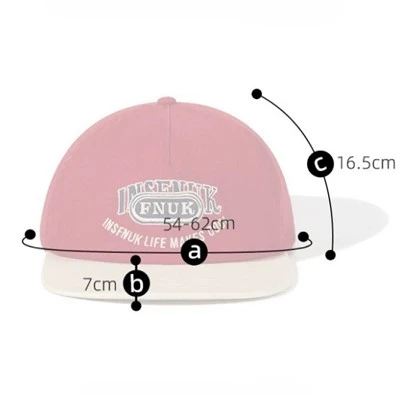
Polyester has become increasingly popular in modern baseball cap production.
Unlike natural fibers, polyester is engineered for strength, lightweight performance, and easy maintenance.
Many sports brands and outdoor companies choose polyester baseball caps because they need products that perform well under active conditions.
Advantages of Polyester Baseball Caps
Polyester helps move sweat away from the skin.
This makes it ideal for:
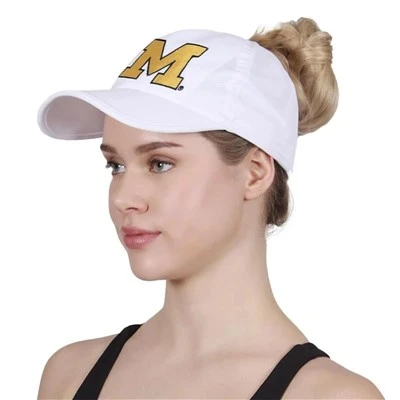
- Running caps
- Golf caps
- Fishing hats
Outdoor performance caps
A major advantage of polyester is structural stability.
Polyester caps usually maintain their original shape better after:
- Washing
- Frequent use
- Long transportation periods
This is especially important for structured baseball caps.
Polyester fibers are durable and suitable for products requiring long service life.
For companies ordering thousands of caps, durability helps protect brand reputation.
Polyester Baseball Caps: Common Applications
| Industry | Application |
|---|---|
| Sports brands | Performance caps |
| Outdoor companies | Hiking and fishing caps |
| Corporate promotions | Event giveaways |
| Team uniforms | Sports team caps |
| Workwear companies | Durable daily-use caps |
Cotton Polyester Blend Baseball Caps: The Best All-Round Solution
For many commercial buyers, blended fabrics are the most practical option.
A cotton-polyester blend combines:
- Cotton comfort
- Polyester durability
- Better wrinkle resistance
- Improved color stability
Common fabric combinations include:
| Fabric Ratio | Features |
|---|---|
| 60% Cotton / 40% Polyester | Comfortable with improved durability |
| 65% Polyester / 35% Cotton | Stronger performance |
| 50% Cotton / 50% Polyester | Balanced solution |
Why Many OEM Buyers Choose Blended Fabrics
For large-scale production, manufacturers often recommend blends because they provide better consistency.
Benefits include:
Stable Bulk Production
Blended fabrics usually have predictable performance during manufacturing.
Better Embroidery Results
The fabric structure supports:
3D embroidery
Flat embroidery
Logo patches
Cost Efficiency
Blends often provide better value for wholesalers and retailers.
Cotton vs Polyester vs Blends: Material Comparison
| Feature | Cotton | Polyester | Cotton Polyester Blend |
|---|---|---|---|
| Comfort | Excellent | Very Good | Excellent |
| Breathability | Excellent | Good | Very Good |
| Durability | Good | Excellent | Excellent |
| Moisture Control | Medium | Excellent | Good |
| Shape Retention | Medium | Excellent | Very Good |
| Embroidery Performance | Excellent | Good | Excellent |
| Cost Efficiency | Good | Excellent | Excellent |
How Professional Manufacturers Select Baseball Cap Materials
A reliable baseball cap factory does not simply choose fabric based on price.
Professional manufacturers consider several factors.
Brand Positioning
Different brands require different material solutions.
Recommended:
100% cotton
Organic cotton
Washed cotton
Recommended:
Polyester
Nylon
Performance fabrics
Recommended:
Cotton polyester blends
Decoration Requirements
The decoration method affects fabric selection.
Recommended:
Cotton twill
Polyester twill
Blended fabrics
Recommended:
Polyester fabrics
Recommended:
Smooth polyester blends
Choosing the correct material ensures better logo quality.
New Industry Trend: Sustainable Materials in Baseball Cap Production
Sustainability has become an important factor in global apparel sourcing.
Many international buyers are now requesting environmentally responsible materials.
Recycled Polyester Caps
Recycled polyester is becoming increasingly popular among:
Outdoor brands
Eco-conscious retailers
Sustainable fashion companies
Advantages include:
Lower environmental impact
Strong durability
Similar performance to traditional polyester
Organic Cotton Baseball Caps
Organic cotton is another growing trend.
Brands use organic cotton to communicate:
Sustainable sourcing
Premium quality
Environmental responsibility
For customers targeting eco-conscious consumers, organic cotton caps can create additional brand value.
Expert Manufacturing Insight: Material Is Only Part of Cap Quality
Many buyers focus only on fabric, but professional cap manufacturing requires a complete quality system.
A high-quality baseball cap depends on:
Fabric selection
The correct material creates the right product performance.
Pattern design
Proper panels and crown structure affect fit.
Production techniques
Including:
Stitching quality
Sweatband construction
Visor shaping
Logo application
Quality control
Every bulk order should be checked for:
Fabric defects
Color consistency
Measurement accuracy
Decoration quality
A professional OEM factory helps manage every step.
Step-by-Step Guide: How to Choose Baseball Cap Materials for Bulk Orders
Step 1: Identify Your Customer Group
Ask:
Who will wear this cap?
What environment will it be used in?
What quality expectations do customers have?
Step 2: Select the Right Fabric
Examples:
Streetwear brand → Washed cotton
Sports brand → Polyester
Retail chain → Cotton polyester blend
Eco brand → Organic cotton or recycled polyester
Step 3: Request Samples Before Mass Production
Before placing a large order, check:
Fabric quality
Color accuracy
Comfort
Logo appearance
Washing performance
Sampling reduces production risks.
Why Choose Wanjia Hat Factory as Your Baseball Cap OEM Partner?
Choosing the right manufacturing partner is as important as choosing the right material.
At Wanjia Hat Factory, we provide:
Professional Material Recommendations
Our team helps customers select suitable fabrics based on:
Product positioning
Target market
Budget requirements
Full Customization Services
Including:
Custom colors
Custom logos
Embroidery
Printing
Labels
Packaging
OEM Manufacturing Experience
We support:
Fashion brands
Sports brands
Promotional companies
Wholesalers
Importers
From prototype development to bulk production, we help customers create reliable baseball cap products.
Final Thoughts: Choosing the Right Baseball Cap Material
So, what materials are used in baseball caps?
The answer depends on the purpose of the product.
Cotton baseball caps are perfect for comfort, fashion, and lifestyle products.
Polyester baseball caps are ideal for sports, outdoor activities, and performance applications.
Cotton-polyester blends provide the most balanced solution for commercial production.
For brands and wholesalers, selecting the correct fabric is the first step toward creating successful products.
Working with an experienced baseball cap manufacturer and OEM supplier ensures better material selection, stable quality, and smoother production.
Wanjia Hat Factory helps global customers develop customized baseball caps with professional manufacturing solutions.
FAQ
Q: 1. What Materials Are Commonly Used In Baseball Caps?
A: The most common baseball cap materials are cotton, polyester, and cotton-polyester blends. These materials cover most fashion, sports, promotional, and retail applications.
Q: 2. Which Material Is Best For Custom Baseball Caps?
A: The best material depends on your product purpose. Cotton works well for lifestyle caps, polyester is suitable for performance caps, and blends are ideal for general commercial production.
Q: 3. Are Polyester Baseball Caps Better For Outdoor Use?
A: Yes. Polyester baseball caps are usually better for outdoor use because they provide moisture resistance, durability, and better shape retention.
Q: 4. Can I Customize The Material For OEM Baseball Caps?
A: Yes. Professional OEM factories can customize fabrics, colors, finishes, and functional treatments based on your product requirements.
Q: 5. What Is The Best Fabric For Embroidered Baseball Caps?
A: Cotton twill and cotton-polyester blends are commonly preferred because they provide a stable surface for high-quality embroidery.
Q: 6. Are Sustainable Materials Available For Baseball Cap Production?
A: Yes. Many manufacturers now offer options such as recycled polyester and organic cotton for brands looking for sustainable products.
References
Cotton Incorporated – Cotton Fiber & Textile Information
https://cottonworks.com/
Textile Exchange – Sustainable Materials Reports
https://textileexchange.org/
International Textile Manufacturers Federation (ITMF)
https://itmf.org/
European Outdoor Conservation Association
https://outdoorconservation.eu/
Global Fashion Agenda – Sustainable Fashion Insights
https://globalfashionagenda.org/