

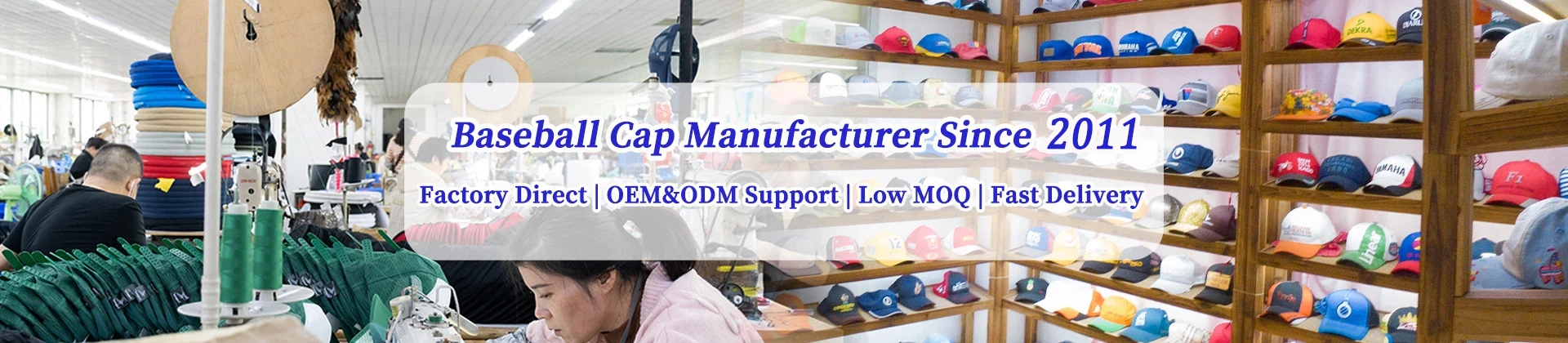
For a novice who has just entered the industry, if you want to do a good job in the hat business, you really have to pay attention to a lot of details. Today, we will use simple vernacular to talk about the most common pitfalls and key points that novices should pay attention to when doing hat business.
1. Choose the target customer group
The first step is to figure out who you want to sell to.
Are you selling to young people, children, workers, or corporate team building customers?
Each type of customer requires different hat types, styles, and prices.
For example:
Young people like trendy styles, flat-brimmed hats, and design-conscious LOGOs
Factories and companies like simple and durable advertising hats and baseball caps
Children's hats should be light, safe, and have interesting patterns
2. Don't blindly chase styles, look at hot-selling styles
When you first start, it is not recommended to import a lot of fancy new styles at once. You can start with classic styles that are mature in the market, such as:
Plain Baseball Cap
Snapback Hat
Trucker Cap
Dad Hat
Bucket Hat

3. Choosing the right hat factory is critical
Whether the hat is well made and the quality is stable or not has a lot to do with the factory.
When choosing a factory, pay attention to:
**Does it have experience? **For example, WANJIA factory has 15 years of experience in hat production
**Is the minimum order quantity reasonable? **For beginners, a minimum order of 100 is more friendly
**Is the proofing fast? **Samples will be available in 3 to 5 days so that you can quickly try out the style
**Does it support customization? **It is best to be able to make LOGO, packaging, and washing labels
4, what should you pay attention to when customizing hats?
For brand or group orders, most customers want to customize the LOGO.
Common LOGO methods include:
Embroidery
Printing
Leather label, rubber stamp
5, don't put too much inventory, it is safer to purchase in moderation
For beginners who are just starting to make hats, it is recommended to start with a small number of styles and observe the market reaction.
For example:
Make about 100 hats of each style
Make some regular colors (black, white, gray, navy blue) + a small amount of popular colors