


When creating custom hats for a brand, company, sports team, or promotional campaign, choosing the right material is one of the most important decisions. Many buyers focus on the logo design, colors, or embroidery style first, but the fabric choice directly affects the hat's comfort, durability, appearance, production cost, and customer satisfaction.
The best hat materials for custom manufacturing depend on how the hats will be used, who will wear them, and what image a brand wants to create. A premium fashion brand may prefer soft cotton or wool blends, while an outdoor company may need lightweight and water-resistant fabrics like polyester or nylon.
Understanding different hat materials before production helps businesses avoid quality issues and create products that customers will actually enjoy wearing.
In this guide, we will explain the most popular hat materials used in custom manufacturing and how to choose the right option for your next custom hat project.
Why Choosing the Right Hat Material Matters in Custom Manufacturing
Hat material is not just about appearance. It influences almost every aspect of the final product.
Comfort and Wearing Experience
A hat is usually worn directly on the head for several hours, so comfort is essential. The fabric affects softness, breathability, weight, and moisture control.
For example, cotton hats are popular because they feel natural and comfortable against the skin. On the other hand, polyester hats are often preferred for sports and outdoor activities because they dry faster and handle sweat better.
A well-selected material creates a better customer experience and increases the chance of repeat purchases.
Durability and Product Lifespan
Different fabrics perform differently over time.
A high-quality custom hat should maintain:
Its shape after repeated use
Color after washing and sun exposure
Structural strength around the crown and brim
For brands selling premium headwear, choosing durable materials is especially important because product quality directly influences brand reputation.
Manufacturing Cost and Brand Positioning
Material selection also affects the production cost and final selling price.
For example:
Cotton is widely used and offers a balance between quality and cost.
Polyester is cost-effective and suitable for large-volume production.
Wool blends create a premium feeling but usually have higher material costs.
The right choice allows brands to achieve the desired product quality without exceeding their budget.
Popular Hat Materials for Custom Manufacturing
Cotton: The Classic Choice for Comfortable Everyday Hats
Cotton is one of the most common materials used in custom baseball caps and casual headwear.
Advantages of Cotton Hats:
Soft and comfortable
Natural texture
Excellent breathability
Easy to customize with embroidery
Suitable for everyday wear
Cotton works especially well for:
Baseball caps
Dad hats
Streetwear hats
Promotional caps
Many lifestyle brands choose cotton because it creates a relaxed and premium look that customers associate with comfort and quality.
Common cotton fabrics used in hat manufacturing include:
Cotton twill
Washed cotton
Organic cotton
Canvas cotton
However, cotton also has some limitations. It absorbs moisture more easily than synthetic fabrics and may not be the best choice for intense outdoor activities or sports.
Polyester: A Durable Material for Performance and Outdoor Hats
Polyester has become one of the most popular materials in modern hat manufacturing because of its durability and performance advantages.
Benefits of Polyester Hats:
Lightweight
Quick-drying
Strong resistance to wrinkles
Excellent color retention
Good durability
Polyester is commonly used for:
Sports caps
Running hats
Golf caps
Trucker hats
Outdoor performance hats
For brands targeting customers who enjoy outdoor activities, polyester is often a practical choice because it performs well in changing weather conditions.
Compared with cotton, polyester maintains its shape better and is less likely to shrink after washing.
Nylon: A Strong Choice for Outdoor and Functional Headwear
Nylon is another popular material for performance-based hats.
It is known for being:
Lightweight
Strong
Flexible
Water-resistant
Nylon hats are commonly used for:
Fishing hats
Hiking caps
Travel hats
Adventure outdoor products
Outdoor brands often select nylon because their customers need reliable headwear that can handle sun, wind, and moisture.
For example, a fishing brand may prefer nylon or nylon-blend hats because they provide better protection during long hours outdoors.
Wool and Wool Blends: Premium Materials for Fashion Brands
Wool is often associated with high-end and premium headwear.
It provides:
A luxurious texture
Excellent shape retention
A sophisticated appearance
Natural warmth
Wool and wool-blend materials are commonly used for:
Premium baseball caps
Designer hats
Fashion collections
Although wool offers a premium look, it usually requires a higher production budget compared with cotton or polyester.
For brands focusing on luxury positioning, however, the additional cost can create a stronger perceived value.
Acrylic: A Cost-Effective Alternative to Wool
Acrylic is a synthetic fiber that can provide a similar appearance to wool at a more affordable price.
Advantages include:
Good color stability
Easy maintenance
Lower production cost
Similar texture to wool
Acrylic is often used when brands want a premium appearance while maintaining competitive pricing.
It is commonly found in:
Fashion hats
Winter headwear
Customized caps
Sustainable Hat Materials: Growing Choices for Modern Brands
Sustainability has become an important consideration for many consumers and businesses.
Popular eco-friendly hat materials include:
Organic Cotton
Organic cotton is grown with fewer chemicals and is often selected by environmentally conscious brands.
Recycled Polyester
Recycled polyester, often made from recycled plastic materials, helps reduce waste while maintaining the performance benefits of traditional polyester.
Sustainable materials are especially attractive for:
Eco-friendly clothing brands
Outdoor companies
Lifestyle businesses
Choosing sustainable fabrics can also help brands build stronger connections with customers who value responsible production.

How to Choose the Best Material for Your Custom Hats
There is no single "best" hat material for every project. The right choice depends on several factors.
Consider Your Target Customers
Think about who will wear the hats.
Streetwear Brands:
Recommended materials:
Washed cotton
Cotton twill
Wool blends
Outdoor Brands:
Recommended materials:
Polyester
Nylon
Promotional Products:
Recommended materials:
Polyester
Cotton blends
Match the Material With the Hat Style
Different hat styles work better with certain fabrics.
| Hat Style | Recommended Materials |
|---|---|
| Baseball Caps | Cotton, Polyester |
| Trucker Hats | Polyester, Nylon |
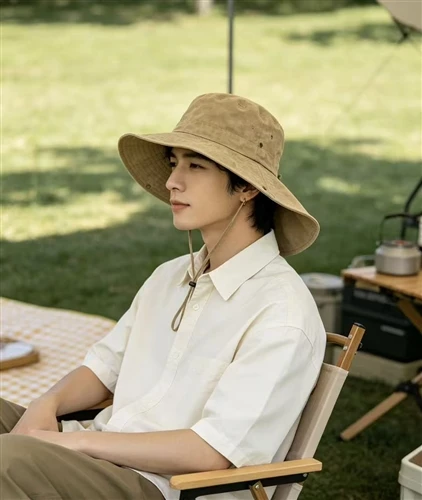
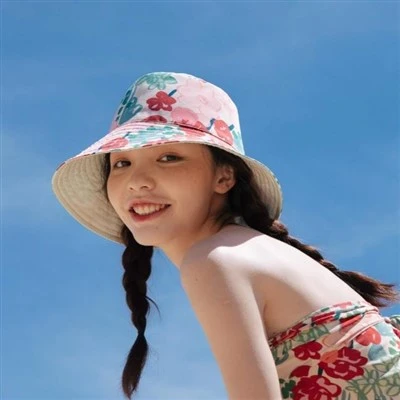
| Bucket Hats | Cotton, Nylon |
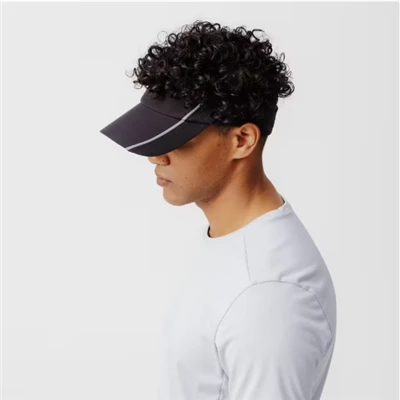
| Golf Visors | Polyester |
| Premium Caps | Wool Blend |
Choosing the right combination of style and material improves both appearance and performance.
Consider Your Decoration Method
The customization method can also influence material selection.
For example:
Embroidery
Works well with:
Cotton twill
Polyester
Leather Patch
Works well with:
Canvas
Cotton fabrics
Heat Transfer Printing
Often works better on:
Smooth polyester surfaces
A professional hat manufacturer can help recommend the best material based on the decoration technique.

Final Thoughts: The Right Material Creates Better Custom Hats
Choosing the best hat materials for custom manufacturing is an important step that affects product quality, customer satisfaction, and brand value.
Cotton offers comfort and classic style. Polyester provides durability and performance. Nylon supports outdoor applications. Wool blends create premium appeal, while sustainable fabrics help brands meet modern consumer expectations.
Before starting a custom hat project, consider your target market, product purpose, budget, and customization requirements.
Working with an experienced custom hat manufacturer can help you select the right material and create headwear that not only looks good but also delivers long-term value for your customers.