

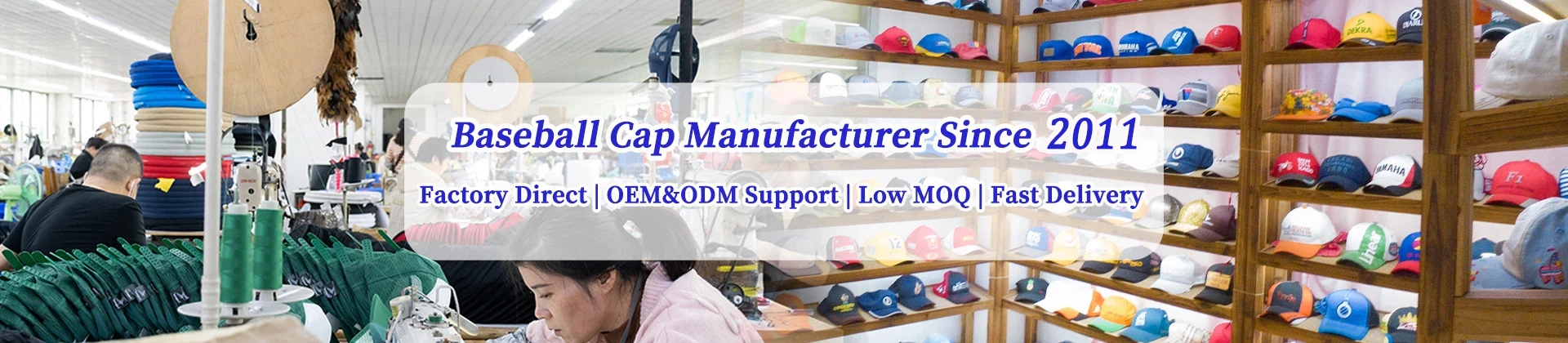


For brands, wholesalers, and promotional product companies, understanding the custom baseball cap manufacturing process is essential before choosing a reliable supplier. A professional baseball cap manufacturer, OEM factory, and custom hat supplier can transform a design concept into a high-quality finished product through a carefully controlled production process.
At Wanjia Hat Factory, we specialize in custom baseball cap manufacturing for overseas brands, retailers, wholesalers, and production partners. From fabric selection and pattern development to embroidery, printing, quality inspection, and bulk production, every step affects the final appearance, durability, and market value of the cap.
A baseball cap may look simple, but producing a premium-quality custom cap requires expertise in:
Fabric engineering
Pattern cutting
Sewing technology
Logo application
Shape control
Quality management
Export production standards
This article explains the complete custom baseball cap manufacturing process step by step, helping global buyers understand how professional hat factories create customized products.
Design Development and Product Planning
Every successful custom baseball cap starts with a clear design concept.
Before production begins, buyers usually provide:
Reference images
Technical drawings
Logo files
Fabric requirements
Color preferences
Size specifications
Packaging requirements
A professional OEM baseball cap factory will review the design and evaluate production feasibility.
For example:
A brand may request:
6-panel low-profile dad hats
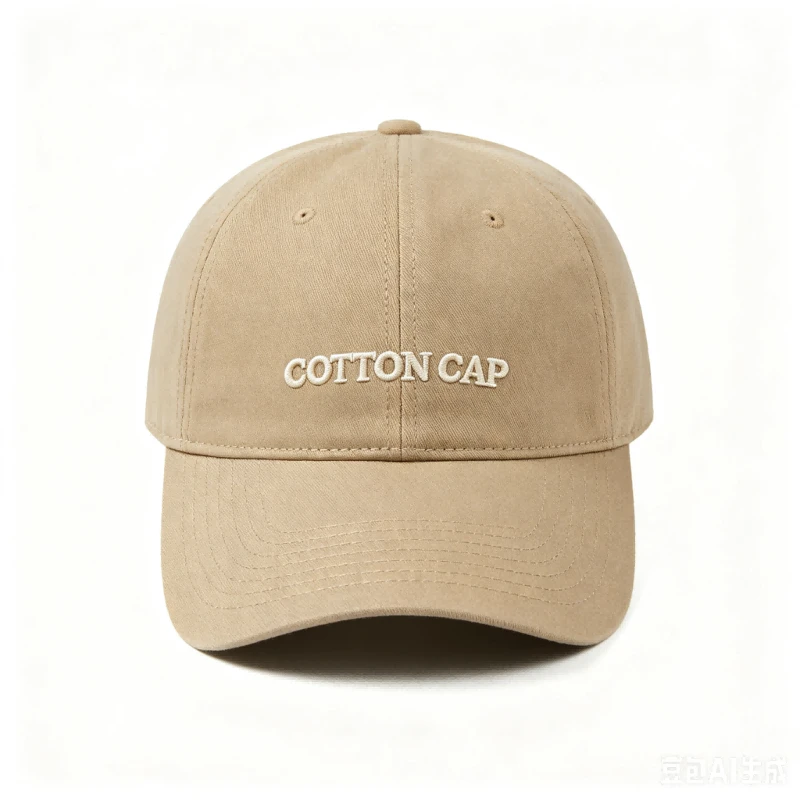
Washed cotton baseball caps
Embroidered logo caps
Polyester sports caps
Custom snapback hats
The factory needs to confirm:
comparison of product parameters
| Design Element | Production Consideration |
| Fabric | Thickness, durability, shrinkage |
| Logo | Embroidery, printing, patch, woven label |
| Shape | Crown height, brim curve |
| Closure | Metal buckle, Velcro, plastic snap |
| Packaging | Individual bags, cartons, custom boxes |
Expert insight:
Many production problems happen because designs are not technically reviewed before sampling. A professional manufacturer helps optimize the design before mass production.
Material Selection for Custom Baseball Caps
Material selection directly influences comfort, durability, and customer satisfaction.
Common baseball cap materials include:
Cotton
Cotton is one of the most popular choices for lifestyle brands.
Advantages:
Soft hand feel
Breathable
Comfortable for daily wear
Suitable for embroidery
Popular products:
Custom dad hats
Vintage washed caps
Casual streetwear caps
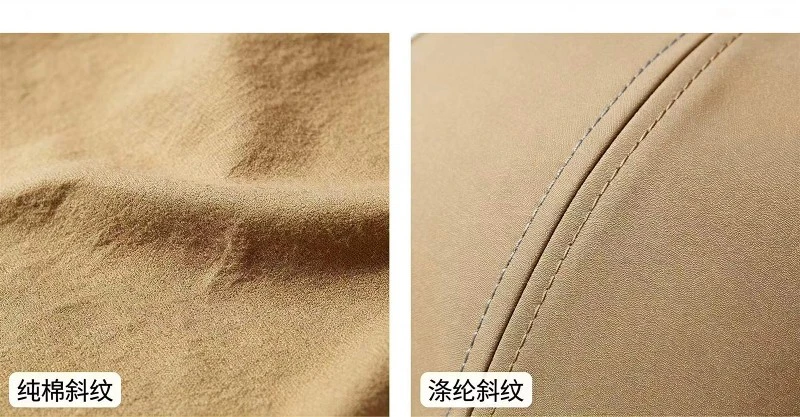
Polyester
Polyester is widely used for sports and outdoor caps.
Advantages:
Lightweight
Quick-drying
Shape retention
Color stability
Common applications:
Running caps
Golf caps
Promotional sports hats
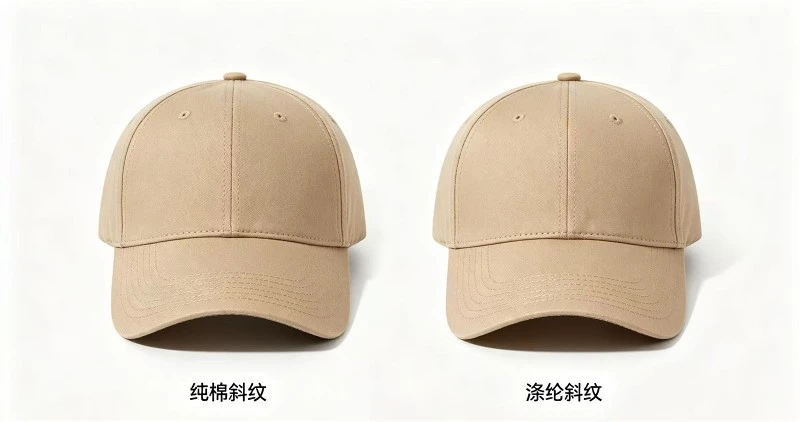
Cotton-Polyester Blend
A blended fabric combines the advantages of both materials.
Benefits:
Better durability
Reduced wrinkles
More stable shape
Cost-effective
Many commercial brands choose cotton-polyester blends for bulk production.
Pattern Making and Sample Development
After confirming materials and specifications, the factory creates production patterns.
A standard baseball cap usually contains:
Front panels
Side panels
Back panels
Visor
Sweatband
Closure system
The pattern determines:
Cap shape
Wearing comfort
Crown height
Overall appearance
Sample Development Process
A typical OEM sample process includes:
The technical team creates cutting templates based on the design.
The first sample is produced to check:
Size
Shape
Color
Logo position
Stitching quality
The buyer reviews the sample and requests adjustments if necessary.
After approval, the factory prepares bulk production.
Professional factories usually recommend sample confirmation before mass production to reduce risks and avoid expensive corrections.


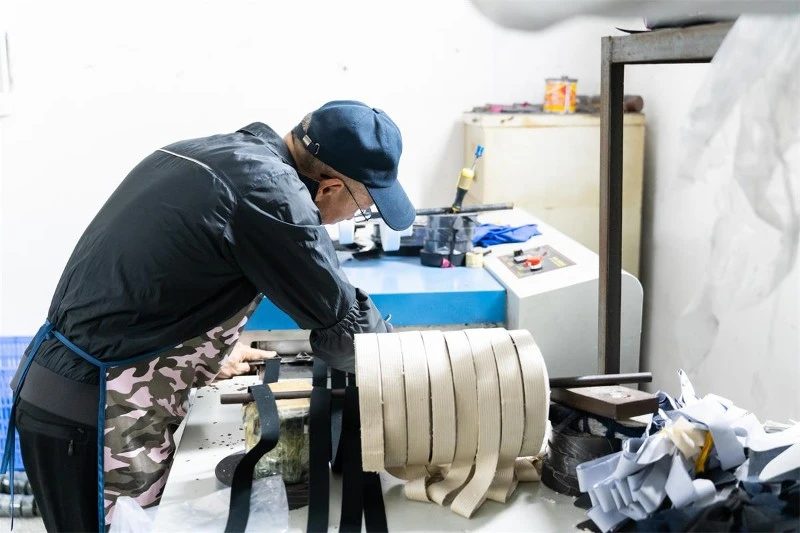
Fabric Cutting and Panel Preparation
Once the sample is approved, bulk manufacturing begins.
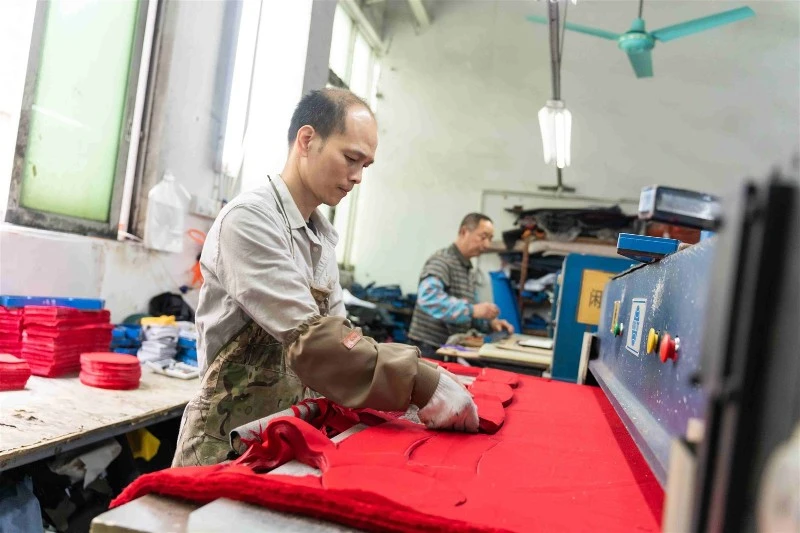
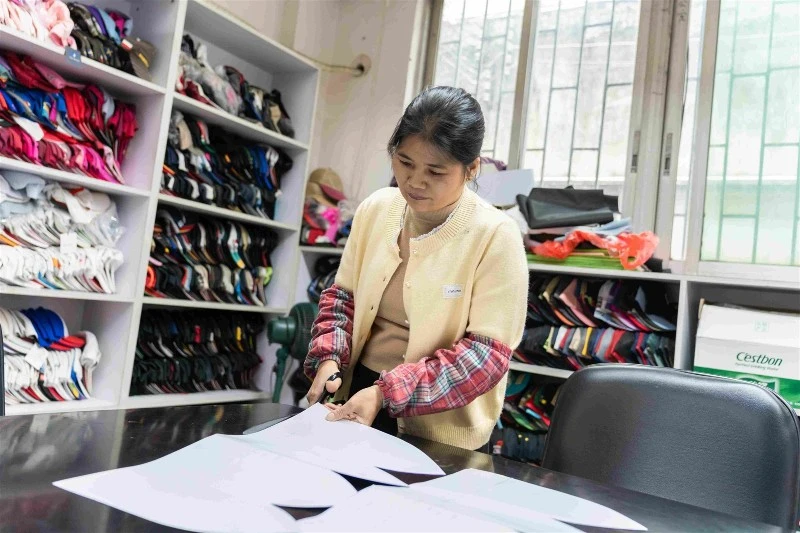
The first production step is fabric cutting.
The factory cuts fabric into different components:
Crown panels
Brim fabric
Sweatband materials
Reinforcement layers
Modern factories may use:
Manual cutting
Computerized cutting machines
Laser cutting technology
Precise cutting ensures:
Consistent sizing
Better stitching alignment
Reduced material waste
Logo Customization Process
Logo customization is one of the most important steps in custom baseball cap manufacturing.
Different logo methods create different brand impressions.
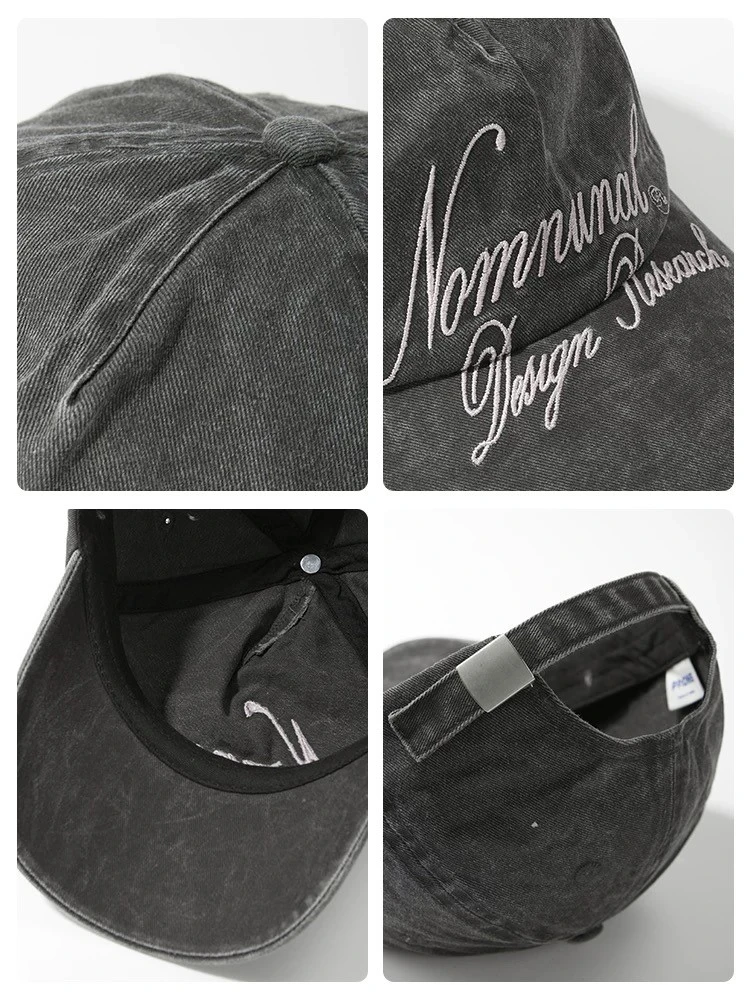
Embroidery
Embroidery is the most popular premium customization method.
Advantages:
Professional appearance
Long-lasting
Three-dimensional effect
Suitable for:
Fashion brands
Corporate merchandise
Sports teams
Screen Printing
Screen printing works well for:
Large logos
Color graphics
Promotional caps
Benefits:
Cost-effective
Suitable for bulk orders
Patch Application
Custom patches create a premium outdoor or streetwear style.
Common patch materials:
Leather patch
Rubber patch
Woven patch
Embroidered patch
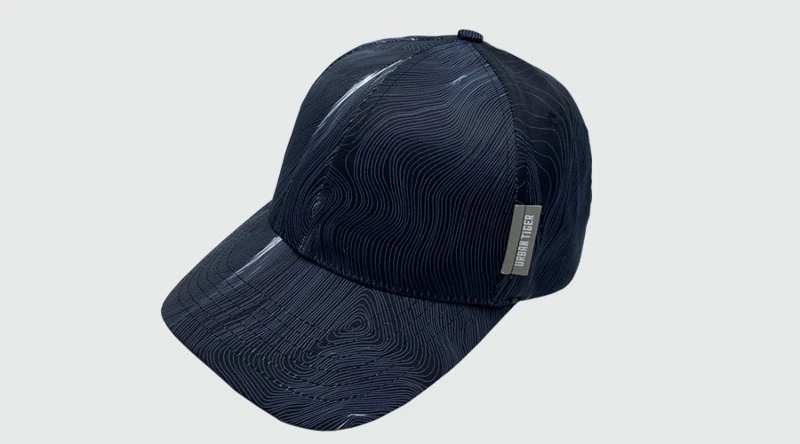
Sublimation Printing
Sublimation is ideal for polyester caps with all-over patterns.
Advantages:
Full-color designs
High-detail images
Strong color durability
Sewing and Cap Assembly
Sewing is the core stage of baseball cap production.
Skilled workers assemble each component carefully.
The process usually includes:
Panel Sewing
Individual panels are stitched together to create the crown.
Important quality factors:
Straight seams
Strong stitching
Symmetrical shape
Sweatband Installation
The sweatband improves:
Comfort
Moisture absorption
Wearing experience
Premium caps often use cotton or polyester sweatbands.
Closure Attachment
Common closure options include:
| Closure Type | Common Application |
|---|---|
| Metal buckle | Dad hats, vintage caps |
| Snapback | Streetwear caps |
| Velcro | Sports and work caps |
| Elastic strap | Casual caps |
Brim Formation and Shape Control
The visor is a key feature that defines a baseball cap.
The brim manufacturing process includes:
Cutting brim fabric
Adding plastic reinforcement
Sewing upper and lower layers
Creating the final curve
Different styles require different shaping:
Curved brim caps
Flat brim caps
Pre-curved baseball caps
A high-quality factory controls:
Brim symmetry
Curve consistency
Edge stitching
This is especially important for premium brands.
Washing, Finishing, and Quality Improvement
Some baseball caps require special finishing treatments.
Common finishing methods include:
Garment Washing
Creates:
Vintage appearance
Softer hand feel
Fashionable worn effect
Popular for:
Washed cotton caps
Casual lifestyle brands
Brushing
Improves fabric softness.
Final Pressing
Helps maintain:
Clean shape
Professional appearance
Packaging quality
Quality Inspection Before Shipment
Quality control is a critical part of professional custom baseball cap manufacturing.
Before shipment, factories inspect:
Appearance
Checking:
Loose threads
Stains
Color differences
Logo position
Measurements
Including:
Cap circumference
Crown height
Brim length
Function Testing
Checking:
Closure strength
Stitch durability
Shape stability
A reliable supplier should provide consistent quality from the first piece to the last production unit.
Latest Trends in Custom Baseball Cap Manufacturing
The global custom hat market is changing quickly.
Several trends are becoming increasingly important.
1. Sustainable Materials
More brands are requesting:
Organic cotton
Recycled polyester
Eco-friendly packaging
Sustainability has become a purchasing factor for many international buyers.
2. Premium Minimalist Designs
Many emerging brands prefer:
Small embroidered logos
Neutral colors
High-quality fabrics
Simple branding
This creates a premium lifestyle image.
3. Small MOQ Customization
Modern brands often test markets before large production.
Flexible manufacturers now provide:
Low MOQ sampling
Multiple color options
Small batch production
This helps startups reduce inventory risks.
How to Choose the Right Baseball Cap Manufacturer
Selecting the right supplier directly affects your product success.
Before placing an order, consider:
Manufacturing Experience
Ask:
How many years has the factory produced hats?
Does it specialize in OEM production?
What markets does it serve?
Production Capability
A professional supplier should have:
Experienced workers
Stable supply chain
Quality control system
Export experience
Communication Ability
Good suppliers should provide:
Fast responses
Clear quotations
Production updates
Technical suggestions
Customization Options
A complete OEM partner should support:
Custom fabrics
Custom colors
Logo embroidery
Packaging solutions
Product development
Why Work With Wanjia Hat Factory?
As a professional custom baseball cap manufacturer in China, Wanjia Hat Factory provides complete OEM and ODM solutions for global customers.
Our services include:
✔ Custom baseball cap design
✔ Fabric sourcing
✔ Logo embroidery and printing
✔ Custom labels and packaging
✔ Sample development
✔ Bulk production
✔ Quality inspection
We help international brands create market-ready caps with reliable craftsmanship and competitive manufacturing solutions.
FAQ
Q: 1. How Long Does The Custom Baseball Cap Manufacturing Process Take?
A: The timeline depends on design complexity, materials, and order quantity. Usually, sample development takes around 7–15 days, while bulk production may require 25–45 days.
Q: 2. What Is The Minimum Order Quantity For Custom Baseball Caps?
A: MOQ depends on the factory, material, and customization requirements. Many OEM manufacturers offer flexible MOQ options for startups and established brands.
Q: 3. Can I Customize The Logo On Baseball Caps?
A: Yes. Custom baseball caps can include embroidery, printing, patches, woven labels, or other branding methods.
Q: 4. How Do I Ensure The Quality Of Custom Baseball Caps?
A: Choose a manufacturer with professional sampling procedures, quality inspection systems, experienced workers, and export production experience.
Q: 5. Can A Baseball Cap Factory Help Improve My Design?
A: Yes. Experienced OEM factories can provide suggestions on fabric selection, structure optimization, logo placement, and production feasibility.
References
International Organization for Standardization (ISO) – Textile and Apparel Standards
https://www.iso.org/
American Apparel & Footwear Association (AAFA) – Apparel Industry Information
https://www.aafaglobal.org/
Textile Exchange – Sustainable Textile Materials and Industry Reports
https://textileexchange.org/
Ellen MacArthur Foundation – Circular Economy and Sustainable Fashion
https://ellenmacarthurfoundation.org/
International Trade Centre (ITC) – Global Trade Information and Market Analysis
https://www.intracen.org/

Conclusion
The custom baseball cap manufacturing process involves much more than sewing fabric together. From initial design planning and material selection to logo customization, production control, and final inspection, every step determines the quality of the finished product.
For brands looking for a reliable OEM baseball cap manufacturer, working with an experienced factory can reduce production risks and create products that meet international market expectations.