

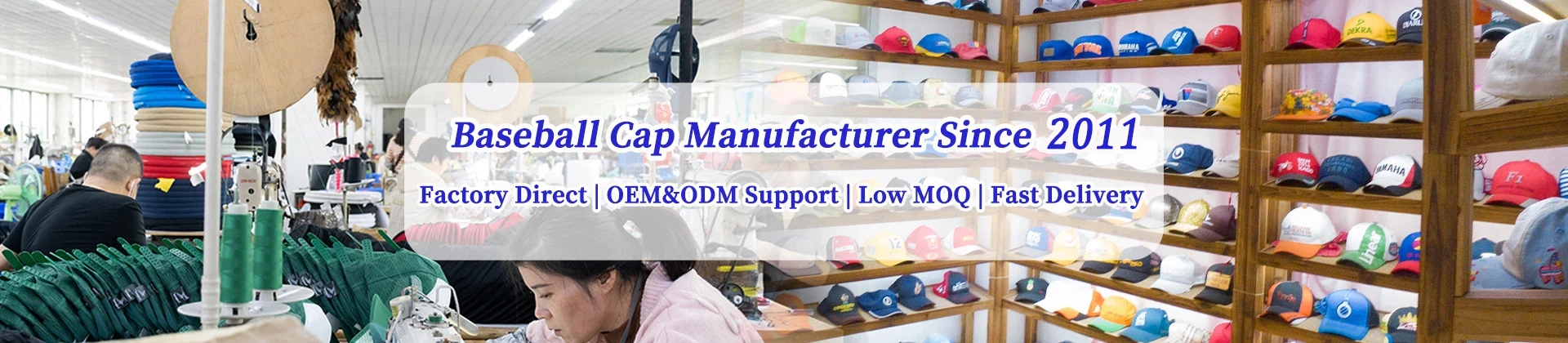

A factory may offer an attractive price but struggle to match colors across different production runs. Another supplier may produce excellent samples but fail to meet delivery schedules once order quantities increase. In some cases, communication problems lead to repeated sample revisions, unexpected costs, or products that no longer match the original design.
For brands and distributors, choosing a custom logo baseball cap manufacturer is not simply about finding someone who can sew a cap. It is about selecting a partner that understands your product goals, maintains consistent quality, and can support your business as it grows.
This guide explains what experienced buyers usually look for before deciding on a manufacturing partner and highlights the areas that deserve attention before requesting a quotation.
Why Your Manufacturer Matters More Than You May Think
Many first-time buyers focus on the product itself. They compare pictures, fabrics, or prices without paying much attention to the factory behind those products.
Experienced buyers often work in the opposite direction.
A reliable manufacturer influences far more than production. They affect product consistency, delivery schedules, communication efficiency, and even customer satisfaction after the products reach the market.
For example, two suppliers may use similar materials and produce hats with almost identical appearances. However, differences become obvious during larger production runs. One factory may keep embroidery positions consistent across every carton, while another may produce noticeable variations that become customer complaints.
The manufacturer you choose today may also become the supplier for your next collection. Building a long-term relationship is usually more valuable than changing factories every season to save a small percentage on cost.
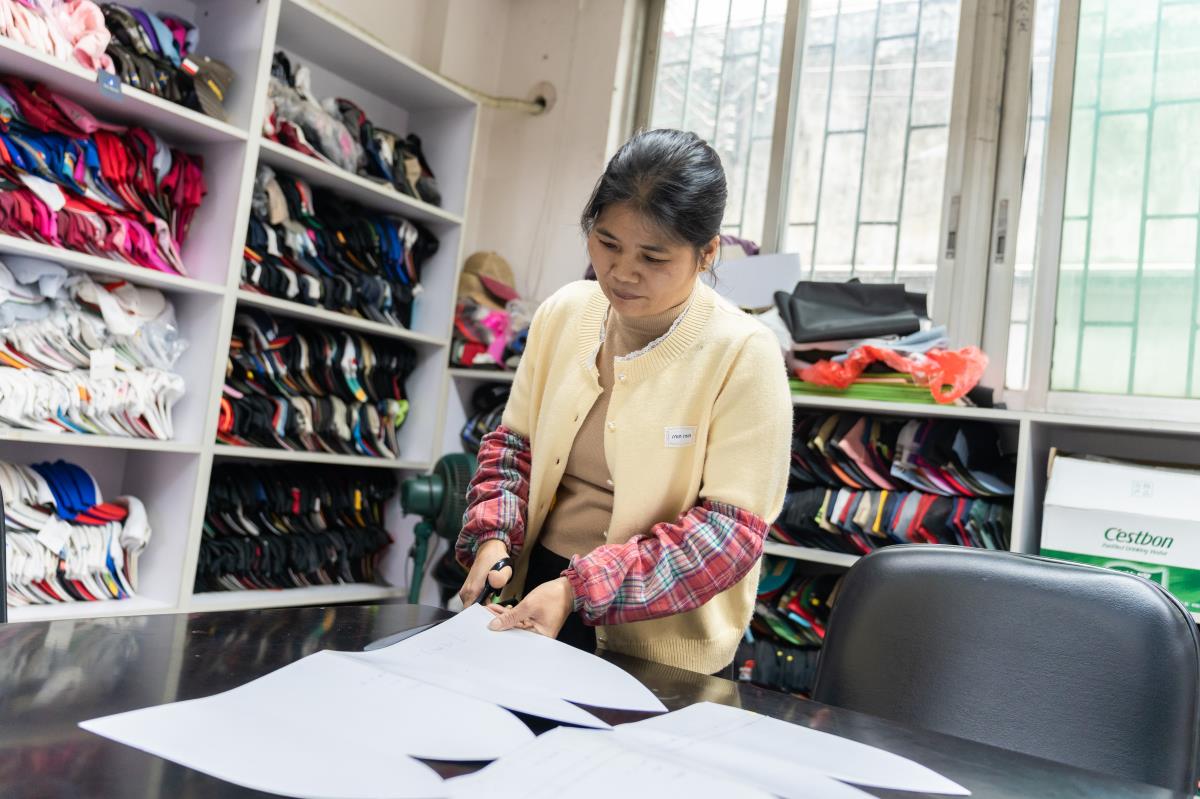
Step 1: Define Your Product Before Contacting Any Factory
One of the biggest sourcing mistakes is asking for quotations before knowing exactly what you want to produce.
Manufacturers can only provide accurate recommendations when they understand your project. Spending a little extra time preparing your requirements often reduces sampling revisions and shortens production time.
Before requesting a quotation, prepare answers to questions such as:
Who is the product designed for?
Will the cap be sold as a fashion accessory, promotional item, or outdoor product?
Which logo method fits your brand image?
What price range should the finished product reach?
What order quantity do you expect after sampling?
These answers help narrow material choices and avoid unnecessary design changes later.
For example, a lightweight cotton cap for a summer clothing brand requires very different construction from a structured snapback designed for streetwear retailers. Without this information, manufacturers can only make general recommendations.

Step 2: Look Beyond Product Photos
Product galleries tell only part of the story.
Most manufacturers can display attractive photos on their websites. The more useful information usually comes from the details they are willing to discuss during communication.
Instead of asking only, "Can you make this cap?", consider asking questions such as:
Which fabric would you recommend for this design?
How would this logo perform on different materials?
Is this structure suitable for everyday wear or fashion retail?
Would another closure improve comfort?
Which decoration method offers better durability?
Detailed answers often reveal how familiar a manufacturer is with cap production rather than simple trading.
Another useful sign is whether the supplier explains both the advantages and the limitations of different options. Experienced manufacturers usually explain why one material performs better than another instead of automatically recommending the most expensive choice.

Step 3: Evaluate Manufacturing Capabilities Instead of Factory Size
Many buyers assume that larger factories always produce better products.
That is not necessarily true.
A smaller manufacturer with an experienced production team may provide better communication, more flexible sampling, and greater attention to product details than a factory producing hundreds of thousands of units every month.
Rather than focusing on factory size, evaluate practical capabilities.
Can they manufacture different cap constructions such as dad hats, trucker hats, snapbacks, five-panel caps, and bucket hats?
Can they explain the differences between embroidery techniques instead of simply listing them?
Do they understand how different fabrics behave during embroidery or washing?
Can they recommend changes that improve production efficiency without changing the appearance of your design?
These conversations often tell you far more than any company profile.
A manufacturer that asks thoughtful questions about your project is usually more valuable than one that immediately promises to produce everything exactly as shown in your drawings.
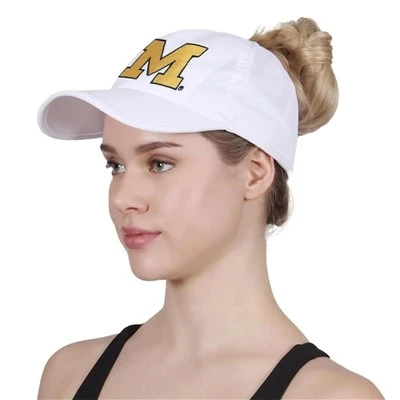
Step 4: Choose a Logo Method That Matches the Product
The logo is often the first thing people notice, but it should also suit the cap itself. A decoration method that looks great on one material may not produce the same result on another.
For clean, timeless branding, flat embroidery remains one of the most reliable choices. It offers good durability and works well for company logos, sports teams, and everyday retail products.
Three-dimensional puff embroidery creates a raised effect that attracts attention from a distance. It is frequently used by streetwear brands, but it requires thicker lettering and simple artwork. Fine details can become unclear after stitching.
Woven patches are a good option when the design includes small text or intricate graphics. Rubber patches perform well for outdoor collections because they resist moisture and create a modern appearance.
Printing is another option, especially for artwork with gradients or multiple colors. However, not every printing technique performs equally on denim, washed fabrics, or textured materials. Before making a decision, ask your manufacturer to recommend the most suitable process for your chosen fabric instead of selecting a decoration method based only on appearance.
A small adjustment during the design stage can improve both production quality and long-term durability.
Step 5: Common Mistakes That Increase Costs
Many sourcing problems are preventable. They usually happen because important details are discussed too late.
One common mistake is approving digital artwork without checking a physical sample. Colors shown on a monitor rarely look identical once they are embroidered or printed on fabric. Reviewing an actual sample helps confirm the overall appearance before production begins.
Another mistake is changing specifications after production has started. Altering fabrics, colors, logo size, or closures midway through manufacturing often leads to extra costs and delivery delays.
Some buyers also focus only on the lowest quotation. While competitive pricing is important, an unusually low price may indicate compromises in fabric quality, stitching, accessories, or inspection standards.
It is often more economical to work with a manufacturer that provides consistent quality than to solve customer complaints after the products have already reached the market.

Step 6: Build a Long-Term Manufacturing Partnership
Successful brands rarely search for a new factory every time they launch a product.
Instead, they develop relationships with manufacturers who understand their quality expectations, preferred materials, and production standards. As both sides gain experience working together, communication becomes faster, sampling becomes more efficient, and production is generally more consistent.
A good manufacturing partner does more than produce what appears in a tech pack. They may suggest a stronger fabric, recommend a better closure, or point out potential production issues before they become expensive mistakes.
That kind of feedback is valuable because it comes from practical manufacturing experience rather than theory.
If you plan to expand your product line in the future, working with a supplier that understands your brand can save significant time on future developments.
What Information Helps You Receive a Better Quotation?
Manufacturers can prepare more accurate quotations when they receive complete project information.
Before sending an inquiry, prepare the following:
Product style (baseball cap, trucker cap, bucket hat, etc.)
Estimated order quantity
Preferred fabric or material
Logo artwork and decoration method
Color requirements
Closure preference
Packaging requirements
Expected delivery country or destination
Providing clear information from the beginning reduces unnecessary communication and helps both sides evaluate the project more efficiently.
Final Thoughts
Finding a custom logo baseball cap manufacturer is not only about comparing prices or browsing product photos.
A reliable supplier should understand materials, explain production options clearly, communicate honestly about potential challenges, and deliver consistent workmanship from the first sample to the final shipment.
The strongest partnerships are built on transparency rather than promises. When both the buyer and the manufacturer understand the project clearly, product development becomes smoother, production risks become lower, and future collections become easier to manage.
Whether you are launching your first baseball cap collection or expanding an established product range, taking time to evaluate your manufacturing partner carefully is one of the best investments you can make.