

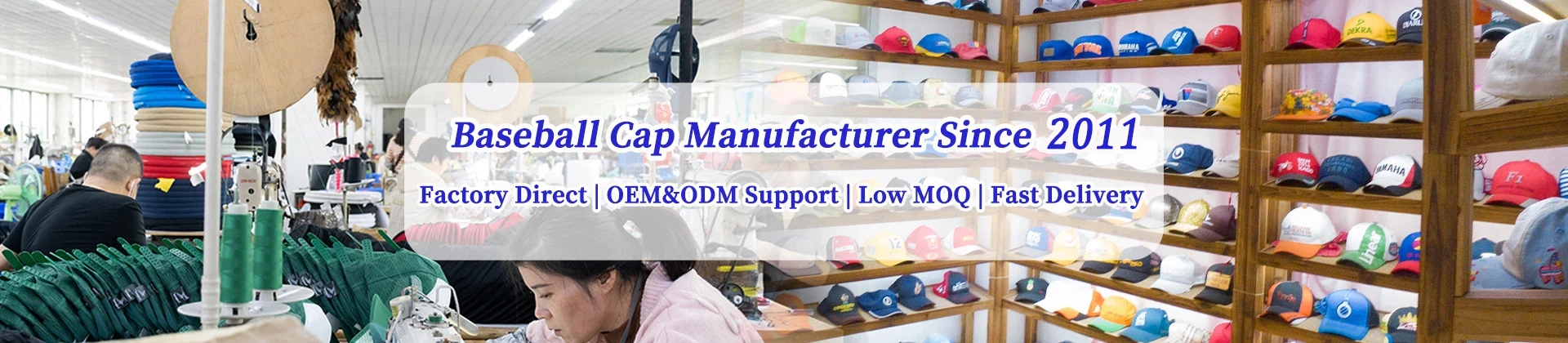

Starting a hat brand or adding custom headwear to your product line requires more than just choosing a design. You need to understand how to get hats manufactured, how to select a reliable custom hat manufacturer, and how to control quality, cost, and production timelines.
As an experienced hat manufacturer, OEM hat supplier, and factory in China, Wanjia Hat Factory helps global brands, wholesalers, and businesses develop custom hats with professional manufacturing solutions. From fabric selection and logo embroidery to packaging and bulk production, a reliable manufacturing partner can turn your idea into a market-ready product.
Many buyers face the same challenges:
- How do I find a trustworthy hat factory?
- What information should I prepare before requesting a quote?
- How much does custom hat manufacturing cost?
- How can I avoid quality problems during mass production?
This guide explains the complete process of how to manufacture custom hats, from the first idea to final delivery.
Define Your Hat Product Before Contacting a Manufacturer
Before searching for a hat supplier, you need a clear product concept. Many first-time buyers make the mistake of contacting factories with only a logo or a simple picture.
A professional manufacturer needs more details.
Determine Your Hat Style
Different hat styles require different production techniques.
Common custom hat categories include:
| Hat Style | Popular Applications |
|---|---|
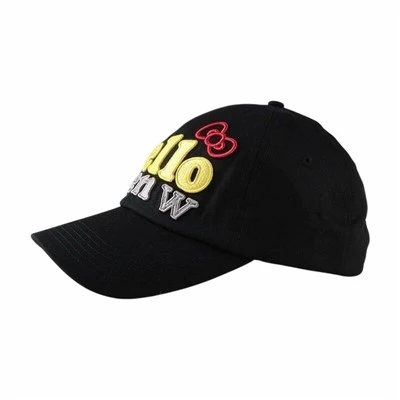
| Baseball Caps | Sports brands, fashion brands, promotional products |
| Dad Hats | Casual lifestyle brands |
| Snapback Hats | Streetwear and urban fashion |
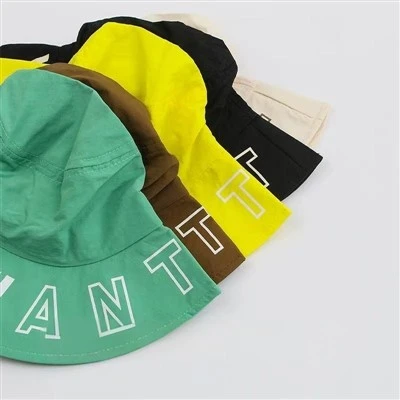
| Bucket Hats | Outdoor, summer fashion, fishing brands |
| Trucker Hats | Outdoor brands and workwear |
| Visors | Golf, tennis, running brands |
| Beanies | Winter apparel collections |
Each style has different construction methods, materials, and costs.
For example:
A structured baseball cap requires a firm front panel with reinforcement materials.
An unstructured dad hat needs a softer crown construction.
A bucket hat may require different brim stiffness depending on whether it is designed for fashion or outdoor protection.

Prepare Your Custom Hat Specifications
The more detailed your requirements are, the faster a factory can provide an accurate quotation.
A professional hat specification sheet usually includes:
1. Material
Common materials include:
- 100% cotton twill
- Polyester
- Nylon
- Organic cotton
- Denim
- Mesh fabric
- Recycled materials
Material selection affects:
- Appearance
- Comfort
- Durability
- Production cost
For example, cotton hats provide a natural premium feeling, while polyester hats are often preferred for sports and outdoor products because they are lightweight and quick-drying.
2. Hat Construction
Important construction details include:
- Number of panels
- Crown height
- Brim shape
- Closure type
- Sweatband material
- Inner tape
- Reinforcement method
Example:
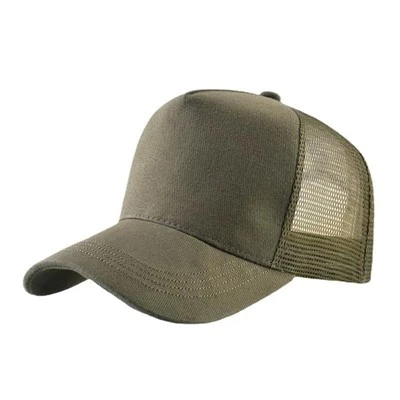
A premium 6-panel baseball cap may include:
6-panel crown construction
Embroidered logo
Metal buckle closure
Cotton sweatband
Custom woven label
3. Logo and Decoration Method
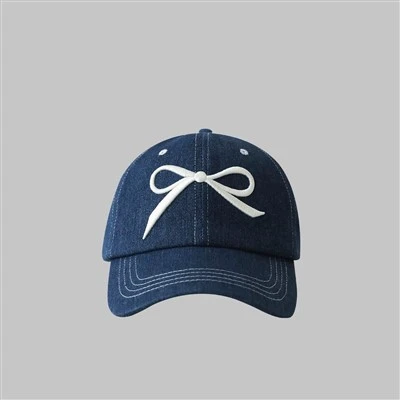
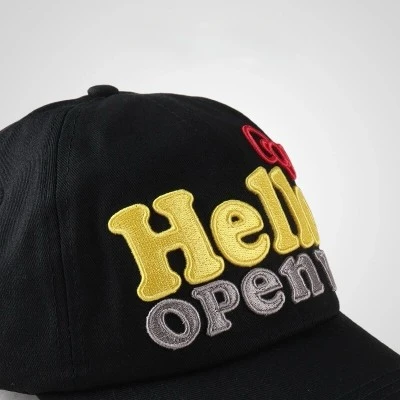
Your logo application directly affects both appearance and pricing.
Common customization methods:
Best for:
Luxury brands
Premium baseball caps
Streetwear products
Advantages:
Long-lasting
High-end appearance
Professional texture
Best for:
Simple graphics
Large color areas
Best for:
Polyester hats
Full-color designs
All-over printing
Popular for:
Brand identity
Private label products
Find a Reliable Custom Hat Manufacturer
Choosing the right supplier is one of the most important decisions in hat production.
A good factory should provide:
Manufacturing Experience
Look for manufacturers that understand:
Hat construction
Fabric behavior
Embroidery techniques
Quality control
International export requirements
A factory with years of OEM experience can usually identify production problems before they happen.
Factory Capability
Before placing an order, ask:
- Do you manufacture hats in-house?
- What production equipment do you have?
- Can you produce samples?
- What is your MOQ?
- Do you support private label services?
A real hat factory should be able to explain the complete production process:
- Material preparation
- Cutting
- Sewing
- Logo application
- Finishing
- Quality inspection
- Packaging
Request Samples Before Bulk Production
One of the biggest mistakes buyers make is ordering large quantities without testing samples.
A professional sample allows you to check:
- Fabric quality
- Color accuracy
- Logo position
- Embroidery quality
- Hat shape
- Wearing comfort
Recommended Sample Process
Provide:
Logo files
Reference images
Technical drawings
Color requirements
The factory develops a physical sample based on your requirements.
You can request adjustments:
Change fabric
Adjust embroidery size
Modify brim shape
Improve fitting
Only after approval should bulk manufacturing begin.
Understand MOQ, Pricing, and Production Costs
One common question buyers ask is:
"How much does it cost to manufacture custom hats?"
The answer depends on several factors.
| Cost Factor | Impact on Price |
|---|---|
| Quantity | Larger orders reduce unit cost |
| Material | Premium fabrics increase cost |
| Logo method | Embroidery costs more than simple printing |
| Hat structure | Complex designs require more labor |
| Packaging | Custom packaging increases cost |
| Shipping method | Air shipping costs more than sea freight |
Typical factors affecting MOQ:
- Fabric availability
- Color quantity
- Manufacturing complexity
- Custom accessories
Many Chinese hat factories can support small trial orders, but larger production runs usually provide better pricing.
Understand the Complete Hat Manufacturing Process
Knowing the custom hat manufacturing process helps buyers communicate better with factories and avoid unexpected problems.
A professional OEM hat factory usually follows these production steps:
Step 1: Design Confirmation
The manufacturer reviews:
Hat style
Technical specifications
Logo artwork
Materials
Color requirements
Packaging needs
At this stage, the factory identifies possible production challenges.
For example:
A logo with very small details may not work well with embroidery.
A lightweight fabric may require additional reinforcement to maintain shape.
Professional advice during this stage can save time and money.
Step 2: Material Sourcing and Testing
After confirming the design, the factory prepares materials.
This includes:
Fabric selection
Color matching
Accessories preparation
Thread selection
Labels and packaging materials
For international brands, material consistency is very important.
A reliable manufacturer should keep production standards consistent between samples and bulk orders.
Step 3: Cutting and Sewing
Hat panels are cut according to patterns.
The sewing process includes:
Joining crown panels
Attaching sweatbands
Installing closures
Adding reinforcement materials
Sewing visors and brims
The precision of sewing directly affects:
Hat shape
Comfort
Durability
Poor stitching can cause:
Uneven panels
Loose threads
Deformed crowns
Step 4: Logo Application
After the hat structure is prepared, customization is added.
Common processes include:
Steps:
Convert logo into embroidery file
Test embroidery density
Adjust thread colors
Complete machine embroidery
Steps:
Prepare printing artwork
Test color accuracy
Apply printing
Dry and inspect
A professional factory will check logo placement carefully because even a few millimeters of difference can affect the final appearance.
Step 5: Quality Inspection
Before shipment, hats should pass quality control.
A complete inspection checks:
Stitching quality
Logo accuracy
Fabric defects
Color consistency
Size measurement
Packaging condition
For brands, quality problems can damage customer trust and increase return costs.
Working with a factory that has a clear QC process reduces these risks.
How Much Does It Cost to Manufacture Custom Hats?
The cost of manufacturing hats varies depending on your product requirements.
There is no fixed price because every custom project is different.
A basic calculation usually includes:
Hat Material Cost + Labor Cost + Decoration Cost + Packaging Cost + Shipping Cost
Example Cost Factors
| Item | Cost Influence |
|---|---|
| Basic cotton baseball cap | Lower production cost |
| Premium organic cotton cap | Higher material cost |
| 3D embroidery logo | Higher decoration cost |
| Custom woven label | Additional accessory cost |
| Individual retail packaging | Higher packaging cost |
For example:
A simple embroidered baseball cap may have a different price compared with a premium streetwear cap using:
- Heavyweight fabric
- Custom metal accessories
- Multiple embroidery locations
- Special packaging
How to Reduce Manufacturing Costs
Brands can control costs by:
1. Increasing Order Quantity
Larger production volumes usually reduce:
Material waste
Labor cost per unit
Setup cost allocation
2. Simplifying Design
Complex designs increase production time.
Examples:
Higher cost:
Multiple embroidery locations
Special fabrics
Custom hardware
Lower cost:
Standard fabric
Single logo embroidery
Regular packaging
3. Choosing the Right Manufacturing Partner
The cheapest supplier is not always the best choice.
A low price may create hidden costs:
Poor quality
Delayed delivery
Reproduction problems
A reliable OEM factory focuses on total value:
Quality + Communication + Delivery + Price
Latest Trends in Custom Hat Manufacturing
The global headwear market continues to grow as hats become more than functional accessories. They are now important branding products for fashion, sports, and lifestyle companies.
Several trends are influencing how brands develop custom hats.
Trend 1: Sustainable Materials
More brands are requesting:
- Organic cotton
- Recycled polyester
- Environmentally friendly packaging
Consumers increasingly care about how products are made.
For brands targeting Europe and North America, sustainable materials can become a strong selling point.
Trend 2: Small-Batch Brand Development
In the past, many factories focused mainly on large wholesale orders.
Today, many new brands start with smaller quantities to test the market.
A flexible manufacturer can support:
- Prototype development
- Small trial production
- Product improvements
- Scalable manufacturing
This reduces risk for startup brands.
Trend 3: More Personalized Designs
Modern customers prefer unique products.
Popular customization options include:
Custom embroidery
Woven brand labels
Unique color combinations
Limited edition designs
Personalized packaging
Brands are using hats not only as products but also as marketing tools.
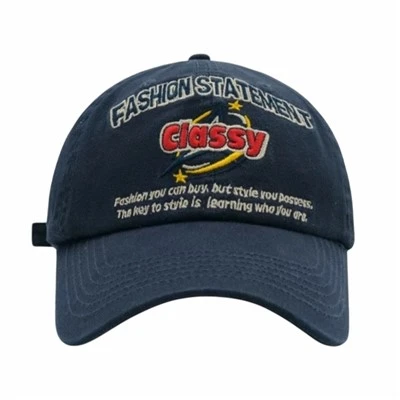
Real Example: How a Brand Develops Custom Hats Successfully
A common successful workflow looks like this:
Stage 1: Brand Concept
A clothing company wants to launch a premium outdoor hat collection.
They prepare:
Brand logo
Target customer
Reference designs
Stage 2: Factory Consultation
The manufacturer recommends:
Water-resistant nylon fabric
Breathable mesh panels
Embroidered logo
Adjustable closure
The factory improves the design based on production experience.
Stage 3: Sample Development
The brand receives samples and checks:
Fit
Appearance
Function
After adjustments, the final sample is approved.
Stage 4: Bulk Production
The factory produces:
Confirmed materials
Approved colors
Final logo version
Quality inspection is performed before shipping.
This process helps brands avoid expensive mistakes and creates a stronger final product.
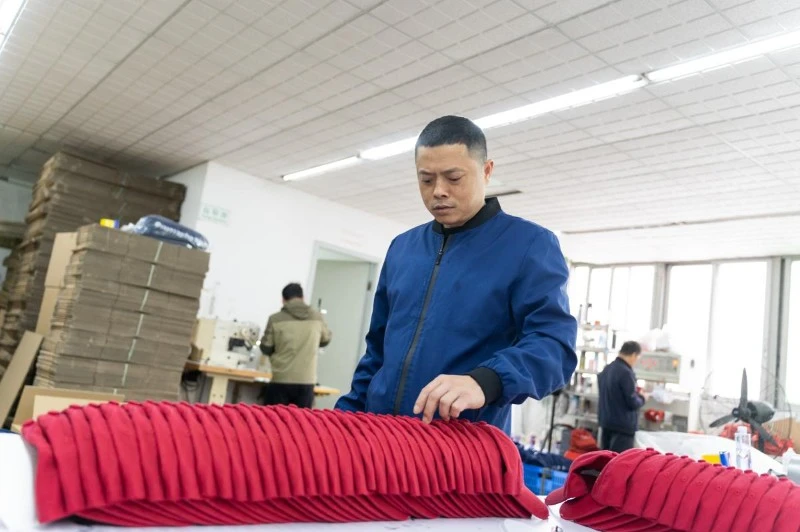
Expert Checklist: Before Choosing a Hat Manufacturer
Before placing an order, ask these questions:
About the Factory
✔ How many years have you manufactured hats?
✔ Do you produce in your own factory?
✔ Can you provide previous OEM examples?
✔ What quality control process do you use?
About Production
✔ What is your MOQ?
✔ What is your sample lead time?
✔ How long does bulk production take?
✔ Can you handle custom packaging?
About Communication
✔ Can you provide professional recommendations?
✔ Do you understand international quality standards?
✔ Can you provide production updates?
A strong manufacturing partner should act as more than a supplier.
They should become a product development partner who helps improve your idea.
Why Choose Wanjia Hat Factory as Your OEM Hat Manufacturer?
Wanjia Hat Factory specializes in custom hat manufacturing for global brands, wholesalers, and businesses.
Our OEM services include:
Custom baseball caps
Bucket hats
Trucker hats
Dad hats
Sports visors
Private label hat production
We support the complete process:
Design → Sample Development → Production → Quality Control → Packaging → Shipping
With professional experience in embroidery, printing, custom labels, and different hat constructions, we help customers create reliable headwear products for international markets.
Whether you are launching a new brand or expanding an existing collection, choosing the right manufacturing partner is the first step toward successful hat production.

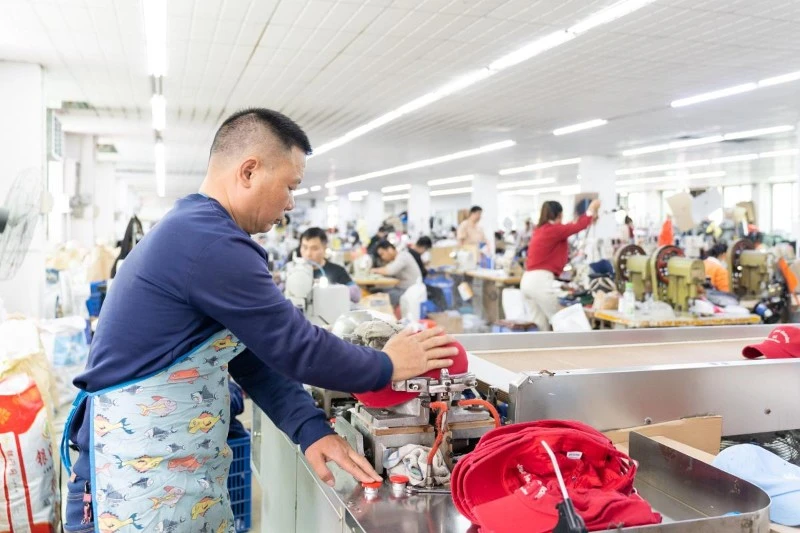
FAQ
Q: 1. How Do I Find A Reliable Custom Hat Manufacturer?
A: Look for a manufacturer with proven OEM experience, production capability, quality control procedures, and experience exporting to international markets. Always request samples before placing bulk orders.
Q: 2. What Information Should I Provide When Ordering Custom Hats?
A: You should provide:
Hat style
Quantity
Material requirements
Logo artwork
Color preferences
Packaging requirements
The more details you provide, the more accurate the quotation will be.
Q: 3. What Is The Minimum Order Quantity For Custom Hats?
A: MOQ depends on the factory, design complexity, materials, and customization requirements. Many manufacturers can support small trial orders, while larger quantities usually offer better pricing.
Q: 4. How Long Does It Take To Manufacture Custom Hats?
A: Production time depends on design approval, sample confirmation, and order quantity. Generally, sample development may take several days to weeks, while bulk production usually requires several weeks after approval.
Q: 5. Can I Manufacture Hats With My Own Logo And Packaging?
A: Yes. Professional OEM hat factories can provide private label services, including:
Custom embroidery
Woven labels
Hang tags
Custom packaging
Brand-specific designs
Q: 6. Should I Order Samples Before Mass Production?
A: Yes. Samples allow you to verify quality, sizing, materials, and logo placement before committing to a large production order.
References
International Trade Centre (ITC) – Trade and Market Information
https://www.intracen.org/
Textile Exchange – Sustainable Textile Materials and Industry Reports
https://textileexchange.org/
American Apparel & Footwear Association (AAFA) – Apparel Industry Information
https://www.aafaglobal.org/
International Organization for Standardization (ISO) – Quality Management Standards
https://www.iso.org/
World Trade Organization (WTO) – Global Trade Information
https://www.wto.org/