

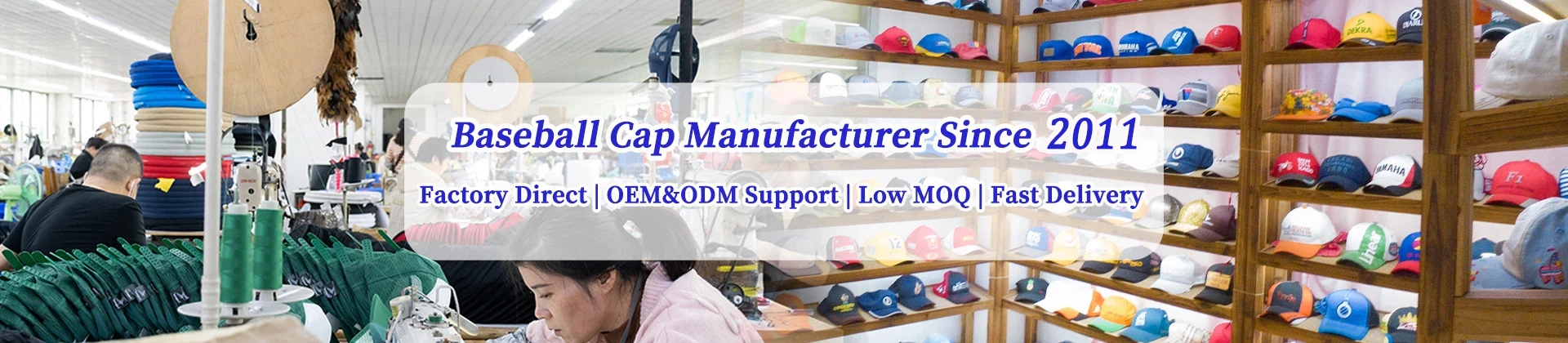
This article will provide a detailed overview of the hat production process, giving you a better understanding of how each hat is crafted from design to finished product.
1. Raw Material Selection
Fabric: Common hat fabrics include cotton, polyester, wool, linen, and nylon.
Brim and Lining: Brims are commonly made of plastic, cardboard, and metal, while linings are typically made of breathable and comfortable fabrics such as cotton or polyester.
Decorative Materials: These include embroidery thread, logo stickers, and zippers. These accessories not only impact the hat's appearance but also enhance its uniqueness and brand value.
2. Design and Sample Production
During the design phase, designers will determine the overall shape, color, and details of the hat based on market demand, brand style, and target customer base.
Color Selection: Fashion trends, seasonal changes, and brand positioning may influence color selection.
Style Design: Based on the needs of the target market, designers will consider hat styles such as baseball caps, bucket hats, and berets.
Sample Production: After the design is finalized, the manufacturer will produce sample hats to ensure feasibility and comfort.
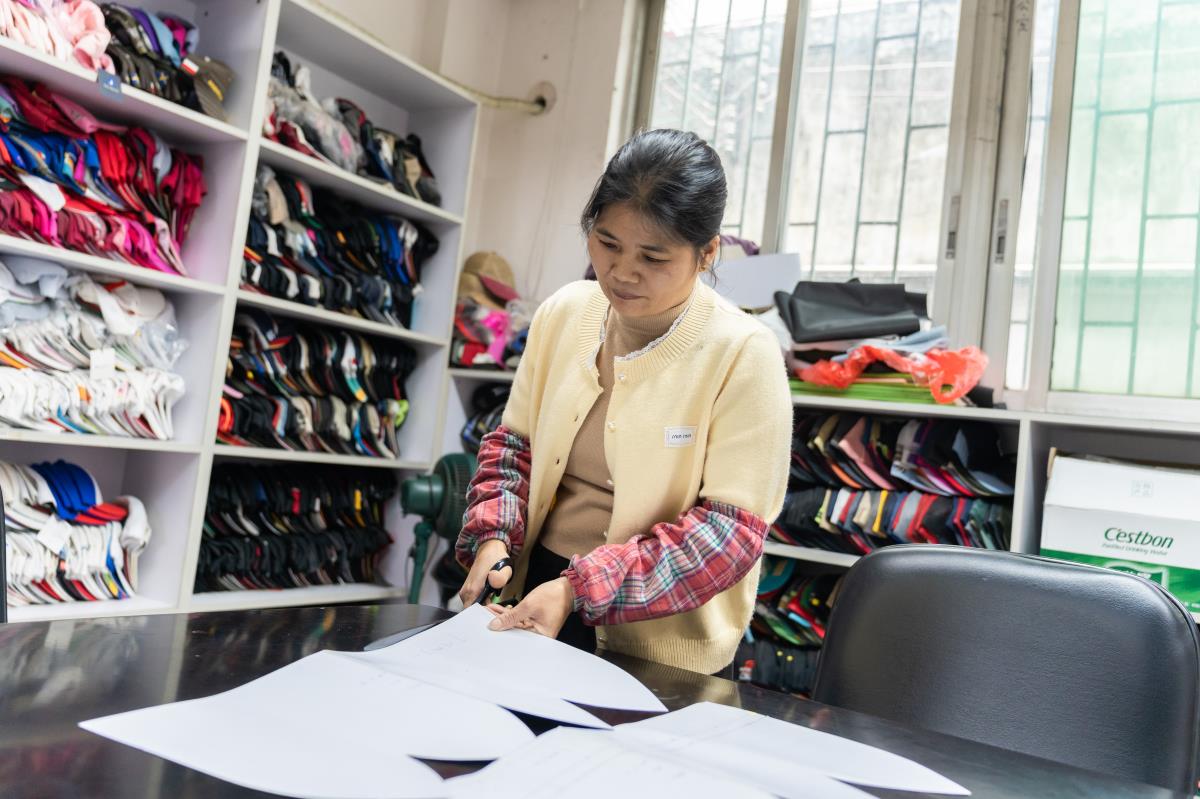
3. Hat Fabric Cutting
The factory cuts the fabric into the desired shape and size according to the design drawings. This cutting process requires precision to ensure the correct dimensions of each component and avoid production problems.
Fabric Sewing: Different hat parts, such as the crown, brim, and lining, are cut from separate pieces of fabric.
Printing and Embroidery: Printing methods include screen printing and heat transfer, while embroidery is performed using a specialized embroidery machine.
4. Hat Sewing
Once all fabrics have been cut, the next step is sewing. Sewing is a core part of hat production, ensuring the hat's sturdiness and comfort.
Crown Sewing: The top and sides of the hat are sewn together to form the basic frame.
Brim Attachment: The brim is typically attached to the crown using a more rigid material, such as plastic or metal.
Lining Sewing: The lining enhances comfort and prevents the discomfort of direct contact with the head.
5. Hat Shaping and Forming
After sewing, hats typically have a relatively loose structure. Shaping and forming ensures the hat achieves the desired appearance and comfort.
Steam Setting: Steaming strengthens the hat, further defining the curvature of the brim and the shape of the crown.
Cooling and Curing: After steam setting, the hat cools to ensure it maintains its fixed shape.
6. Quality Inspection
Strict quality inspections are conducted at every stage of hat production to ensure that every hat meets standards. Quality inspections include the following:
Fabric and Embroidery Inspection: Checks the texture of the fabric and the clarity of the embroidery pattern to ensure there are no defects or omissions.
Sizing and Sewing Inspection: Checks that the hat's size meets the design requirements, that the seams are secure, and that the brim is properly secured.
Functionality Inspection: Additional testing may be required to meet functional requirements such as waterproofness and breathability.
7. Packaging and Shipping
Hats that pass quality inspections are then packaged. Packaging typically involves packaging hats into batches of boxes or bags and labeling them to ensure each customer receives exactly what they ordered.
Batch Packaging: Hats are packaged in batches based on order quantity to ensure safety during transportation.
Final Inspection: Before packaging, a final inspection is performed to ensure each hat is free of damage and meets order specifications.
If you have any questions about hat production or require custom hats, please feel free to contact us. We offer a one-stop hat customization service to help you create a unique brand image.