

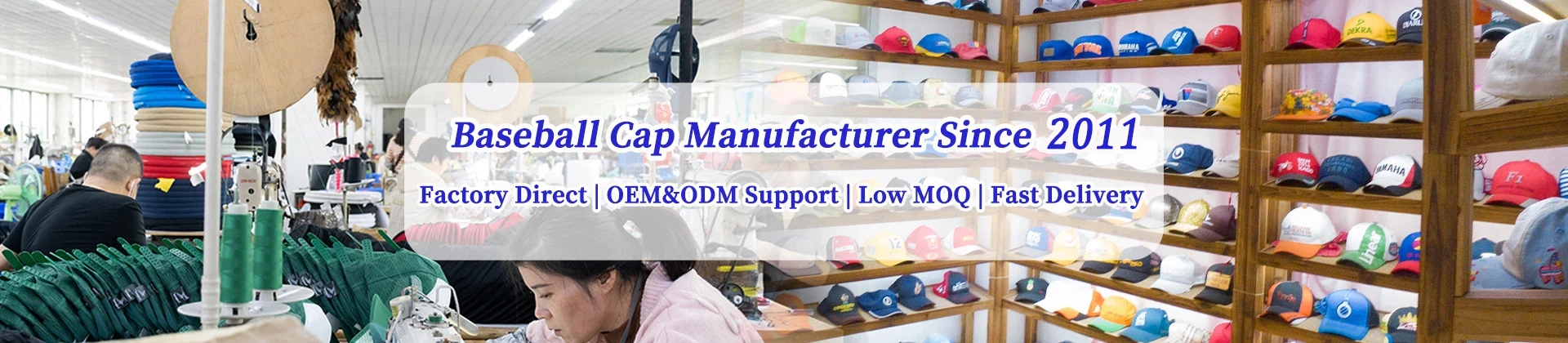
Choosing a reliable Chinese beret manufacturer is not just a purchasing decision, but a long-term supply chain decision that directly impacts product quality, brand reputation, and customer satisfaction.
In the global headwear market, China, with its well-developed manufacturing system, stable production capacity, and mature export experience, has become one of the most important beret production bases.
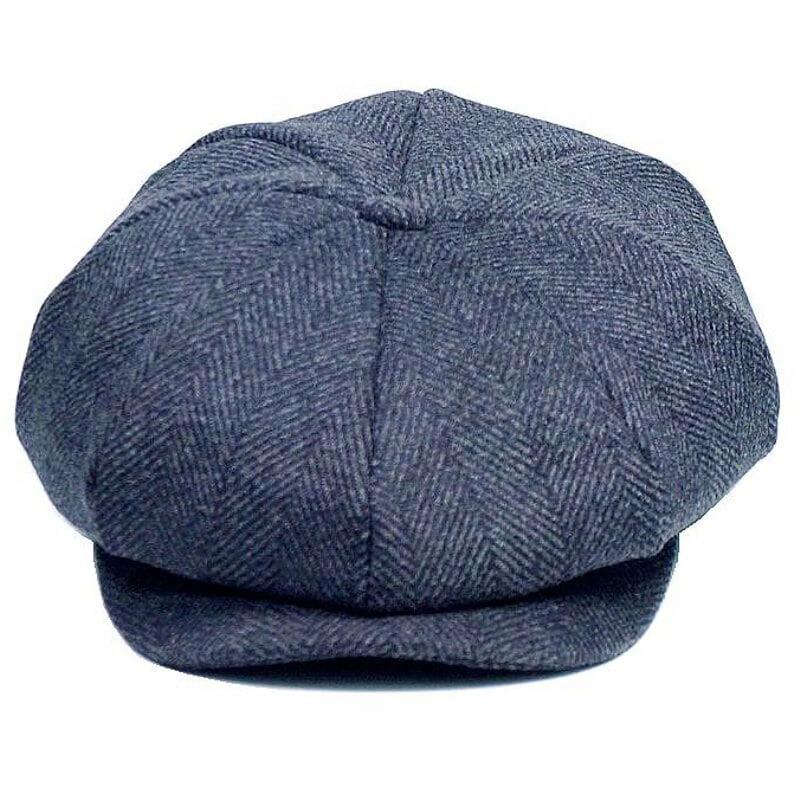
Vintage Beret Hat
Material: Polyester (customizable)
Target audience: Men and women
Size: Standard adult size
MOQ: 200
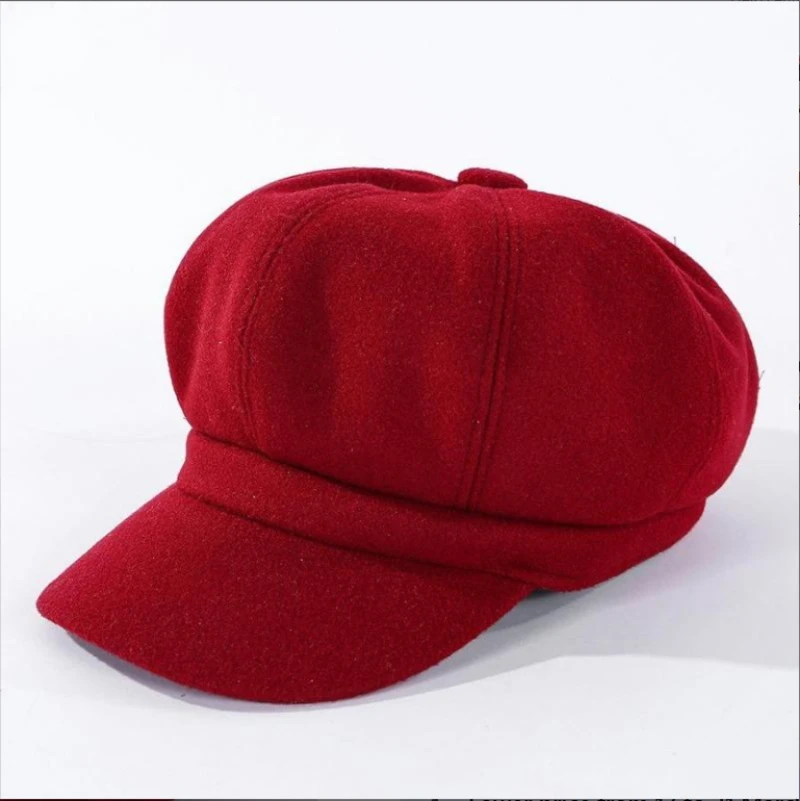
Soft Beret Style Hat Women's
Color: Red (Customizable)
Customization: OEM/ODM
Size: Standard Adult Size
Minimum Order Quantity: 200 pieces
What Makes a True Chinese Berets Manufacturer?
A true beret manufacturer is a factory that can directly control the entire production process, from raw material selection to the final product. This includes fabric sourcing, cutting, sewing, shaping, finishing, quality inspection, and packaging.
In China's headwear industry, suppliers are generally divided into two categories: One is actual manufacturing factories with their own production lines and equipment; the other is trading companies that outsource production to different factories but do not directly participate in production control.
The difference between these two is crucial. Factories can maintain stable production standards for large-volume orders, while trading companies, relying on multiple uncertain production sources, often struggle to guarantee consistent quality.
Why is China the Manufacturing Hub for Berets?
China's status as a major production base for berets and other headwear is primarily due to its highly mature textile and apparel supply chain. Most materials, including wool blends, polyester fibers, linings, and accessories, can be sourced domestically, significantly improving production efficiency and effectively controlling costs.
Another key advantage is the flexibility of production scale. Chinese factories can handle both small-batch custom orders and large-scale wholesale production while maintaining product consistency.
Furthermore, Chinese manufacturers possess extensive export experience. Many factories have long served the European, North American, Middle Eastern, and South American markets, and are familiar with international quality standards, labeling regulations, and packaging requirements.
Key Factors for Choosing a Chinese Beret Manufacturer
A qualified factory should have stable production lines, skilled workers, and standardized cutting, sewing, shaping, and finishing processes.
Material control is equally crucial. High-quality berets typically use wool, wool blends, or high-end synthetic fabrics. Reliable manufacturers should be able to provide a stable supply of fabrics and offer material specifications when needed.
Customization capabilities are also an important consideration. Many international buyers require OEM or ODM services, including embroidered logos, custom labels, color matching, and packaging design. A true manufacturer should be able to provide complete support from concept development to final production, not just produce existing styles.
How to Really Assess Manufacturing Quality
In a real factory environment, quality inspection is not the last step, but rather an ongoing process throughout production.
Fabric inspection ensures color consistency, thickness, and texture meet standards; cutting precision affects the symmetry and shape of the finished product; sewing quality determines durability and appearance; and shaping processes ensure consistent construction for each beret.
Professional factories also conduct a final inspection before packaging, including dimensional tolerances, stitching defects, color differences, and overall appearance, ensuring consistent quality in bulk orders.
The Importance of OEM vs. ODM Capabilities
OEM production allows clients to incorporate their own brand elements, such as embroidered logos, woven labels, and custom packaging.
ODM services further support product design and development based on client ideas or market trends.
Excellent manufacturers should be able to translate concepts into physical samples, optimize based on feedback, and ultimately move to mass production. This development capability is a key differentiator between ordinary factories and long-term partners.
Minimum Order Quantity (MOQ), Sampling, and Production Flexibility
Minimum Order Quantity (MOQ) is a crucial factor when selecting a supplier. Some factories only accept large-scale orders, while others support small batches, suitable for new brands or market testing.
Professional beret manufacturers should offer sampling services before mass production. Samples allow buyers to evaluate fabrics, patterns, workmanship, and overall design, significantly reducing the risks of international sourcing.
Production flexibility is equally important. The ability to support production of multiple colors, styles, or seasonal collections helps brands better adapt to market changes.
Conclusion
A reliable manufacturer is not just a supplier, but a long-term partner who supports brand growth through consistent quality, flexible customization, and continuous delivery capabilities.