

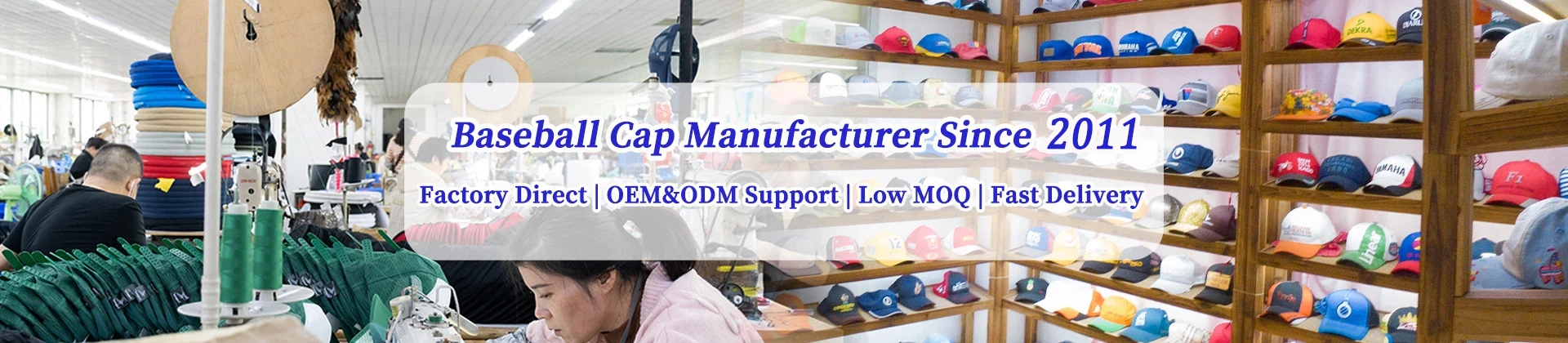
The real challenge in sourcing custom baseball caps is never choosing a style, but rather choosing the right supplier. For brands, wholesalers, e-commerce sellers, or project procurement, baseball caps are not just accessories; they represent a comprehensive reflection of brand image, wearing experience, and delivery stability. Choosing the wrong supplier often leads to a series of hidden problems, including inconsistent quality, delayed delivery, high communication costs, and difficulties in reordering.


1. How to Determine if a Custom Baseball Cap Supplier is a Source Factory?
The first step in choosing a custom baseball cap supplier is to ascertain whether they truly possess production capabilities. On the surface, many suppliers can provide style images, price lists, and samples, but only a genuine production factory has complete control over the cap's structure, craftsmanship, and delivery time.
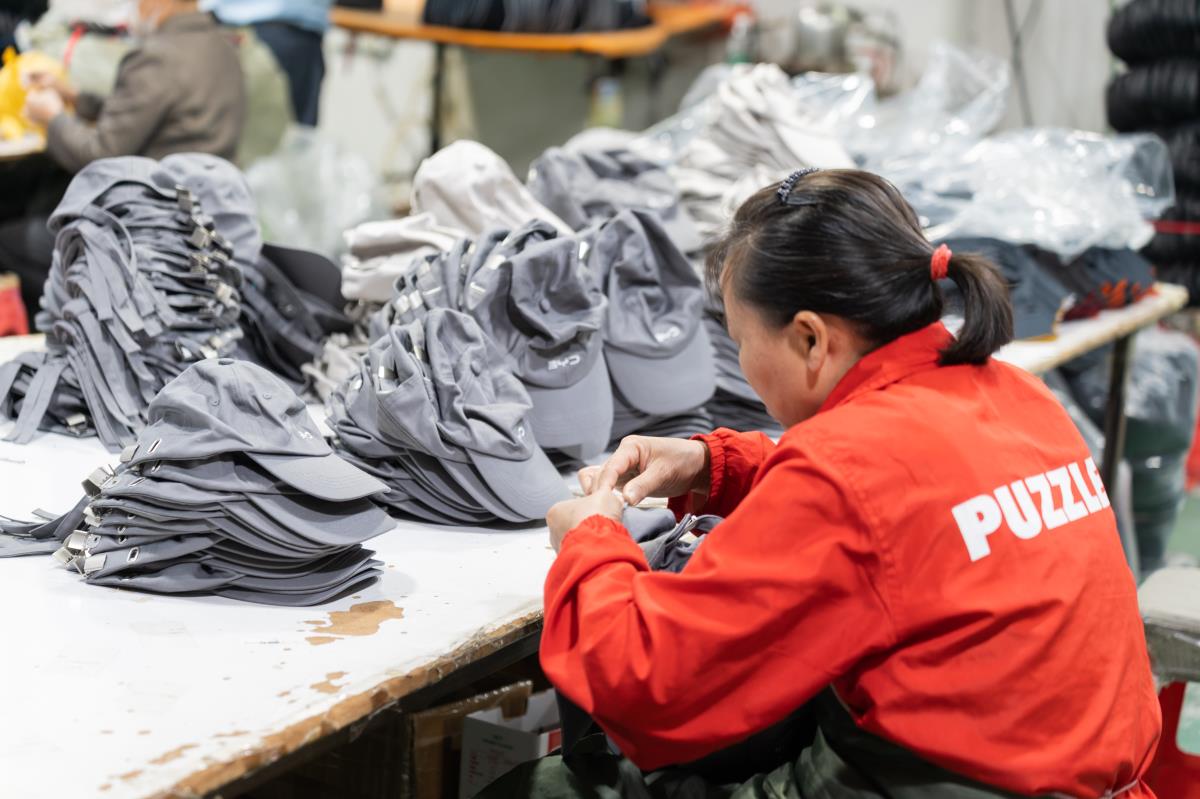
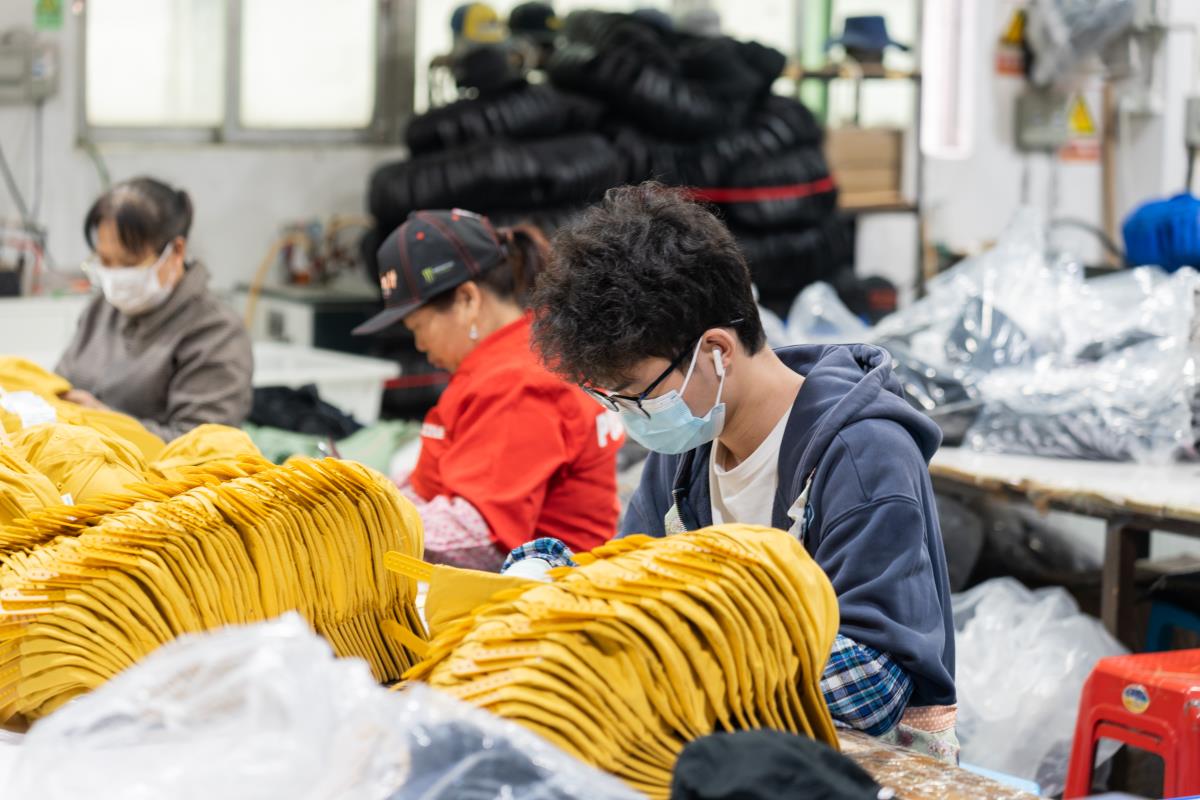
A genuine baseball cap factory has a stable production line, handling everything from cutting, sewing, embroidery, finishing touches, to packaging in-house. These suppliers, when faced with customization requests, don't just "transmit requirements" but can directly assess feasibility from a technological perspective and anticipate risks in advance.
From a long-term cooperation perspective, factories with years of experience in hat manufacturing often prioritize stable delivery and building a strong reputation. This is especially important for clients who need to continuously replenish orders and expand their SKUs.
2. What details can a reliable custom baseball cap supplier customize?
A reliable custom baseball cap supplier's customization capabilities go far beyond simply "printing a logo." A truly mature customization system should cover multiple dimensions, from style and structure to detailed configurations.
At the style level, can they support classic six-panel caps, five-panel caps, curved or flat brim structures, and adjust the cap depth to fit different head shapes? Regarding fabric selection, are they familiar with the actual wearing differences of commonly used materials such as cotton twill, polyester-cotton blends, mesh, and corduroy? In terms of craftsmanship, can they flexibly choose flat embroidery, 3D embroidery, appliqué embroidery, or combinations of special techniques based on brand positioning?
3. How can the quality of a baseball cap be judged?
Baseball caps are a typical example of a product where "details determine the experience." A truly reliable supplier will have clear and consistent standards for quality control.
In actual production, differences in hat quality often manifest in the evenness of stitching, the cleanliness of embroidered edges, the resilience of the brim, and the overall stability of the shape. These issues cannot be detected through a single random inspection but rely on standardized processes and inspection procedures established over a long production cycle.
4. Why is a supplier's communication ability so important when customizing baseball caps?
The process of customizing baseball caps is essentially a continuous process of communication and confirmation. A supplier's communication skills are often evident from the very beginning of a project.
A reliable supplier can accurately understand the design drawings, reference samples, or brand specifications provided by the client and proactively seek clarification on any unclear points, rather than simply executing vague instructions.
5. What qualities should a baseball cap supplier possess if long-term cooperation is required?
For most brands and buyers, customizing baseball caps is not a one-time purchase but requires continuous replenishment, style updates, and even expansion of the series. Therefore, the supplier's long-term cooperation value becomes particularly important.
A hat factory with stable production capacity and a mature management system can maintain reasonable delivery times even during peak seasons and support gradual scaling up from small-batch trial orders to large-scale production.
From a partnership perspective, truly reliable suppliers are more inclined to build long-term mutual trust rather than focusing solely on the profit from a single order.
In summary
choosing a reliable custom baseball cap supplier is not about finding the "lowest price" option, but rather about finding a long-term partner who truly understands the product, manufacturing, and collaboration. Through a systematic evaluation of production background, customization depth, quality system, communication capabilities, and collaborative philosophy, buyers can often significantly reduce trial-and-error costs and establish more robust supply chain relationships.