


Spending time outdoors can be enjoyable, but long exposure to sunlight means your skin is constantly exposed to ultraviolet (UV) rays. Many people use sunscreen, sunglasses, and protective clothing, but a question often remains: do UV protection bucket hats really protect your skin?
The answer is yes, but not every bucket hat provides the same level of protection. A hat's effectiveness depends on several factors, including fabric quality, UPF rating, brim coverage, material thickness, and overall design.
A properly designed UV protection bucket hat can reduce direct sunlight exposure on areas such as the face, ears, and neck. This makes it a practical choice for outdoor activities including hiking, fishing, gardening, camping, traveling, and beach holidays.
However, understanding what makes a bucket hat truly effective is important before choosing one. A fashionable bucket hat and a functional sun protection bucket hat may look similar, but their performance can be very different.
How Do UV Protection Bucket Hats Work?
The main purpose of a UV protection bucket hat is to create a physical barrier between your skin and sunlight. Unlike sunscreen, which is applied directly to the skin, a hat provides shade and reduces the amount of direct UV radiation reaching exposed areas.
There are three important factors that influence how well a bucket hat protects against the sun.
1. Brim Coverage and Hat Design
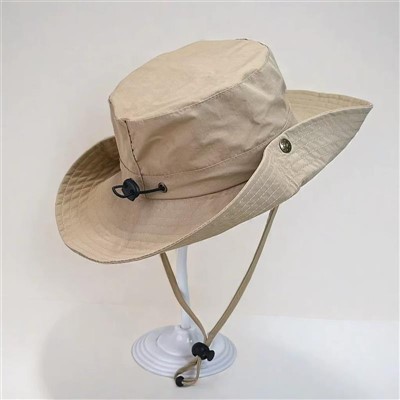
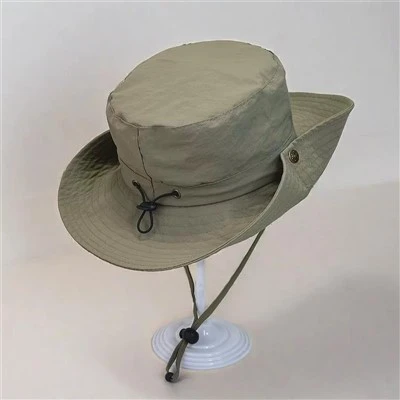
One of the biggest advantages of a bucket hat is its circular brim design.
Unlike a baseball cap, which mainly protects the forehead and eyes, a bucket hat provides coverage from multiple directions. The downward-facing brim helps shade:
Forehead
Ears
Side of the face
Part of the neck
This makes bucket hats especially useful for activities where people spend several hours outdoors.
For example, someone fishing on a lake, hiking on an open trail, or relaxing at the beach may experience sunlight from different angles throughout the day. A wider brim helps reduce direct exposure compared with a traditional cap.
However, a larger brim is not always better for every situation. Very wide brims may feel less convenient during activities that require quick movement or better visibility. The right choice depends on how and where you plan to use the hat.
2. Understanding UPF Ratings
When shopping for sun protective clothing, you may see the term UPF.
UPF stands for Ultraviolet Protection Factor, which measures how much UV radiation can pass through fabric.
For example:
UPF 30 blocks a significant amount of UV radiation
UPF 50+ provides a higher level of protection
A UV protection bucket hat with a tested UPF rating offers more reliable sun protection than a standard fashion hat.
It is important to understand that color alone does not determine UV protection. A dark-colored hat is not automatically better than a light-colored hat. Fabric construction, weaving density, and special UV treatments have a much greater impact.
3. Choosing the Right Fabric
The material used in a bucket hat affects comfort, durability, and outdoor performance.
Polyester Bucket Hats
Polyester is commonly used for outdoor bucket hats because it is:
Lightweight
Durable
Quick drying
Easy to maintain
This makes polyester bucket hats suitable for hiking, travel, fishing, and outdoor brands.
Nylon Bucket Hats
Nylon is another popular option for outdoor use.
Benefits include:
Water resistance
Lightweight construction
Fast drying performance
Nylon bucket hats are often chosen for travel products because they can handle changing weather conditions.
Cotton Bucket Hats
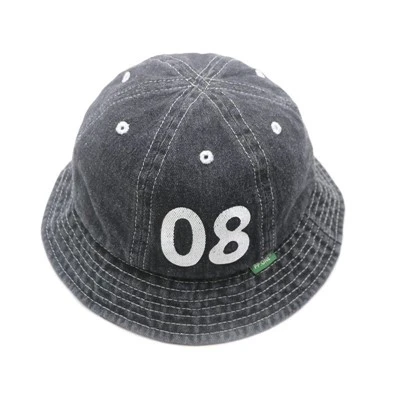
Cotton provides a soft and comfortable wearing experience. It is popular for casual fashion and lifestyle products.
However, standard cotton does not automatically mean strong UV protection. The level of protection depends on fabric thickness, weave structure, and whether additional UV treatment is applied.
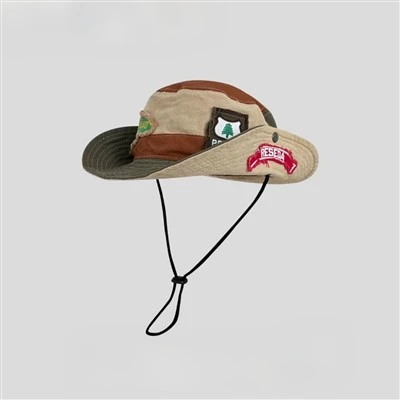
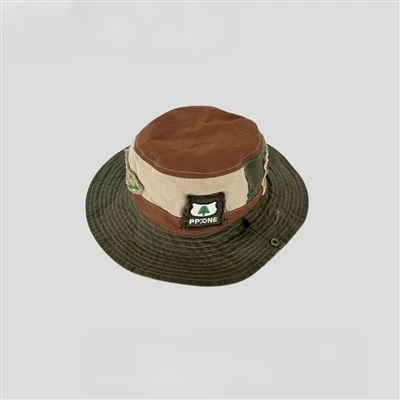
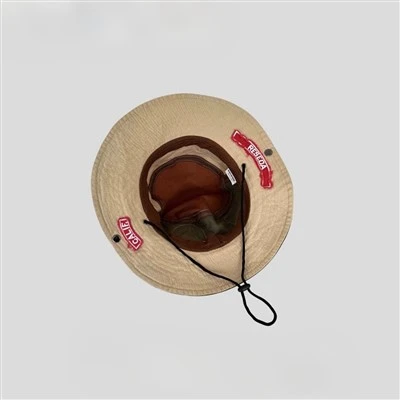
UV Protection Bucket Hats vs Regular Bucket Hats
Many consumers assume all bucket hats provide sun protection, but this is not always true.
A regular bucket hat is usually designed mainly for style and everyday fashion. A UV protection bucket hat focuses more on outdoor performance.
The differences often include:
| Feature | UV Protection Bucket Hat | Regular Bucket Hat |
|---|---|---|
| UV Protection | Designed for sun exposure | Depends on fabric |
| Fabric | Often treated or specially selected | Mainly fashion focused |
| Brim Design | Usually optimized for coverage | Different styles available |
| Outdoor Performance | Better suited | Depends on construction |
| Activities | Hiking, fishing, travel | Casual wear |
If you are buying a hat mainly for appearance, a regular bucket hat may be enough. If you spend long periods outdoors, a purpose-built UV protection bucket hat is usually the better choice.
Are Bucket Hats Better Than Baseball Caps for Sun Protection?
Both bucket hats and baseball caps have their advantages, but they serve different needs.
A bucket hat is usually better for sun protection because it provides more complete coverage. It protects areas that baseball caps often leave exposed, especially the ears and sides of the face.
Baseball caps are better suited for:
Running
Golf
Team sports
Everyday commuting
Their secure fit and forward-facing visor make them practical when movement and visibility are important.
Bucket hats are often preferred for:
Fishing
Hiking
Camping
Beach activities
Outdoor travel
The better option depends on your lifestyle. If your priority is maximum shade coverage, a bucket hat is usually the stronger choice.
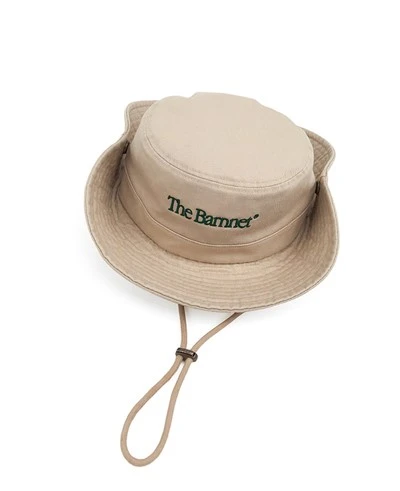
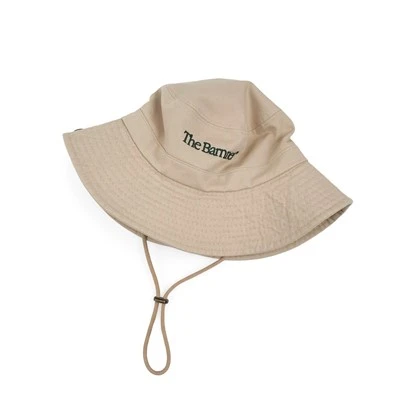
Best Activities for UV Protection Bucket Hats
Hiking and Camping
Outdoor adventures often involve several hours under direct sunlight. A lightweight bucket hat with breathable fabric and good coverage can improve comfort during long walks and camping trips.
Fishing and Boating
Water environments create additional sunlight exposure because light can reflect from the surface. A bucket hat with quick-drying fabric and a wide brim is a practical option for anglers and boat users.
Travel and Beach Holidays
Travelers often prefer bucket hats because many designs are easy to pack. Foldable styles can fit into backpacks or luggage while still providing useful sun protection.
Gardening and Outdoor Work
People who spend regular time outside can benefit from a comfortable hat that reduces direct sunlight exposure during daily activities.
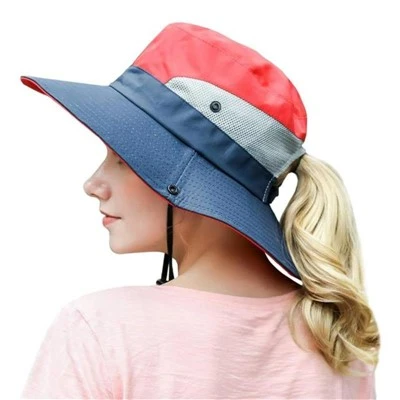

How to Choose the Right UV Protection Bucket Hat
Before purchasing, consider these factors:
Check the UPF Rating
If sun protection is your main goal, choose hats with clear UPF information.
Consider Brim Size
A wider brim usually provides more shade, while a smaller brim may offer better movement and visibility.
Choose the Right Material
Select fabric based on your activity:
Travel: lightweight nylon or polyester
Outdoor sports: quick-drying performance materials
Casual wear: cotton blends
Look for Comfort Features
Useful details include:
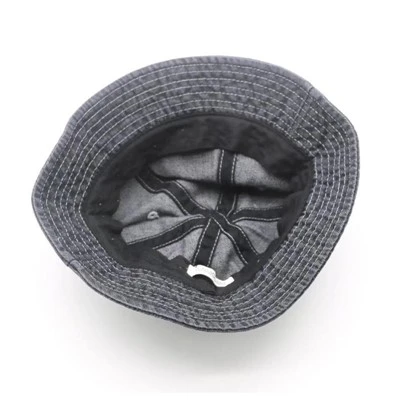
Breathable panels
Sweatbands
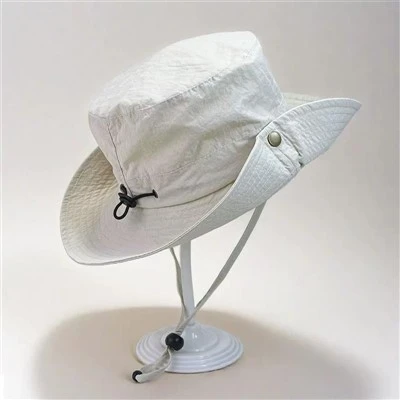
Adjustable chin cords
Lightweight construction
Comfort is important because the best sun protection only works when people actually wear the hat consistently.
Can UV Protection Bucket Hats Replace Sunscreen?
No. A UV protection bucket hat should be considered one part of a complete sun protection routine.
A hat protects covered areas, but it cannot protect skin that remains exposed, such as hands, arms, and shoulders.
For longer outdoor activities, a combination of:
UV protection hat
Sunscreen
Sunglasses
Protective clothing
provides more complete coverage.
Final Thoughts
UV protection bucket hats can provide meaningful protection when they are designed with the right materials, coverage, and construction. They are especially valuable for people who spend extended periods outdoors and need more coverage than traditional hats can provide.
The best bucket hat is not simply the one with the largest brim or most fashionable design. It should match your environment, activity, and comfort needs.
Whether you are hiking, fishing, traveling, or enjoying outdoor activities, choosing a properly designed UV protection bucket hat can make your time outside more comfortable while helping reduce unnecessary sun exposure.