

As a hat factory with 15 years of production experience, we have long manufactured hats of various materials for brands, e-commerce platforms, wholesalers, and gift companies, including bucket hats, baseball caps, visors, sun hats, and outdoor hats.
Through extensive production and testing experience, we understand the advantages of different materials and why some hats are comfortable to wear while others are stuffy, deformed, or don't fit snugly.
This article will provide a professional perspective, helping you understand the real-world experience, suitable users, and purchasing advice for common hat materials, helping you choose a truly "comfortable" hat whether for purchase or personal use.
 |
 |
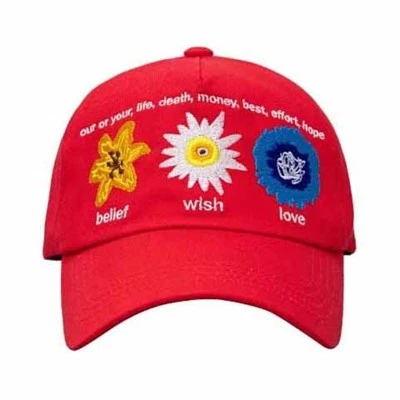
1. Pure Cotton
Pure cotton is the most common hat material. It's soft, skin-friendly, absorbent, and breathable, making it one of the most comfortable materials according to many users.
Advantages: Natural fiber, skin-friendly and non-irritating
Pure cotton fibers are naturally soft and won't cause itching or friction when in contact with the skin. It's less likely to cause allergies and is suitable for people with sensitive skin.
Excellent sweat absorption and breathability
Pure cotton can absorb 7%–10% of its own body weight in water, making it especially suitable for:
Summer outdoor activities
People who sweat easily
Sports, hiking, travel
It doesn't feel stuffy even after long periods of wear.
Natural feel
The natural curl of cotton fibers makes it fit the head shape better.
Suitable for most hat styles
Baseball caps, bucket hats, flat caps, visors, etc., can all be made of pure cotton.
Suitable for: Consumers with high comfort requirements, brands seeking quality, spring/summer styles, and trendy hats.
2. Polyester
Polyester is a synthetic fiber with high strength, abrasion resistance, and quick-drying properties, making it a common material for sports hats and outdoor hats.
Advantages: Lightweight material, comfortable to wear
Polyester fibers have a low density; many sports hats weigh only 50–70g.
Quick-drying and recovers quickly after sweating.
Dries faster than pure cotton, suitable for:
Running, Hiking, Cycling, Beach Activities
Durable and retains its shape well. Polyester maintains its shape well and is not easily deformed after washing, making it ideal for frequent daily use.
Can be combined with mesh fabric to improve breathability.
Common combination: Polyester cap body + mesh back panel. Especially commonly used in baseball caps, significantly improving heat dissipation.
Suitable for: Sports brands, outdoor hats, bulk promotional items, and products requiring wrinkle resistance and abrasion resistance.
3. Nylon
Nylon is a synthetic fiber with higher strength than polyester, commonly used in professional outdoor hats, bucket hats, and sun hats.
Advantages: Lightweight to the point of being imperceptible.
Nylon hats are generally lighter than polyester hats, making them more suitable for extended outdoor wear.
Excellent Waterproof Performance
Nylon fiber surfaces are easier to treat with a water-repellent (DWR) coating: Light rain won't wet you. Camping/rainforest friendly. Ideal for beach and lakeside use.
High Abrasion Resistance
Suitable for activities requiring high intensity: Hiking, Fishing, Fieldwork, Camping
More Cooling Fabric Options
Some nylon fabrics have a natural cooling effect, are breathable and quick-drying.
Suitable for: Professional outdoor brands, military and police gear, summer sun hats, bucket hats.
4. Canvas
Canvas is generally made of cotton or a cotton/polyester blend, with a thick fabric surface.
Advantages:
Sturdy and abrasion-resistant, with a strong three-dimensional shape.
Suitable for hats requiring a more structured look, such as: High-end bucket hats, work hoods, outdoor protective hats.
Natural feel, high-quality texture. Provides a more structured hat shape than thin cotton, and doesn't easily sag when worn.
Suitable for: Workwear brands, high-end trendy brands, autumn/winter bucket hats, and hats requiring a structured shape.
5. Wool/Cashmere
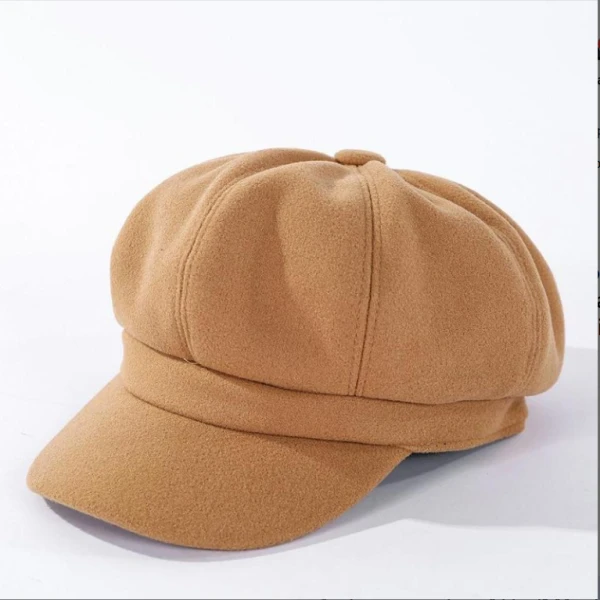
Wool is warm, soft, and naturally elastic, making it the top choice for autumn and winter hats.
Advantages:
Soft and skin-friendly, with excellent elasticity
Comfortable fit, neither too tight nor too loose.
Naturally strong warmth retention
Wool fibers have pores that trap air, making them far warmer than cotton and synthetic fibers.
High-end appearance and texture
Mostly used for:
High-end berets
Winter hats
Fashion brand autumn/winter collections
Suitable for:
Autumn/winter seasons, fashion brands, boutique retail, high-end collections.
 |
 |
6. Straw
Common straw materials: papyrus, wheat straw, abaca, etc.
Advantages:
Highest natural breathability
Straw hats have large natural pores, allowing for rapid airflow, making them the coolest hat material in summer.
Lightweight, suitable for travel
Suitable for beaches, outdoor activities, vacations, and summer leisure.
Suitable for:
Seaside, resort hotels, summer outdoor brands.
Which hat material is the most comfortable?
The answer is not singular, but depends on the usage scenario:
|
Scenario |
Most Comfortable Materials |
|
Daily Wear in Summer |
Cotton / Straw / Lightweight Nylon |
|
Outdoor Sports |
Polyester / Nylon |
|
Outdoor Adventure & Fishing |
Nylon (Water-resistant / Quick-dry) |
|
Travel |
Nylon / Polyester Mesh Caps |
|
Autumn & Winter Warmth |
Wool / Cashmere |
|
Streetwear & Premium Fashion Styles |
Cotton / Canvas |