

This article will provide a detailed analysis of key parameters, supplier selection methods, procurement processes, and considerations for women's baseball caps from a wholesale procurement perspective, helping buyers make sound purchasing decisions, reduce risks, and increase profit margins.
Core Parameters and Types of Women's Baseball Caps
Cap Structure
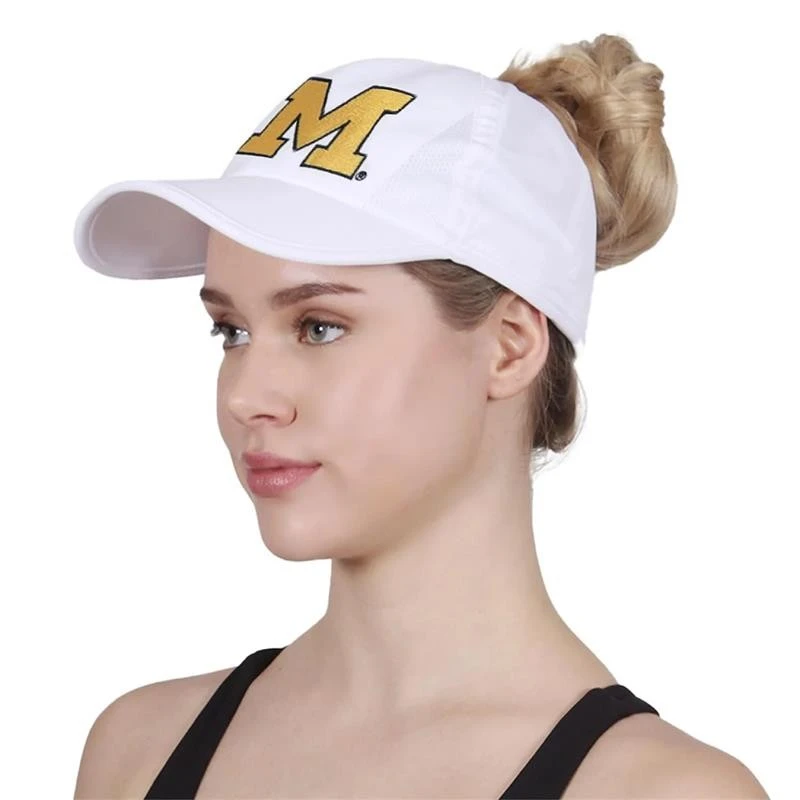
Women's baseball caps use a 6-panel or 5-panel design, with curved and flat brim options. The 6-panel design is suitable for standard casual wear, the curved brim provides sun protection, while the flat brim offers a more fashionable style.
Material Selection
Common materials include pure cotton, polyester, cotton-polyester blends, denim, and quick-drying sports fabrics. Cotton caps are breathable and comfortable, suitable for everyday casual wear; polyester is durable and water-resistant, suitable for outdoor activities; blends and denim are more suitable for trendy styles.
Brim and Back Design
The brim design directly affects sun protection and style. The back of the cap features an adjustable strap, including Velcro, plastic buckles, and fabric buckles, allowing for size adjustment to fit different head sizes. Adjustable designs also contribute to inventory versatility, reducing the pressure of purchasing different sizes.
Color and Decoration
Baseball caps can be decorated in various ways, including solid colors, embroidery, printing, and heat transfer. Embroidered logos or patterns are suitable for brand customization, increasing product added value.
Key Factors in Choosing a Women's Baseball Cap Supplier
Production Experience and Qualifications
Prioritize factories with many years of production experience and relevant certifications (ISO9001, OEKO-TEX, etc.) to ensure stable product quality and high batch consistency in mass production.
Production Capacity and Delivery Capability
Evaluate the supplier's number of production lines, monthly output, and delivery cycle to meet large-volume procurement needs. Stable production capacity ensures timely delivery of long-term orders and avoids stock-out risks.
OEM/ODM Customization Capabilities
Does the supplier support services such as brand embroidery, logo printing, and customized packaging? Flexible OEM/ODM capabilities can meet the needs of different markets and customers, enhancing product differentiation and brand value.
Price and Cost Control
In addition to the unit price, consider the minimum order quantity, bulk discounts, and transportation costs. Choosing a supplier with reasonable prices can ensure profit margins and maintain long-term cooperative relationships.
Women's Baseball Cap Wholesale Procurement Process
Market Research and Sample Testing
Before placing a large order, gather market information and obtain samples for quality verification, including material feel, cap structure, stitching durability, and brim stiffness.
Confirm Customization and Design Requirements
Clearly define the logo placement, embroidery color, cap structure, brim style, and packaging requirements. Confirm the design before mass production to avoid rework and unnecessary losses.
Order Placement and Production Tracking
Sign a procurement contract with a reliable supplier, confirming delivery date, payment terms, and quality standards. Track progress during production to ensure each batch meets the standards.
Logistics and After-Sales Service
Clearly define transportation methods, delivery schedules, and return/exchange policies to avoid procurement risks due to logistics delays or defective products.
Women's Baseball Cap Wholesale Procurement Considerations
Product Quality Inspection
Focus on inspecting the cap fabric, stitching, brim stiffness, and overall workmanship. Ensure the product is not easily deformed or damaged during transportation and use.
Color and Size Consistency
For multiple orders, ensure color and size consistency to avoid inventory confusion and customer complaints.
Supplier Integrity and Long-Term Cooperation
Besides price, the supplier's reputation, long-term cooperation capabilities, and after-sales service are crucial. High-quality suppliers can provide stable support for urgent needs or large orders.
International Procurement Considerations
For cross-border buyers, pay attention to the supplier's export qualifications, tariffs, customs clearance, and logistics arrangements to ensure smooth entry into the target market.
Conclusion and Procurement Recommendations
For buyers requiring long-term stable supply, it is recommended to prioritize factories with extensive production experience, complete certifications, and strong OEM/ODM capabilities. For price-sensitive projects with fixed specifications, suppliers with strong standardized production capabilities are suitable. For small batches, multiple SKUs, and brand customization needs, suppliers with strong flexible customization capabilities are more appropriate.
Before placing an order, buyers should focus on sample testing, supplier capacity, batch consistency, and delivery capabilities to ensure stable and reliable long-term cooperation, thereby achieving the best procurement experience and profit margins in the wholesale market, brand operations, and cross-border sales.