

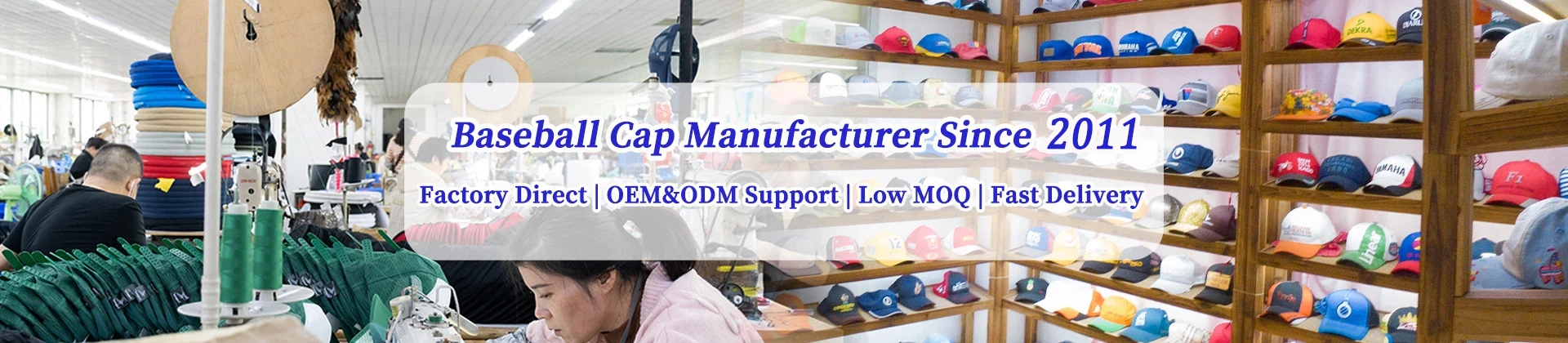

Baseball caps have come a long way from their origins on the sports field. Today, they are a key part of everyday fashion, worn by people of all ages and featured in collections from global fashion brands to independent streetwear labels. As consumer preferences continue to evolve, understanding the latest baseball cap trends 2026 can help both shoppers and businesses make smarter choices.
From sustainable materials and minimalist designs to premium customization and versatile colors, this year's trends reflect a growing demand for products that combine style, comfort, and quality. In this guide, we'll explore what's shaping the global baseball cap market and what these trends mean for consumers, retailers, and fashion brands.
Why Baseball Caps Continue to Lead Global Fashion
The baseball cap remains one of the most popular accessories because it is practical, versatile, and easy to style. Unlike many seasonal fashion items, a well-designed baseball cap can be worn throughout the year and paired with casual, athletic, or even smart-casual outfits.
Several factors continue to drive its popularity:
Comfortable fit for daily wear
Sun protection for outdoor activities
Easy coordination with different clothing styles
Wide range of materials and colors
Endless customization possibilities
As fashion becomes more focused on everyday functionality, baseball caps continue to meet the needs of modern consumers.
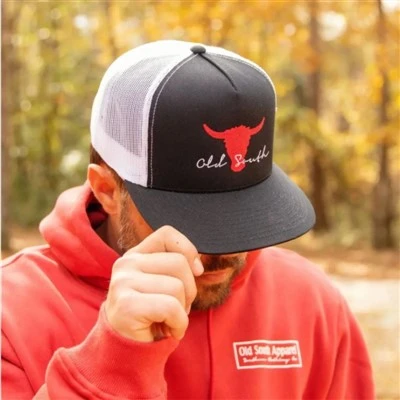
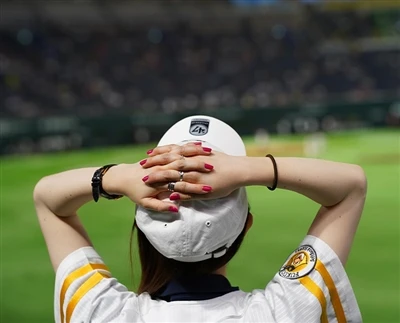
Trending Baseball Cap Styles in 2026
While classic designs remain popular, several styles are attracting increased attention in the global market.
Classic Curved-Brim Caps
The traditional curved-brim baseball cap remains a best-seller thanks to its timeless appeal. It works well for sports, travel, and everyday wear, making it a reliable choice for both consumers and brands.
Structured Baseball Caps
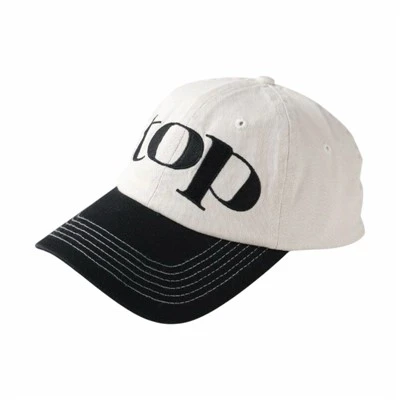
Structured caps feature reinforced front panels that help the crown maintain its shape. This clean, polished appearance is especially popular among premium fashion brands and corporate merchandise programs.
Vintage Washed Caps
Vintage-inspired baseball caps continue to grow in popularity. Soft fabrics and washed finishes create a relaxed look that appeals to consumers seeking casual, effortless style.
Minimalist Designs
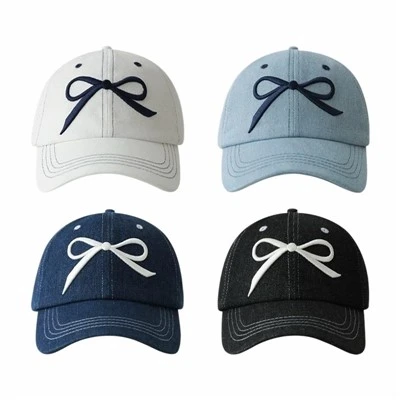
Many brands are moving away from oversized graphics and focusing on clean embroidery, subtle logos, and simple color palettes. Minimalist caps offer long-lasting appeal and are easier to pair with different outfits.
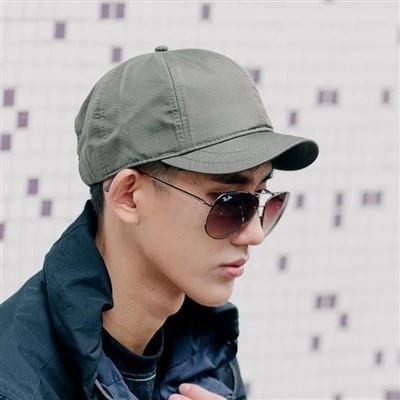

Color Trends Shaping the Market
Color plays an important role in purchasing decisions, and current trends reflect a balance between versatility and individuality.
Neutral Shades
Cream, black, white, gray, and navy remain among the most popular colors because they work well across seasons and fashion styles.
Earth Tones
Olive, khaki, sand, brown, and muted green continue to gain popularity, especially in outdoor and lifestyle collections.
Soft Pastels
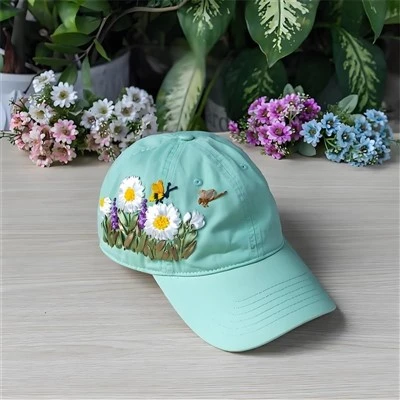
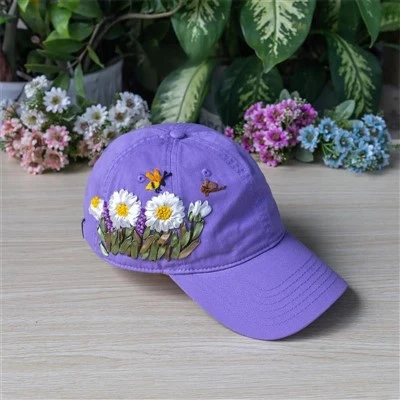
Light blue, sage green, dusty pink, and lavender add a fresh touch without overwhelming an outfit. These colors are particularly popular in spring and summer collections.
Accent Colors
While neutral tones dominate, brands also introduce limited-edition collections featuring vibrant colors to attract younger audiences and create seasonal excitement.

Sustainable Materials Are Becoming the Standard
Sustainability is no longer a niche trend. Many consumers now consider material choices when purchasing fashion accessories, including baseball caps.
Popular sustainable options include:
Organic cotton
Recycled polyester
Recycled cotton blends
Low-impact dyes
Eco-friendly packaging
These materials help brands respond to growing consumer interest in responsible manufacturing while maintaining product quality and durability.
For businesses, incorporating sustainable materials can strengthen brand positioning and appeal to environmentally conscious customers.
Customization Continues to Drive Demand
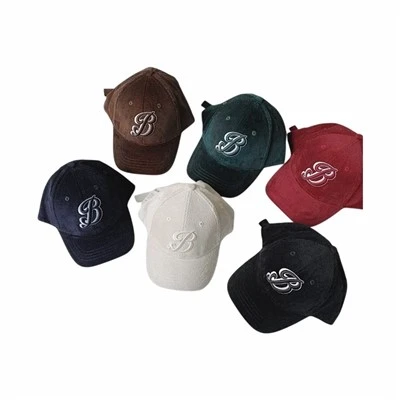
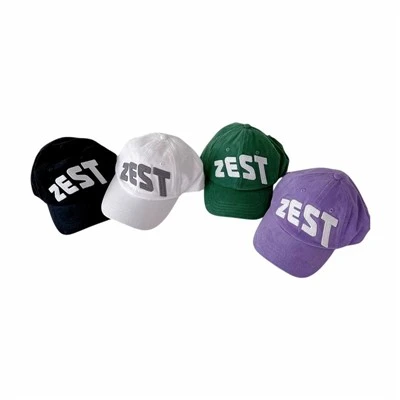
Personalization remains one of the strongest trends in the baseball cap industry. Consumers increasingly want products that reflect their identity, while brands seek unique ways to stand out in competitive markets.
Popular customization methods include:
Flat embroidery
3D puff embroidery
Woven patches
Leather patches
Rubber badges
Screen printing
Custom woven labels
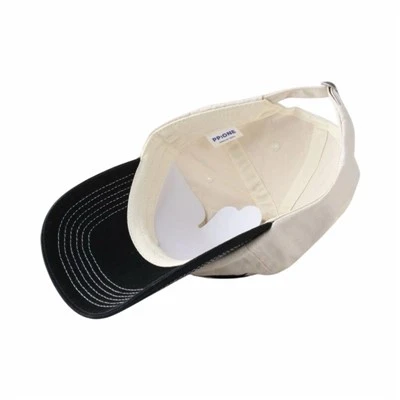
Interior branding tape
Private label packaging
Among these options, embroidery continues to be the preferred choice because it creates a premium appearance while maintaining excellent durability.
For fashion brands, custom baseball caps are an effective way to strengthen brand recognition and expand product collections.
Comfort and Performance Matter More Than Ever
Today's consumers expect more than good looks. They also value comfort, durability, and performance.
Manufacturers are responding by introducing features such as:
Moisture-wicking sweatbands
Lightweight construction
Breathable fabrics
Adjustable closures
Durable stitching
Improved shape retention
These practical improvements make baseball caps suitable for everyday commuting, sports, travel, and outdoor activities.
Products that combine functionality with attractive design are more likely to earn repeat purchases and positive customer reviews.

The Influence of Streetwear and Social Media
Fashion trends spread faster than ever through social media platforms, online creators, and lifestyle influencers. Baseball caps frequently appear in everyday outfits because they are easy to style and suitable for different occasions.
Popular outfit combinations include:
Hoodies and jeans
Oversized T-shirts
Cargo pants
Denim jackets
Sneakers
Athletic wear
Streetwear continues to influence color choices, logo placement, and silhouette preferences, while consumers increasingly appreciate designs that balance individuality with timeless appeal.
Rather than following short-lived trends, many successful brands focus on versatile products that remain fashionable across multiple seasons.
What These Trends Mean for Fashion Brands
For apparel companies and retailers, understanding market trends is essential when developing new collections.
Several strategies can help brands stay competitive:
Invest in timeless styles with modern details.
Offer neutral colors alongside seasonal highlights.
Use high-quality embroidery and premium materials.
Include sustainable options where possible.
Develop consistent private label branding.
Working with an experienced baseball cap manufacturer also makes it easier to maintain quality, shorten development time, and customize products according to market demand.
OEM and ODM manufacturing services allow brands to create exclusive collections while maintaining control over materials, colors, logos, and packaging.
How to Choose a Baseball Cap That Stays in Style
Not every trend lasts. When choosing a baseball cap, focus on qualities that remain relevant over time.
Look for:
Durable construction
Comfortable fit
Breathable materials
Neutral or versatile colors
Clean embroidery
Quality craftsmanship
These characteristics ensure that a cap remains wearable long after seasonal trends change.
Whether you are buying for personal use or sourcing products for your business, investing in quality always provides better long-term value.
Conclusion
The baseball cap trends 2026 reflect a clear shift toward products that combine timeless style with modern functionality. Consumers are looking for comfortable fits, premium materials, sustainable options, and understated designs that work across different occasions. At the same time, customization continues to play a major role, allowing brands to create distinctive products that connect with their target audiences.
For fashion brands, retailers, and promotional companies, these trends highlight the importance of balancing innovation with practicality. Neutral colors, high-quality embroidery, durable fabrics, and responsible manufacturing are no longer optional-they are becoming key factors in purchasing decisions.
By staying informed about global market preferences and partnering with a reliable OEM or private label manufacturer, businesses can develop baseball cap collections that remain relevant, attractive, and competitive in an evolving marketplace.